


Knowledge
How Long Do Running Shoes Last?

What is the Difference Between HALS and DLS?
Learn the key differences between HALS and DLS technologies in 3D printing, including curing methods, material performance, applications, and advantages of each process.
Why 4D-Printed Shoes Have One More “D” Than 3D
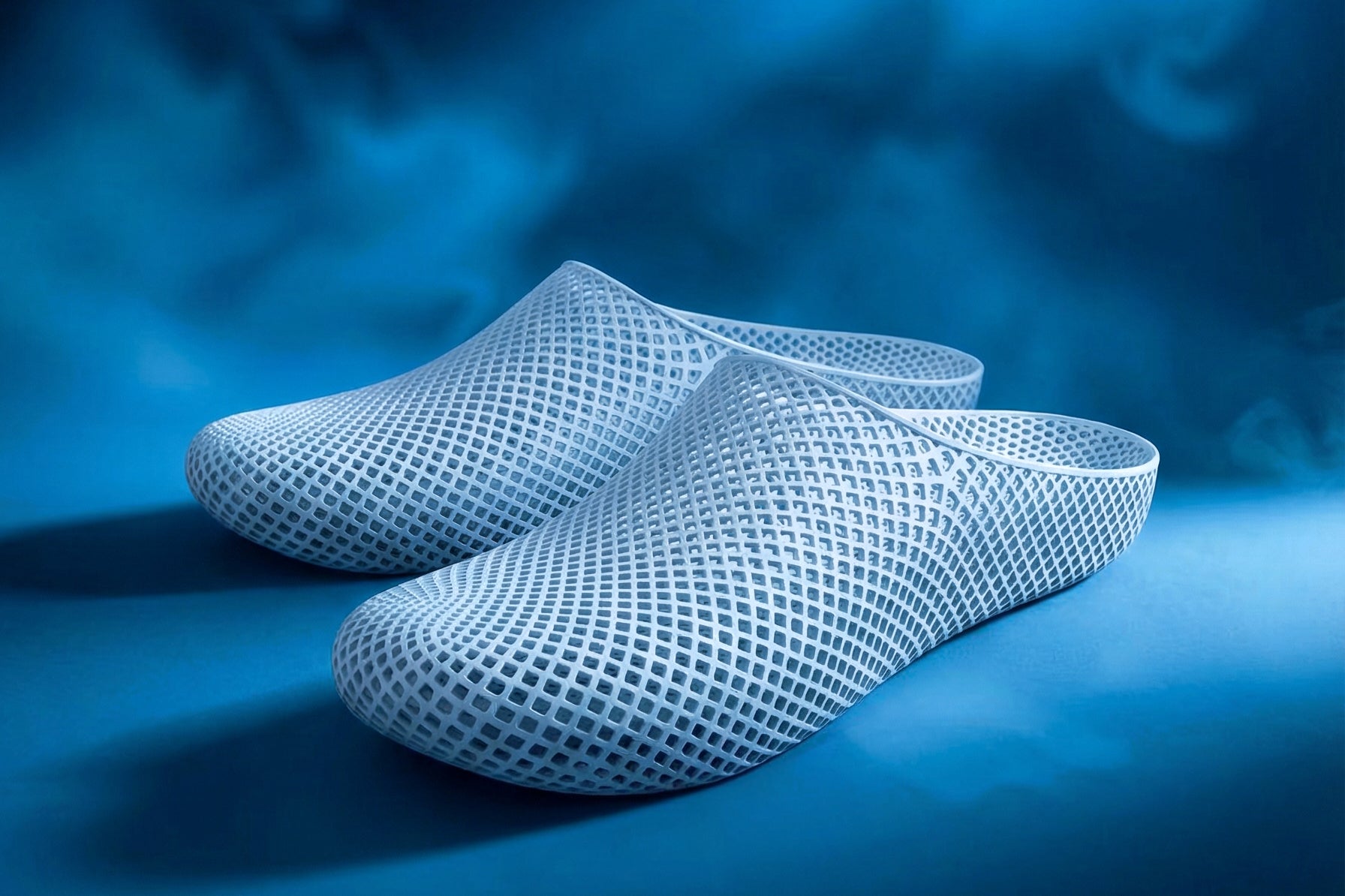
Why “4D” means Data in footwear: how athlete biomechanics generate lattice midsoles (DLS/CLIP), how 4D differs from 3D printing, and how ARKKY’s AI-driven HALS enables fast, breathable, recyclable 3D shoes.
Buyers Guides

Don’t Be Fooled by the "High-Tech" Label: Real 3D Printed Shoes Explained
Top Breathable Sneakers of 2026
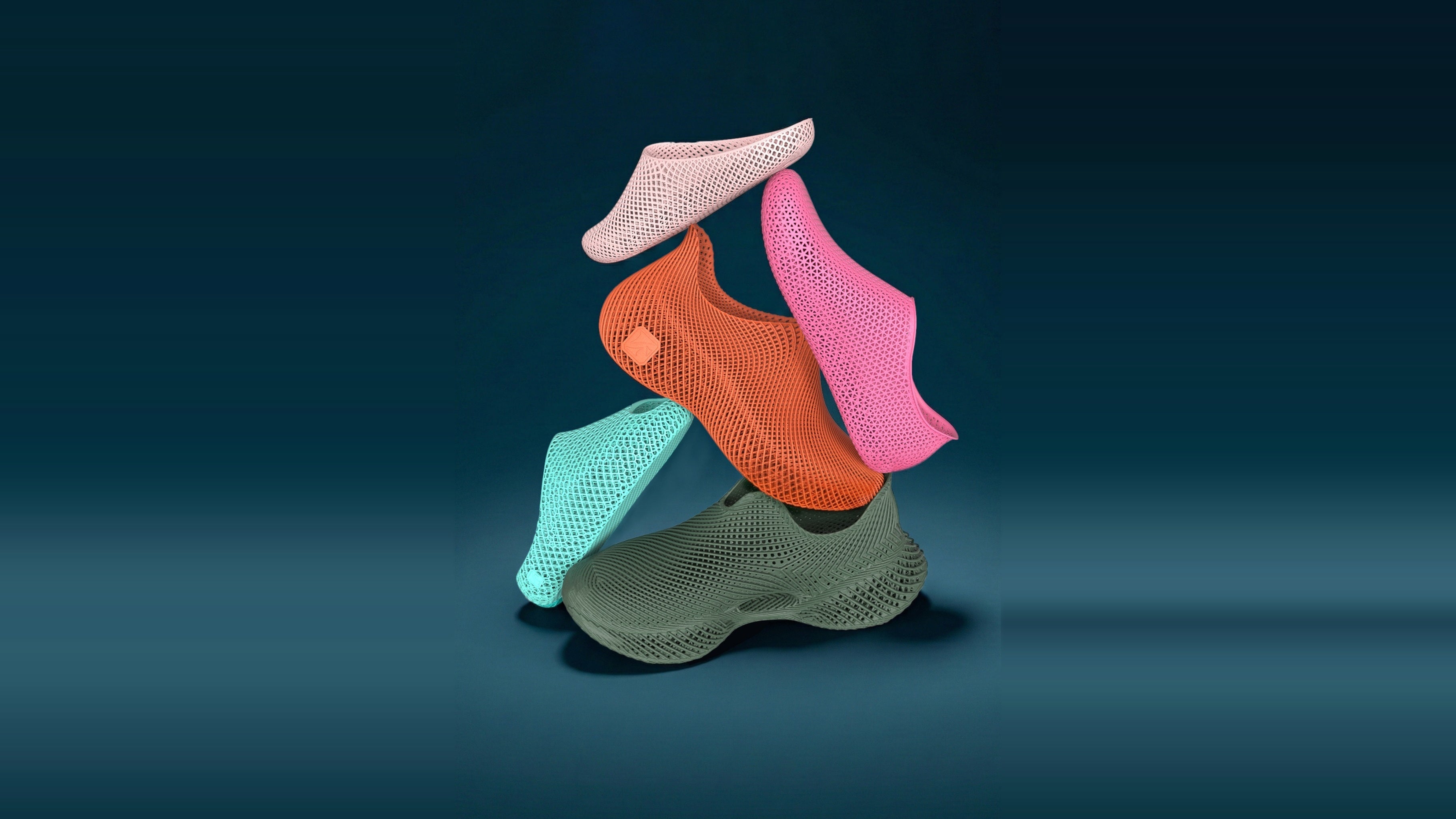
We chose this shoe for its open-knit upper, lightweight feel, and strong everyday comfort, though it may not offer enough support for long-distance running.
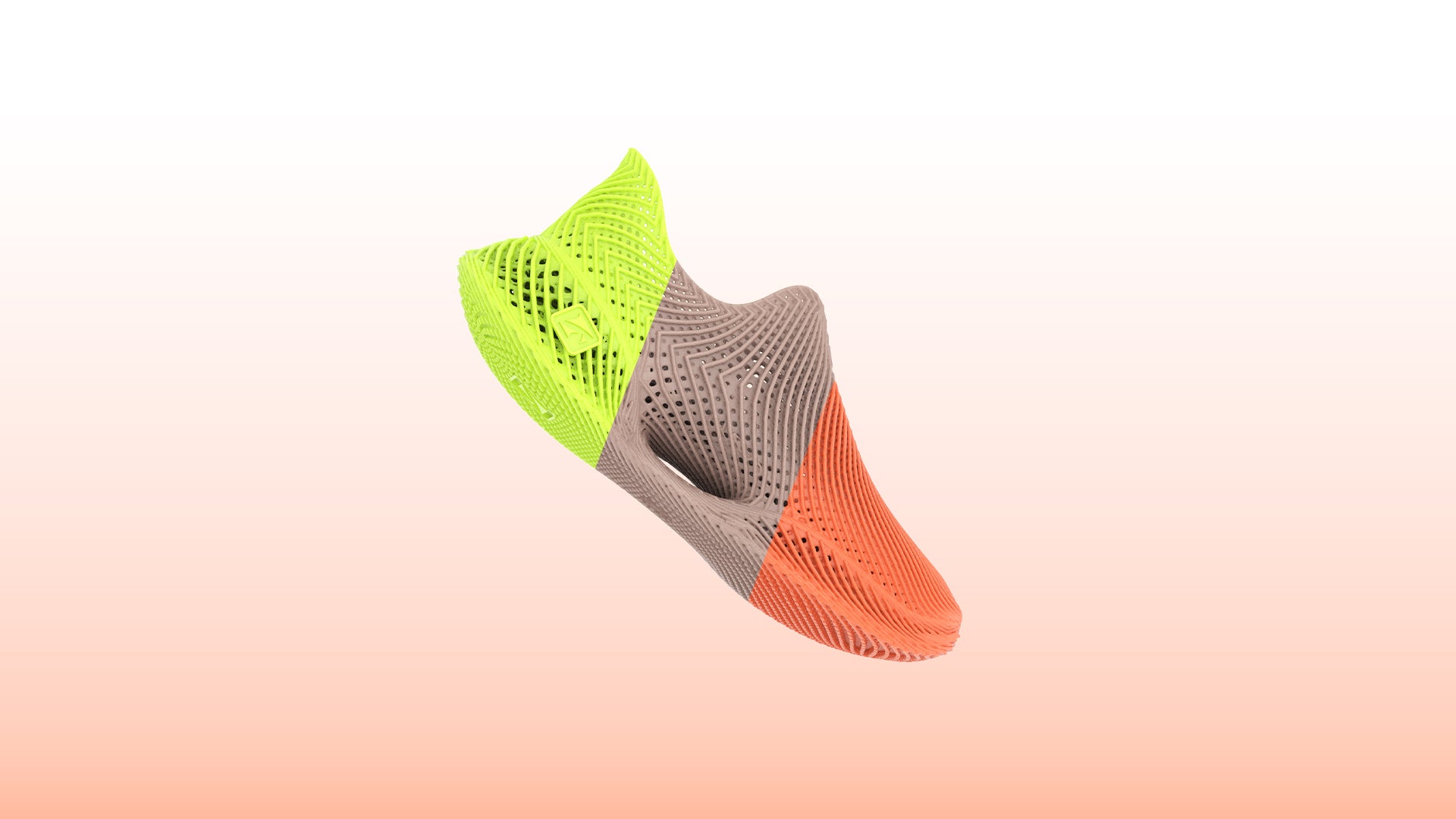
Best Breathable Shoes for Sweaty Feet: Why 3D Printed Sneakers Actually Work
Lifestyle
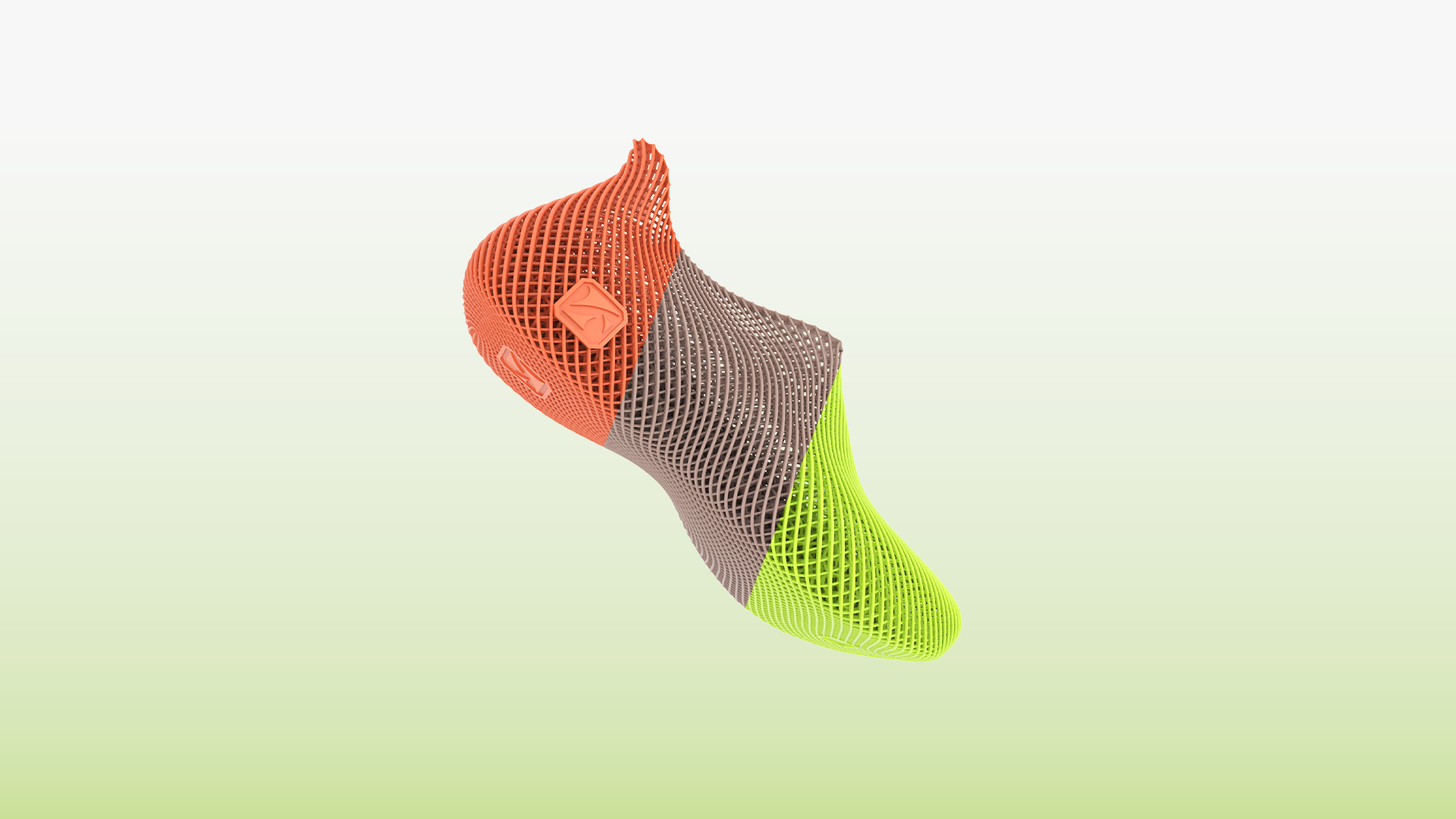
3D-Printed Shoes: The Best Choice for Casual Sneakers Worn Without Socks
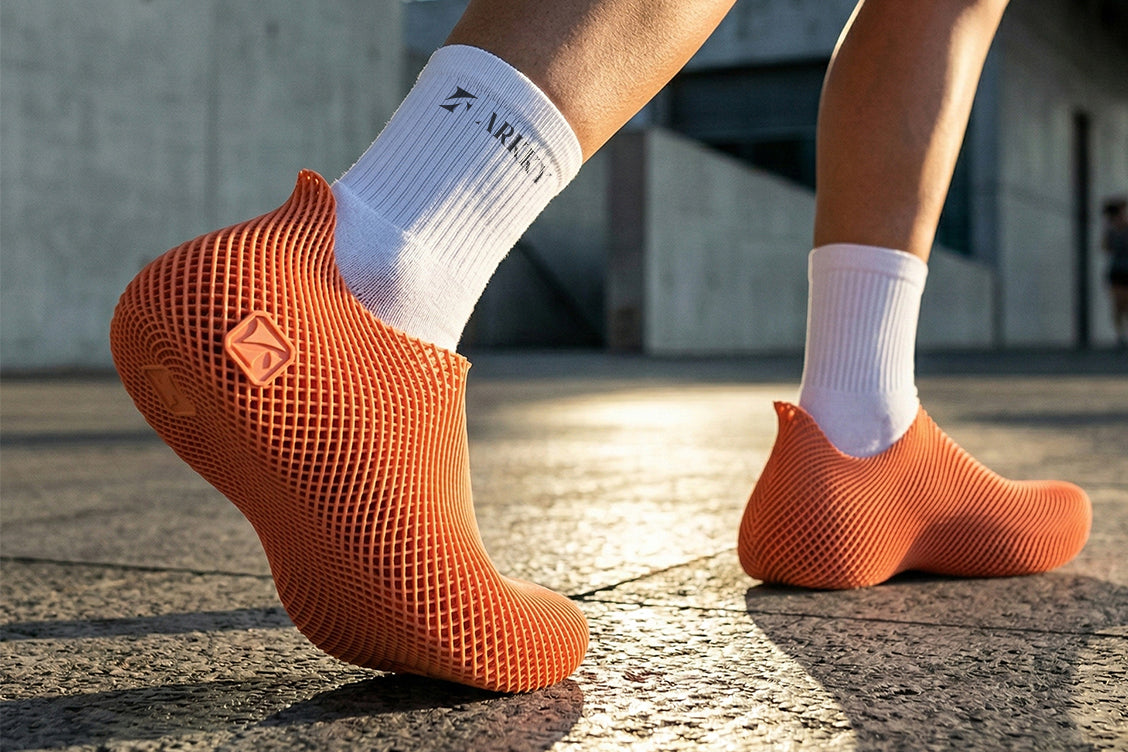
Is 3D Printed Shoes Worth Buying?
3D printed shoes have truly moved from a laboratory concept to a mainstream consumer product. The mainstream TPU lattice midsoles can maintain more than 85% of their elasticity for 2–3 years, far exceeding the performance of traditional EVA midsoles, which often collapse within about six months. The open lattice structure also provides exceptional breathability, keeping your feet cool even in summer. Based on these advantages, it is safe to say that 3D printed shoes are worth the investment.

Streetwear Meets Tech: Styling 3D Printed Shoes