


Knowledge

A deep dive into HALS (Hindered Asynchronous Light Synthesis) 3D printing technology. From AIHALS principles to a library of 5000+ materials, compare it with SLA, DLP, and CLIP. Discover how ARKKY leverages this technology combined with AI for footwear mass production in this ultimate technical guide.
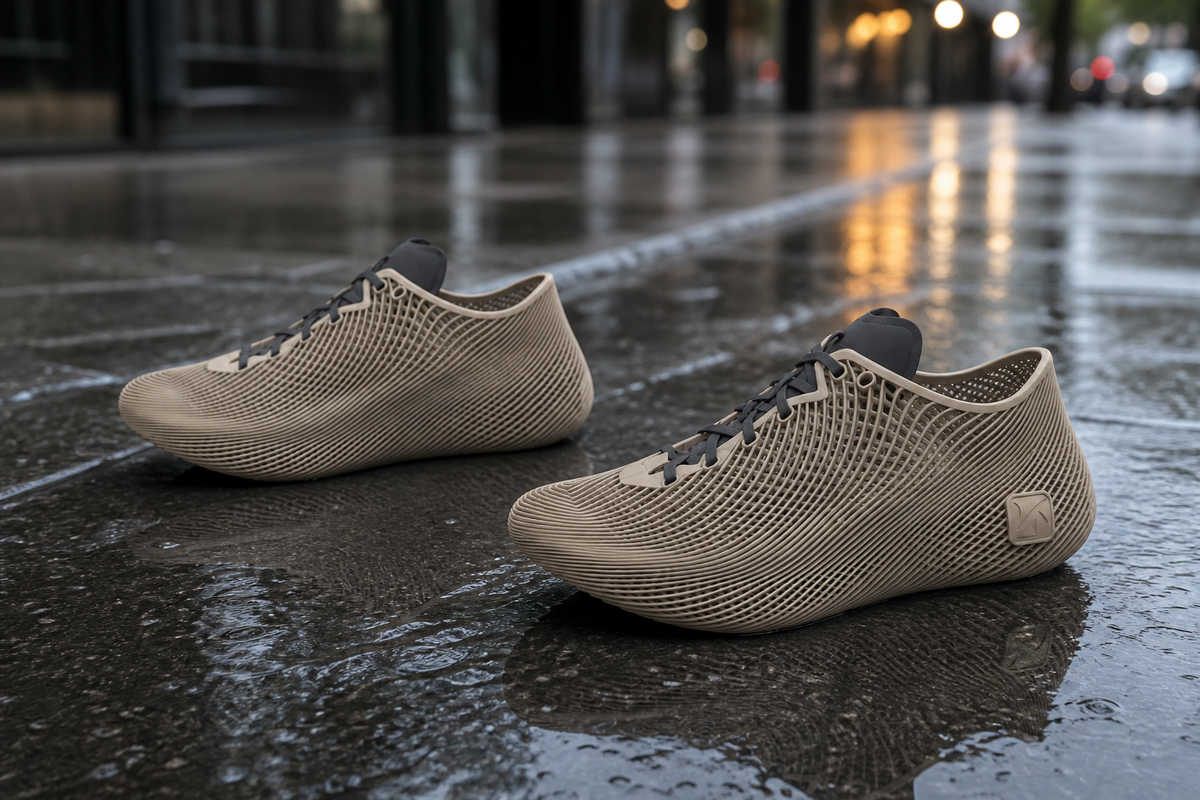
Quick-Dry Shoes: Why Lattice Soles Beat Foam and Mesh
Read moreabout Quick-Dry Shoes: Why Lattice Soles Beat Foam and Mesh

Youth Development: Should Kids Wear 3D Shoes?
Read moreabout Youth Development: Should Kids Wear 3D Shoes?
Buyers Guides

For Anyone Meeting 3D Printed Shoes for the First Time
Read moreabout For Anyone Meeting 3D Printed Shoes for the First Time
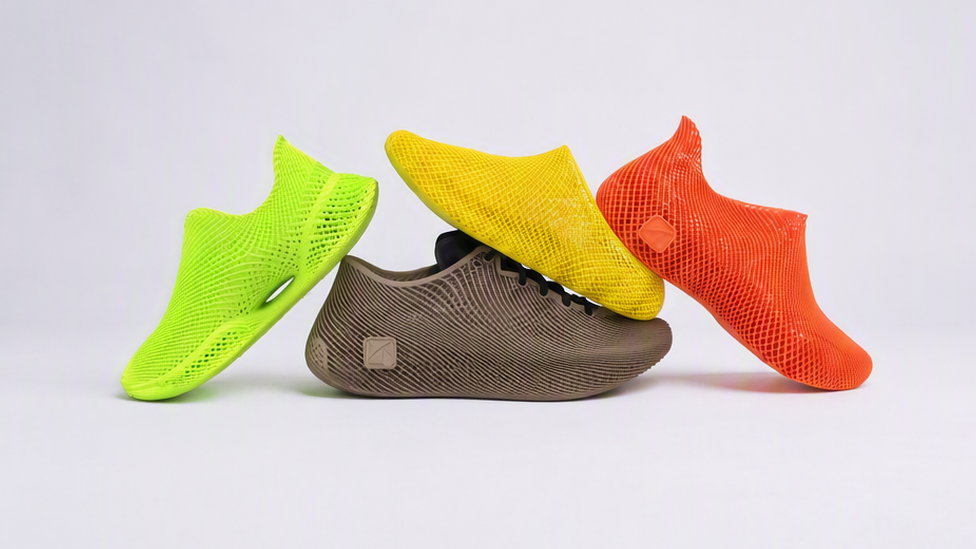
Comparing ARKKY Colors: Which Fits Your Style?
Read moreabout Comparing ARKKY Colors: Which Fits Your Style?

Why You Should Switch from Traditional Sneakers Today
Less waste, zone-tunable structure, and shoes that outlast foam — four evidence-based reasons to switch to 3D-printed shoes, plus an honest guide to switching without regret.
Read moreabout Why You Should Switch from Traditional Sneakers Today
Lifestyle
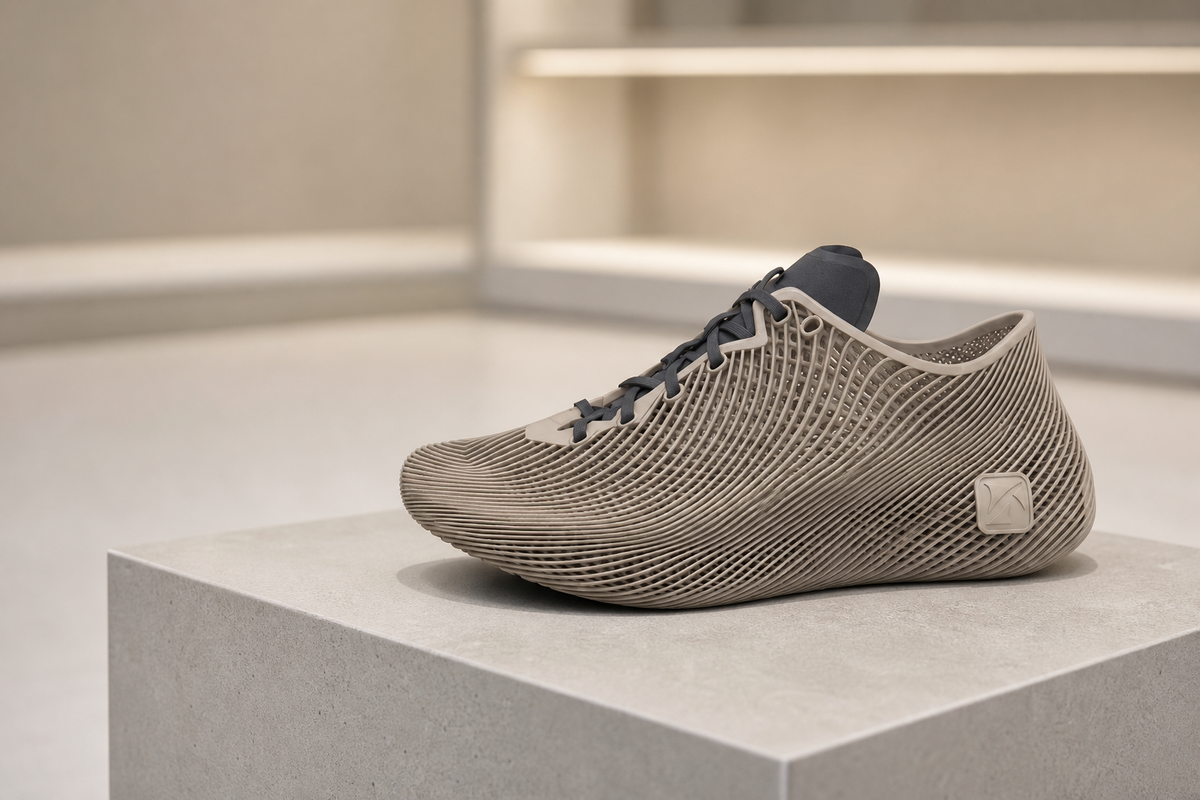
Why Mass-Market Fashion Is Starting to Take 3D-Printed Shoes Seriously
Read moreabout Why Mass-Market Fashion Is Starting to Take 3D-Printed Shoes Seriously

Travel Light: Why ARKKY 3D Shoes is the Ultimate Travel Companion
Read moreabout Travel Light: Why ARKKY 3D Shoes is the Ultimate Travel Companion

The Modern Nomad: Gear for Digital Life