

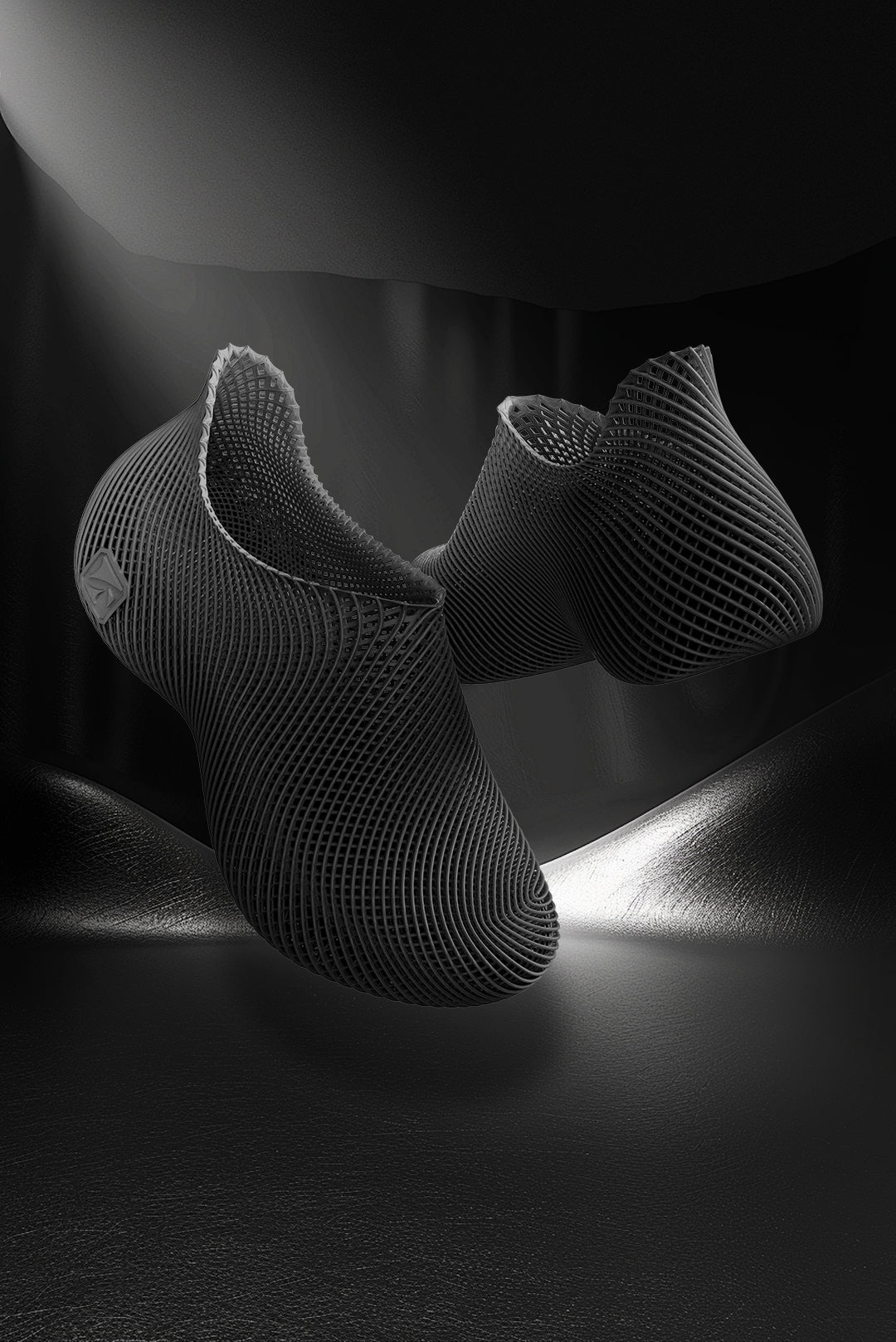
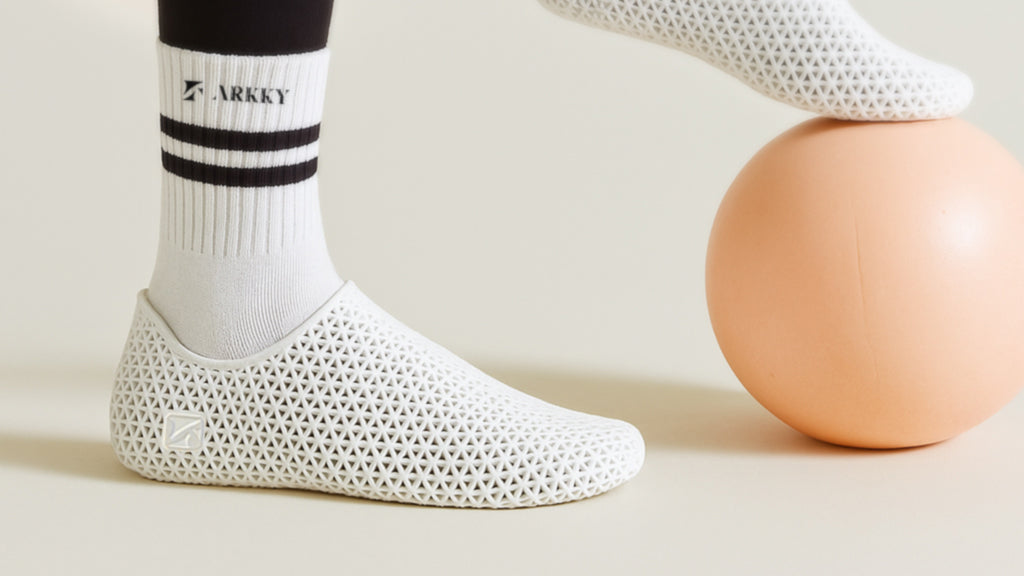
Have you ever stopped to think about how the shoes we wear every day are quietly shaping our posture and the way we walk? In recent years, the “barefoot” and “minimalist” movement has spread from professional running circles into everyday fashion—and zero drop sandals have become one of the flagship items of this trend, representing a true return to the natural state of our feet. This post is your complete beginner’s guide to the world of zero-drop sandals. We’ll cover the basic definition, the biomechanics behind it, how to choose and transition properly, and use the Cozlite 105—a standout 3D printed sandal made with ARKKY’s latest AIHALS technology—as a real-world example to help you understand all the key concepts in one go.
What Does “Zero Drop” Actually Mean?
First, let’s nail down the core term. “Zero Drop” (sometimes called zero heel-to-toe drop) means the heel and the forefoot of the shoe are at exactly the same height—there is literally no elevation or ramp angle.
- Traditional shoes: Most sneakers, dress shoes, and even many “flat” casual shoes have a heel that sits 8–12 mm (or more) higher than the forefoot. This built-in elevation is called the heel-to-toe drop, and it subtly acts like a tiny high heel, lifting your heel off the ground.
- Zero-drop shoes: The sole is completely level—0 mm drop. The whole idea is to mimic the way human feet work when barefoot, allowing your foot to land and move in the most natural, balanced way possible.
Picture standing barefoot on a beach: your heel and toes are on the exact same plane. That’s the pure sensation zero-drop footwear aims to recreate.
Why Choose Zero-Drop Sandals? The Four Big Benefits for Your Body
Letting your feet return to their natural state isn’t just a trend—it’s a meaningful investment in your long-term health. Biomechanical research shows zero-drop designs deliver several profound benefits:
Promotes natural posture and improves overall alignment Traditional elevated heels shift your center of gravity forward. To compensate, the body unconsciously tilts the pelvis, increases lumbar curve, and can lead to lower-back discomfort over time. Zero-drop footwear puts the heel back on the ground, helping the entire body realign into a neutral, upright posture from the feet up.
Strengthens foot and lower-leg muscles Zero-drop sandals encourage a more natural gait—often mid-foot or forefoot landing instead of heavy heel striking. This shift wakes up and strengthens the foot and calf muscles that get “lazy” in cushioned, heeled shoes, improving natural arch support, ankle stability, and balance.
Optimizes gait and boosts movement efficiency Studies show that zero-drop or minimalist footwear reduces ground contact time and brings running/walking mechanics closer to barefoot patterns. The result? Lighter, more efficient steps with less wasted energy.
Gives your toes room to breathe High-quality zero-drop sandals almost always feature a wide toe box. This lets your toes splay naturally instead of being crammed together, improving grip, balance, and the overall barefoot-like experience.
Case Study: How the Cozlite 105 Redefines Modern Zero-Drop Sandals
|
Cozlite 105 Feature |
How It Embodies & Elevates Zero-Drop Principles |
|
True Zero-Drop Sole |
★ Core Principle: Strictly 0 mm heel-to-toe drop, providing the foundational platform for natural posture. |
|
Parametric Lattice Midsole |
★ Dynamic Support: This isn’t just zero-drop—it’s *smart* zero-drop. An AI-designed lattice structure delivers zoned cushioning and support on a perfectly flat base. Different lattice densities in the heel, arch, and forefoot areas provide adaptive, responsive support without sacrificing the level sole, solving the common complaint that “flat shoes lack support.” |
|
Wide Toe Box |
★ Natural Splay: Fully respects the wide-toe-box standard of zero-drop footwear, letting toes spread naturally for better grip and balance—further mimicking barefoot mechanics. |
|
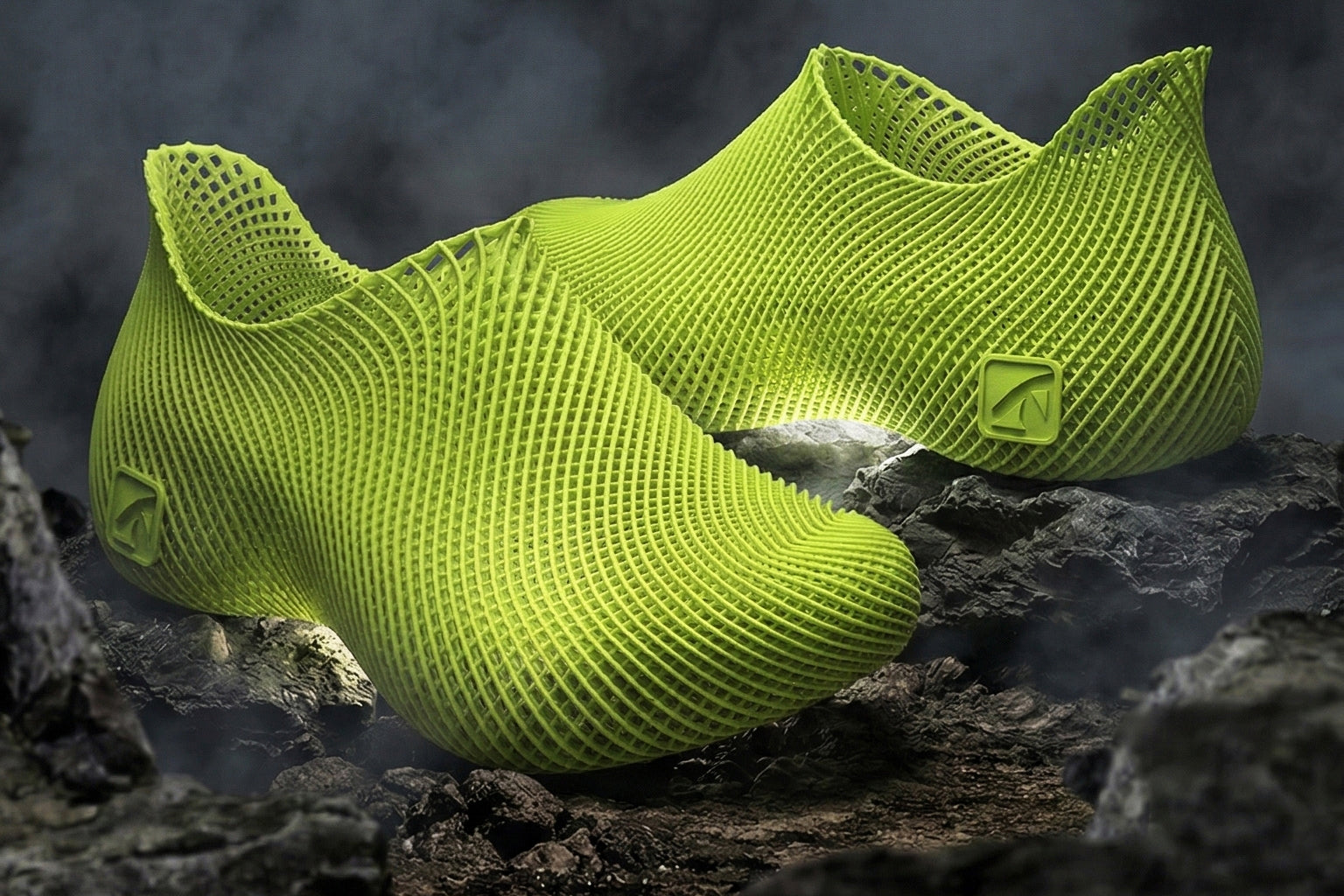
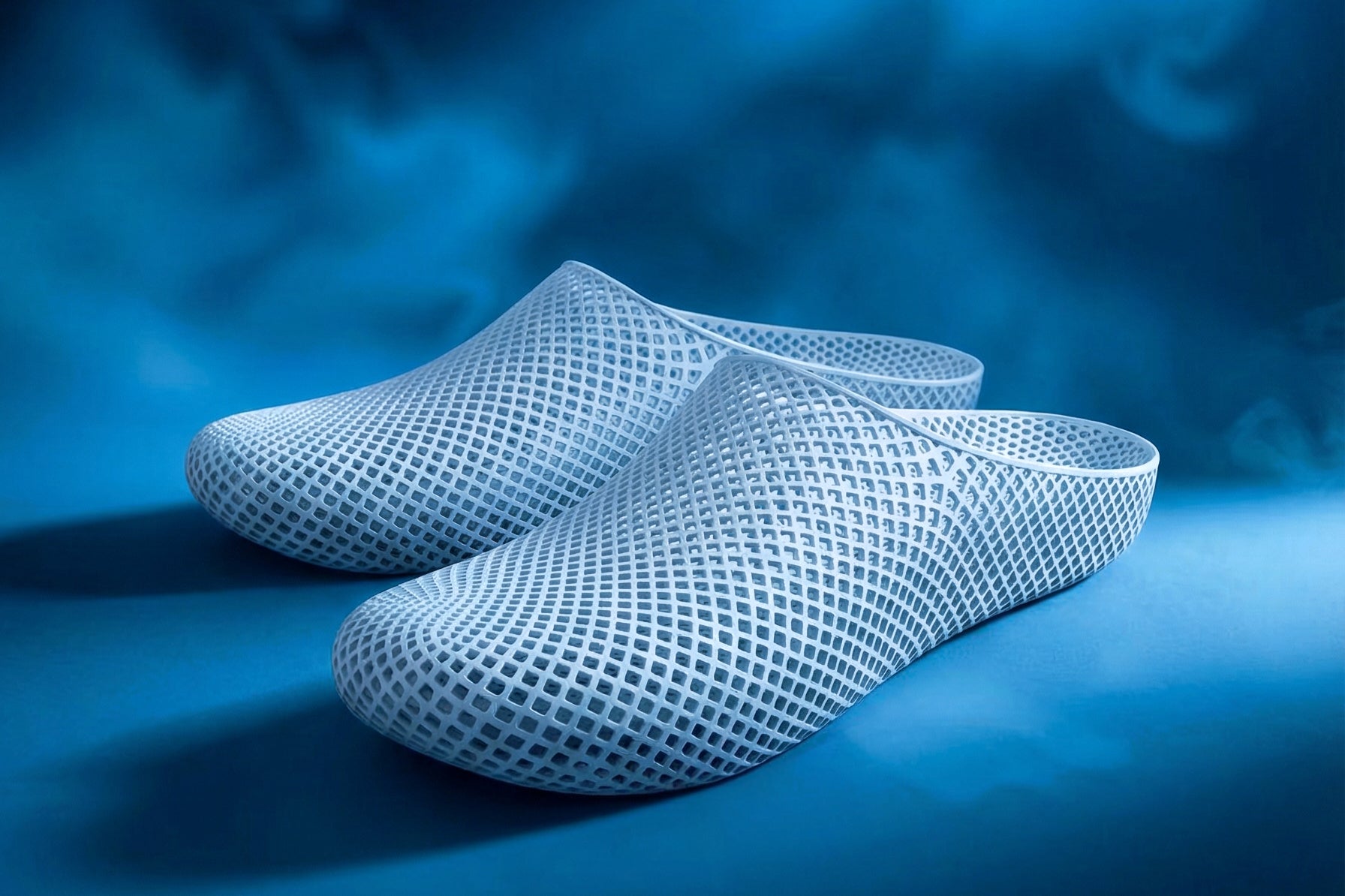
One-Piece 3D-Printed Body |
★ Structural Integrity: Printed as a single piece from one material—no glue, no seams. This guarantees the sole stays perfectly flat over time and preserves true zero-drop performance for the lifetime of the sandal. |
The Cozlite 105 is a perfect example. It’s not just a zero-drop sandal—it uses cutting-edge 3D printing to take the concept from “flat sole” to “dynamic biomechanical support.” With the ARKKY Cozlite 105, we see that modern zero-drop sandals have moved far beyond simply being flat. Thanks to AI design and high-speed 3D printing, they now deliver real cushioning and structural support while still encouraging a natural gait—striking the ideal balance between protection and barefoot freedom.
How to Start Your Zero-Drop Journey: A Transition Guide
Switching from conventional shoes to zero-drop sandals requires a gradual transition—your foot and leg muscles need time to relearn how to work properly. Here are the key tips:
- Take it slow: Start by wearing them for just 1–2 hours a day, then slowly increase. Don’t jump straight into long walks or runs.
- Listen to your body: Mild soreness in the feet or calves during the first weeks is normal—it means those muscles are waking up. Sharp pain, however, is a signal to rest and slow down.
- Strengthen your feet: Simple exercises like towel scrunches with your toes or barefoot walking on grass/sand will speed up adaptation.
Conclusion
Zero-drop sandals are more than a footwear choice—they’re a lifestyle shift that reconnects us with our bodies and encourages a healthier, more natural way of moving. By freeing our feet from artificial heel elevation, they help improve posture, strengthen muscles, and ultimately enhance quality of life. Modern examples like the Cozlite 105 take it even further, using AI design and 3D printing to deliver barefoot-like freedom plus the support and comfort required for daily life. If you’re looking for shoes that let your feet breathe and bring your body back into balance, zero-drop sandals are absolutely worth exploring.
References
Rutsubarefoot. (n.d.). Why zero drop sandals are the secret to better posture and foot health. Retrieved from https://rutsubarefoot.com/blogs/news/why-zero-drop-sandals-are-the-secret-to-better-posture-and-foot-health Reddit. (n.d.). What’s the difference between zero drop shoe and barefoot running? Retrieved from https://www.reddit.com/r/BarefootRunning/comments/1lmhkdw/whats_the_difference_between_zero_drop_shoe_and/ Ideafit. (n.d.). Understanding zero drop, minimalist and barefoot shoes. Retrieved from https://www.ideafit.com/understanding-zero-drop-minimalist-and-barefoot-shoes/ Healthy Feet Alliance. (n.d.). What is zero drop and why is it important?. Retrieved from https://www.healthyfeetalliance.org/blog/what-is-zero-drop-and-why-is-it-important Nunorm Shoes. (n.d.). The future of sustainable footwear: A look at Nunorm shoes. Retrieved from https://nunormshoes.com/blogs/news/the-future-of-sustainable-footwear-a-look-at-nunorm-shoes Frontiers in Bioengineering and Biotechnology. (2025). Foot biomechanics in zero-drop footwear adaptation. Retrieved from https://www.frontiersin.org/journals/bioengineering-and-biotechnology/articles/10.3389/fbioe.2025.1462159/full Bearefoot. (n.d.). Zero drop shoes benefits. Retrieved from https://bearefoot.com/blogs/news/zero-drop-shoes-benefits NIH. (2015). Foot strike patterns and running biomechanics in minimal footwear. Retrieved from https://pmc.ncbi.nlm.nih.gov/articles/PMC4482302/ Astral Designs. (n.d.). Zero drop sandals collection. Retrieved from https://astraldesigns.com/collections/zero-drop-sandals Bokyna. (n.d.). Touch barefoot collection. Retrieved from https://www.bokyna.com/collections/touch

Share:
History of 3D Printed Shoes: From Concept to Mainstream
3D-Printed Footwear: A Revolution Underfoot — From “Picking a Size” to “Made Just for You”