

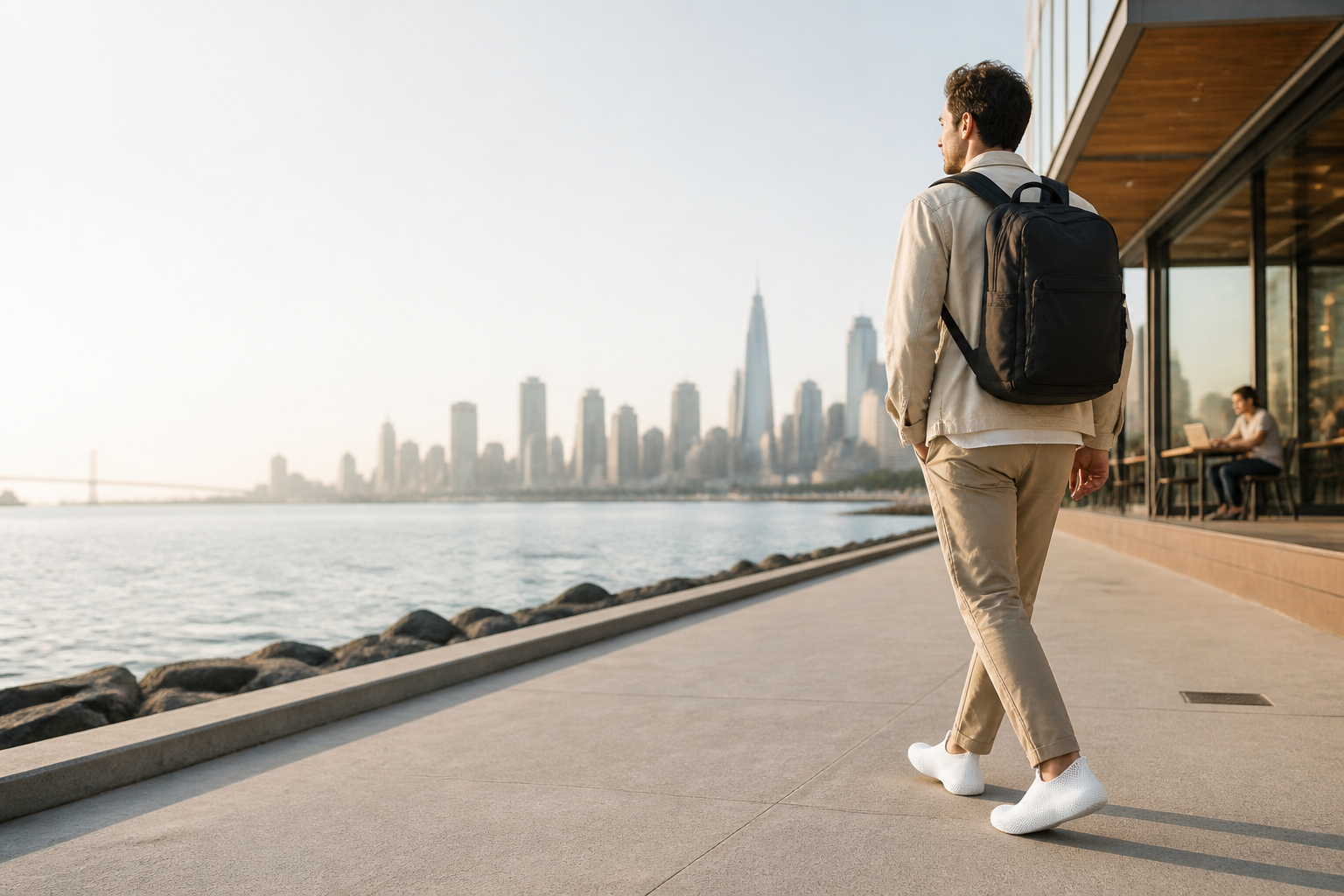
The modern nomad does not necessarily move from country to country every week. Sometimes nomad life means working from a different neighborhood, changing cities between projects, or building a routine that can move from a coworking desk to a train station, a café, and an evening walk without a complete wardrobe change.
That lifestyle changes the way we think about travel gear. A laptop, charger, headphones, and power bank are only useful when they remain easy to carry. Clothing needs to work across climates and settings. Shoes have to do more than look good in a departure photo: they need to move through airports, sidewalks, hotel rooms, shared workspaces, warm streets, and the unplanned detours that make travel memorable.
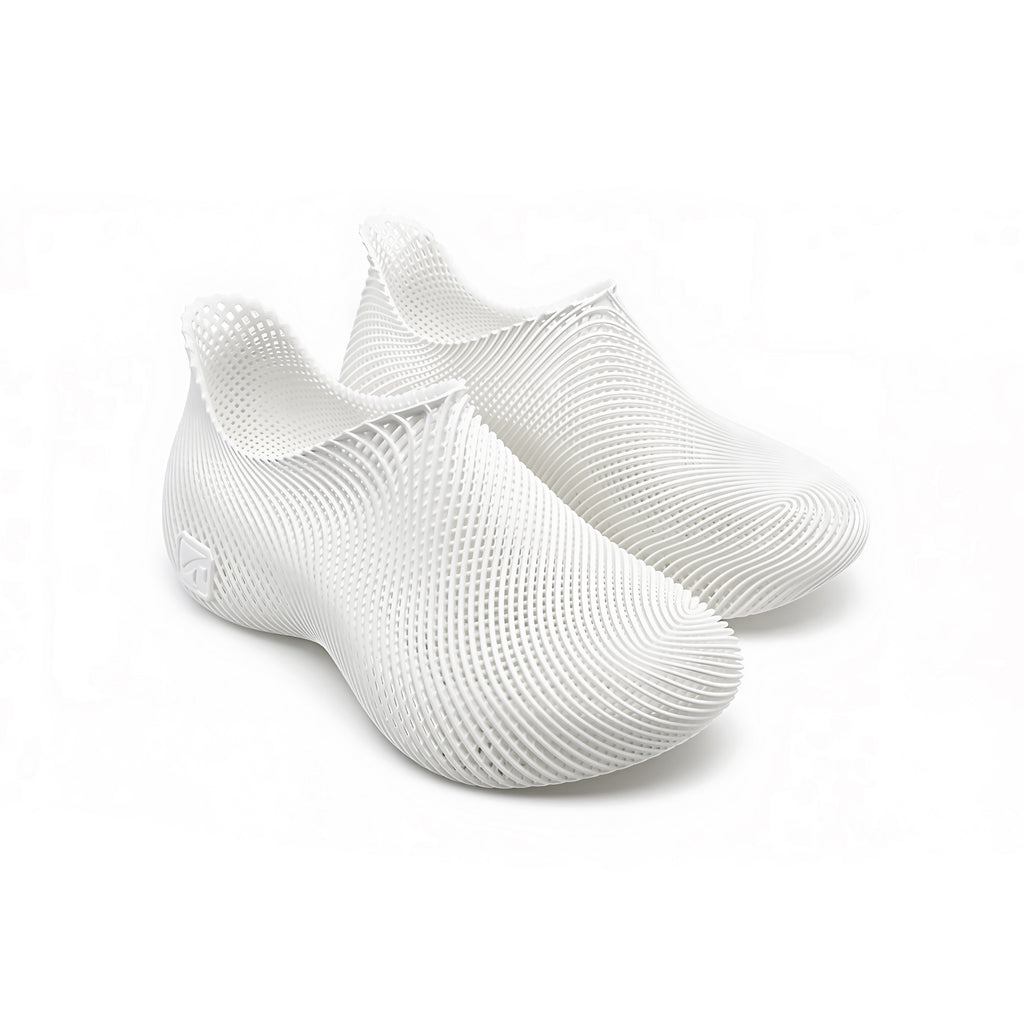
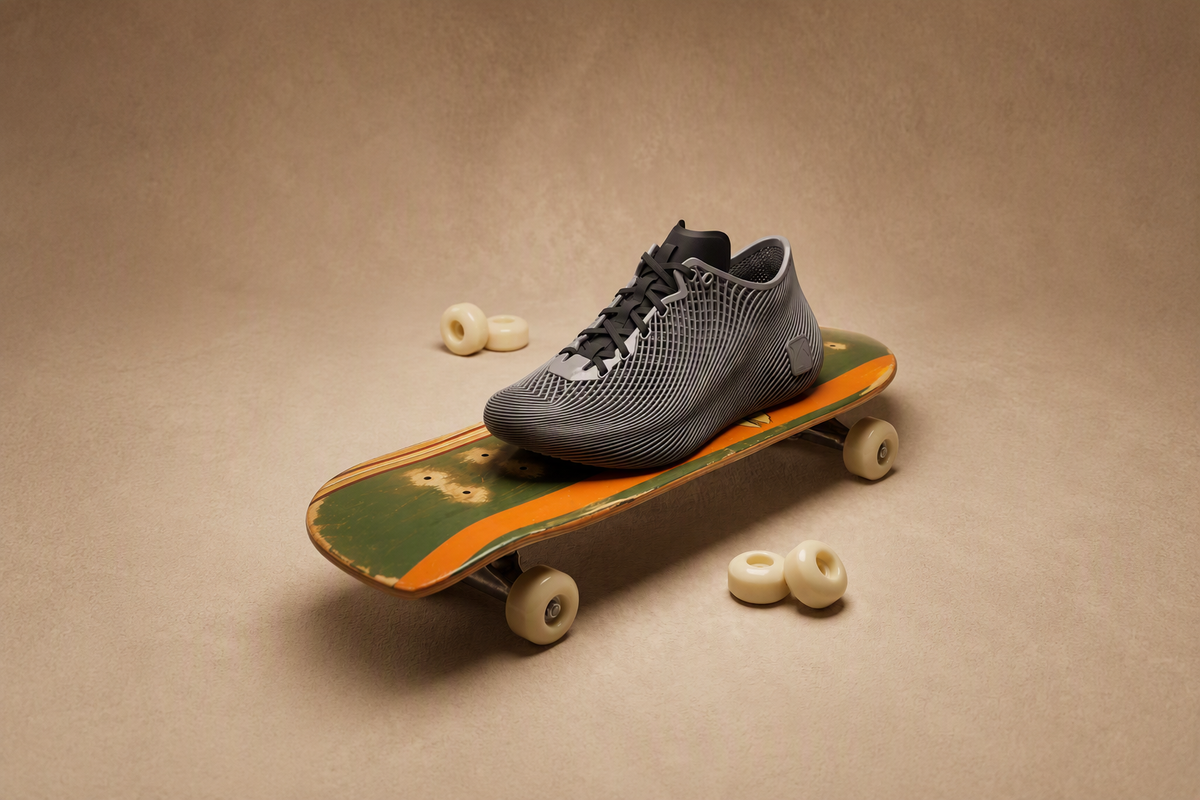
For digital nomads, footwear is often the most difficult part of a light packing system. Shoes are bulky, difficult to compress, and highly specific to the activity they are designed for. A 3D printed shoe introduces another possibility: instead of treating footwear as a collection of stitched and glued parts, it uses digital design, lattice structures, and printed forms to create a different relationship between comfort, airflow, structure, and style.
This guide explains why 3D printed shoes can be a useful part of a nomad wardrobe, how to pair them with a practical travel tech kit, and how different ARKKY models fit different parts of a mobile routine. The examples include AeroDash, AeroLace, AeroBB, CozLite 90, and CozLite 101. Product specifications and use cases are based on the ARKKY pages reviewed for this article and should be checked again before purchase.
A note on product claims: ARKKY product pages describe materials, lattice construction, breathability, rebound, and intended scenarios. Those statements are brand-provided product information, not independent laboratory testing. Water-friendly, quick-dry, wading, and waterproof should not be treated as interchangeable terms.
What digital nomad gear should actually do
A useful nomad kit is not a collection of objects that happen to be small. It is a system in which each item solves more than one ordinary problem without becoming difficult to maintain.
A practical travel tech gear setup might include:
- a laptop or tablet that supports the work you actually do;
- one compact charger and the cables you genuinely use;
- a power bank for transit days and unfamiliar workspaces;
- noise-canceling headphones or earbuds for focus and calls;
- a universal adapter when crossing power standards;
- a small backup drive or reliable cloud backup routine;
- a phone with a dependable data plan or travel connectivity option;
- a compact stand, keyboard, or mouse only if it meaningfully improves your work.
Packing lists from travel specialists such as Pack Hacker’s digital nomad guide generally organize gear around mobility, work continuity, and reducing unnecessary bulk. The same logic applies to footwear: the best digital nomad shoes are not the shoes with the longest feature list. They are the shoes that fit the places you actually go.
A sneaker might cover airport transit, city walking, commuting, casual meetings, and light movement. A slipper might cover a hotel room, a warm-weather balcony, a poolside walk, and post-work recovery. That does not mean one pair should replace every technical shoe. It means a deliberate rotation can keep a small bag useful.
Why 3D printed shoes fit a mobile lifestyle
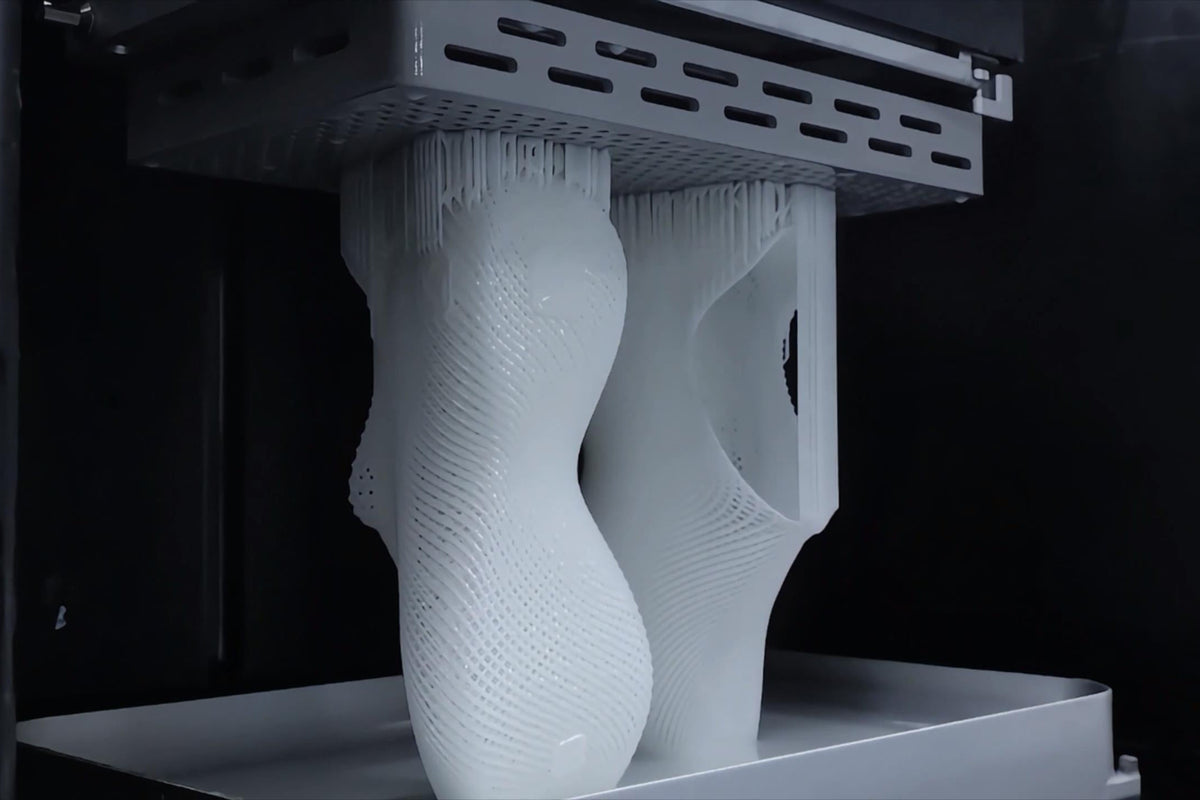
3D printed footwear is made through additive manufacturing. Instead of relying only on traditional cutting, stitching, molding, and assembly, the design begins as a digital form that is translated into a physical structure.
In ARKKY’s product range, the visible result is often a lattice. A lattice is an open network of structural elements rather than a completely solid block. In a shoe, that geometry can contribute to a distinctive appearance and may allow air to move through open areas of the design. It can also change how the material deforms under load and how the shoe feels during everyday movement.
The advantages for a nomadic wardrobe are practical rather than futuristic:
- Visual flexibility: A technical shoe can work with casual travel clothing, city outfits, and modern workwear.
- Airflow-focused design: Open structures may feel more suitable for warm destinations and extended urban walking.
- One-piece design language: A printed form can reduce the visual complexity of conventional panels and seams.
- Easy category planning: A full sneaker, a lace-up sneaker, and an open slipper can each serve a clear part of a travel routine.
- Conversation value: Unusual footwear can become a natural way to meet people in coworking spaces, cafés, and creative communities.
The important limitation is that 3D printed does not automatically mean lightweight, waterproof, indestructible, or suitable for every activity. Fit, surface, weather, walking intensity, and care still determine whether a model belongs in your bag.
The footwear rotation of a modern nomad
A compact travel wardrobe usually works better when each pair has a role. The following rotation uses ARKKY models as examples rather than presenting one universal packing formula.
| Travel role | ARKKY example | Why it may fit the role | Check before buying |
|---|---|---|---|
| Daily city sneaker | AeroDash | The product page lists walking, city strolls, commuting, jogging, easy running, beach walking, wading, and gym scenarios | Fit, weather limits, care, and whether the cushioning suits your foot |
| More adjustable everyday sneaker | AeroLace | Precision lace-up system, more adjustable hold, and a locked-in fit described for movement and direction changes | Lace pressure, foot shape, socks, and intended route |
| Statement street sneaker | AeroBB | Full-shoe lattice construction and a bold street-style silhouette for urban walks, casual outings, and social settings | Structured sole feel, styling, surface wear, and comfort for longer days |
| Open warm-weather or recovery slipper | CozLite 90 | Open flip-flop silhouette, lattice structure, and scenarios including beachside walks, poolside relaxation, and post-workout recovery | Open-footwear stability, walking distance, and local weather |
| Minimalist travel slipper | CozLite 101 | Thin-soled minimalist design for simple, relaxed everyday wear and easy travel styling | Whether the thin sole gives you enough support for your use |
This rotation is not a claim that every nomad needs five pairs. It is a way to think about function. If you are traveling with one pair, prioritize the route you will walk most often. If you are traveling with two, a versatile sneaker plus an open recovery or warm-weather option may cover more situations without duplicating the same role.
AeroDash for the everyday city route
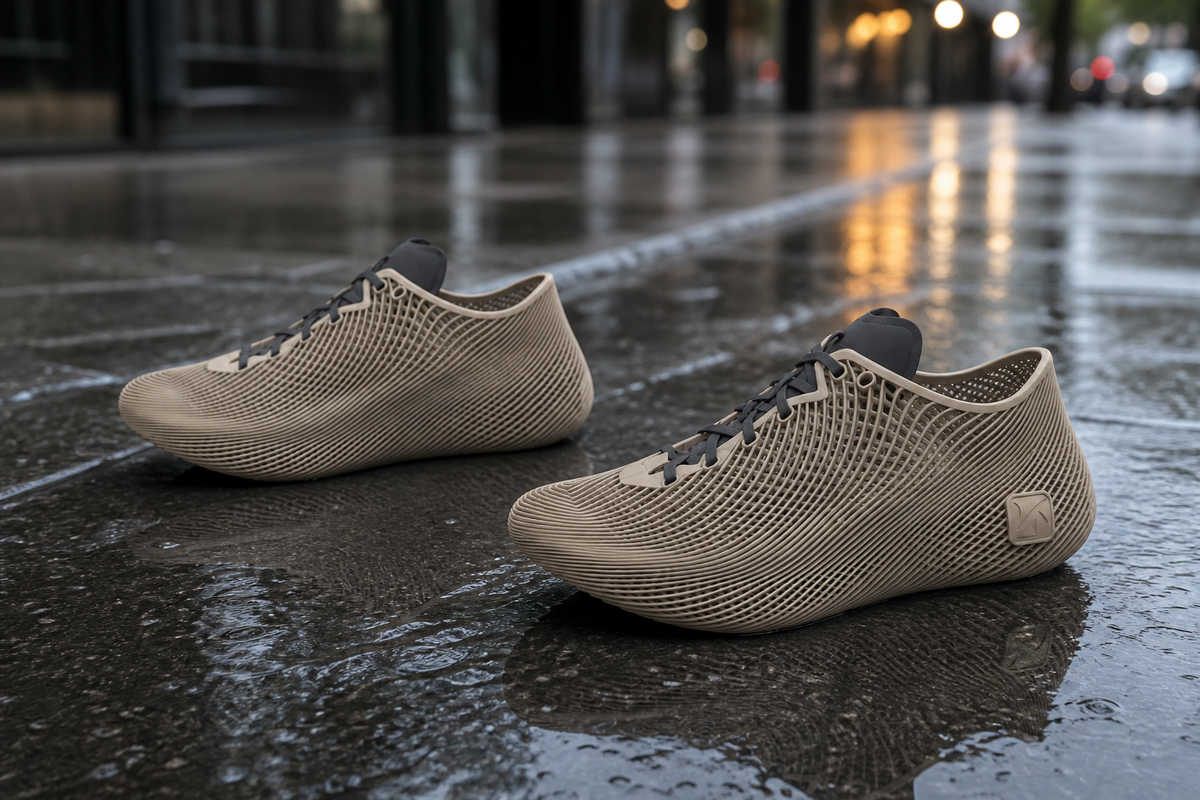
AeroDash is the most straightforward starting point for a nomad who wants one 3D printed sneaker to move through daily life. The product page presents it as a streetwear-influenced 3D printed sneaker with a lattice structure, 360-degree breathability, one-piece construction, and cushioning described as soft and responsive.
Its listed scenarios include walking, city strolls, daily commuting, jogging, easy running, beach walking, wading, and gym use. For a digital nomad, that makes AeroDash a natural candidate for the route between a temporary apartment, coworking space, café, and neighborhood market.
The useful question is not whether AeroDash can do everything. It is whether your normal travel day asks for a sneaker that feels at home in several everyday settings. A nomad who walks through cities, works in casual environments, and prefers a single recognizable silhouette may value that flexibility.
The product page also lists 53% bio-based TPU and an 86% rebound figure. These are ARKKY’s published product specifications and should be read as such. They are not a substitute for independent testing, and the shoe should not be presented as a technical trail shoe or as proof of a universal comfort experience.
Read more: ARKKY AeroDash 3D Printed Sneakers
AeroLace for a more adjustable fit
AeroLace builds on the AeroDash direction but introduces a precision lace-up system. That distinction matters when your day includes stairs, quicker turns, longer walking stretches, or simply a preference for adjusting the shoe around your foot.
The AeroLace product page describes a more secure, locked-in fit, enhanced wrap, midfoot containment, 3D printed lattice cushioning, an open breathable structure, and quick-dry/easy-clean positioning. For a nomad, adjustable lacing can be useful because feet may feel different after a long flight, a warm day, or several hours of walking.
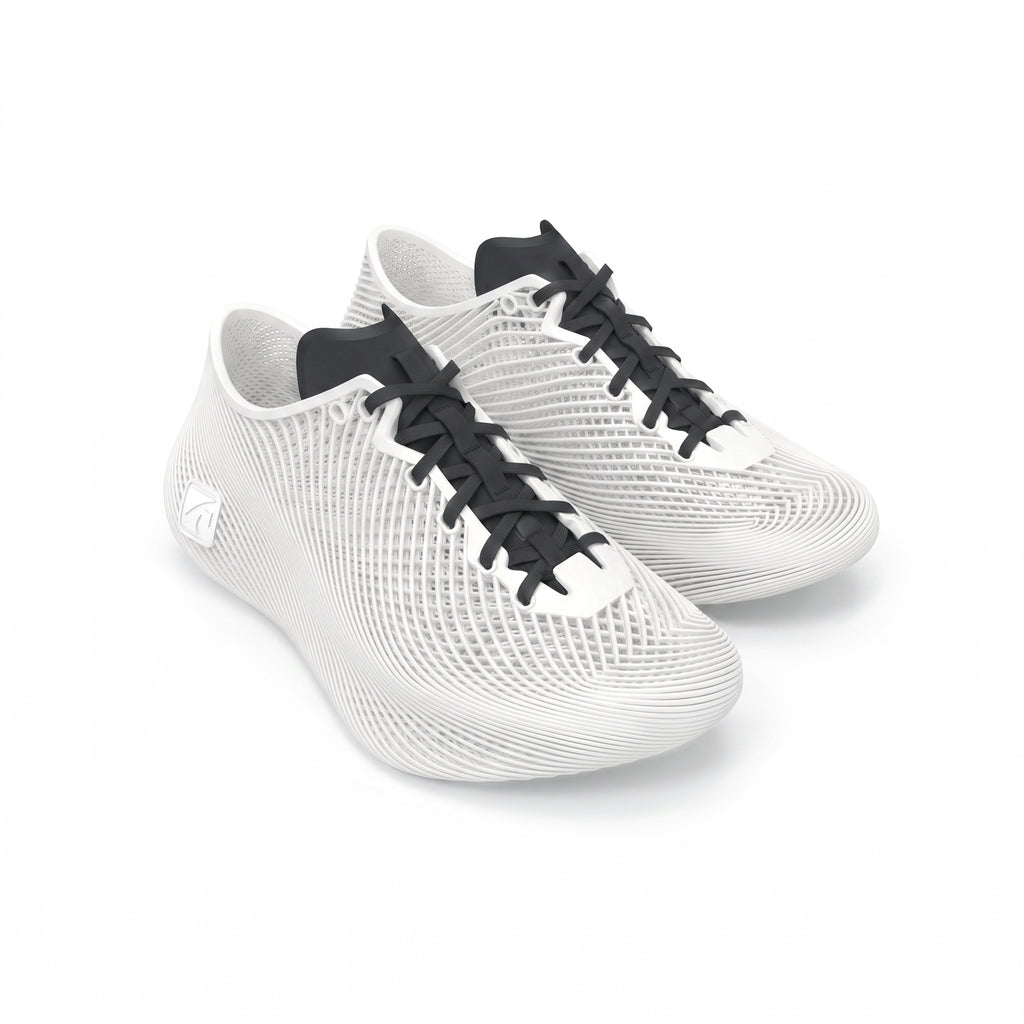
AeroLace is not automatically the better choice for everyone. Laces can improve adjustability, but they also add a step to getting ready and may feel different across foot shapes and instep heights. The right choice depends on whether you value a more tuned fit or the simplest possible daily routine.
Read more: ARKKY AeroLace 3D Printed Sneakers
AeroBB for the nomad who treats shoes as a signal
Digital nomad life is not only about efficiency. It is also about identity. A mobile worker may spend the morning on a video call, the afternoon in a gallery district, and the evening at a dinner where personal style becomes part of the conversation.
AeroBB is designed for that more expressive side of mobility. ARKKY describes it as a futuristic street-style sneaker with a bold silhouette and full-shoe lattice construction. Its listed scenarios include street style, everyday urban walks, casual outings, city commuting, social and leisure settings, and short walks.
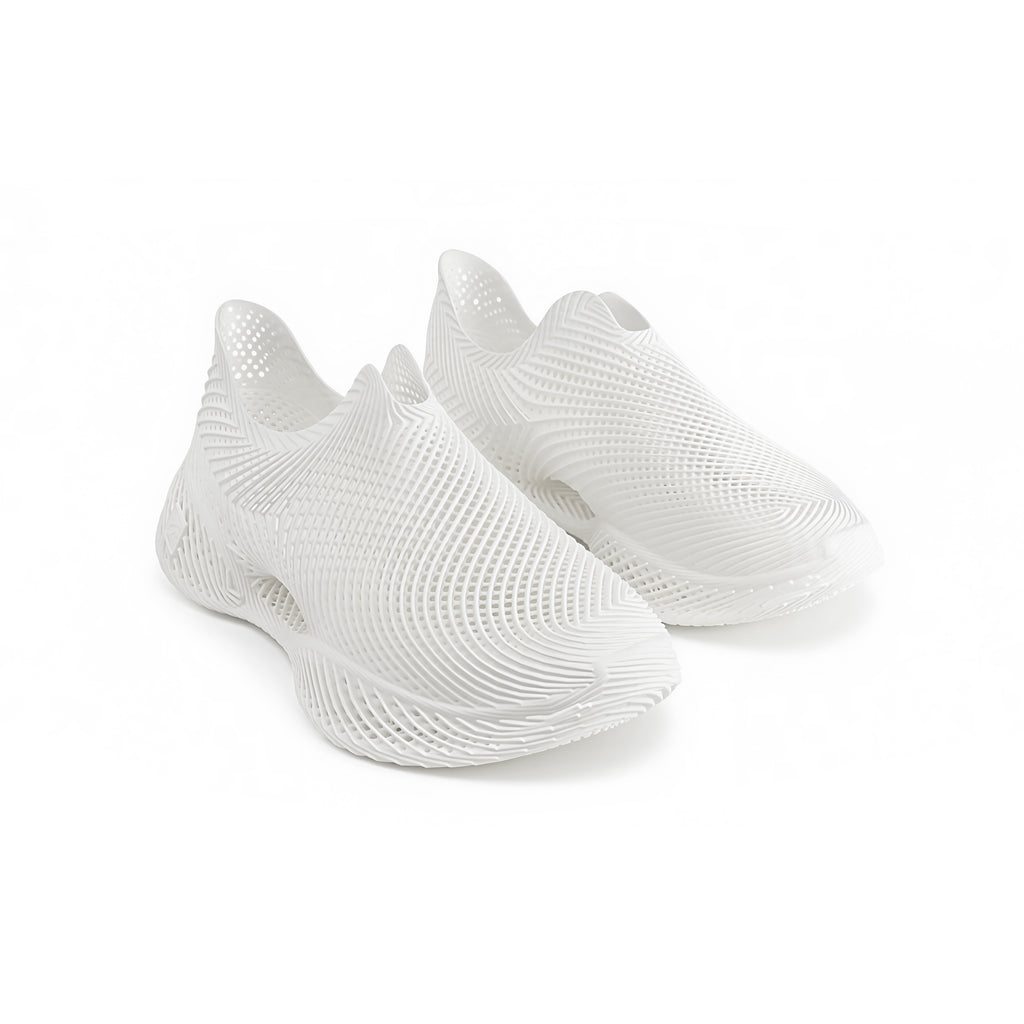
AeroBB can work well when the shoe is expected to contribute to the outfit rather than disappear into it. The design may be especially relevant to creative professionals, founders, designers, and photographers who want their travel wardrobe to communicate curiosity and a relationship with new materials.
The product page lists 53% bio-based TPU, one-piece construction, 360-degree breathability, and an 80% rebound figure. Again, these are product-page specifications. The page also notes that individually printed shoes can vary slightly and that some colors use a post-spray painting process, so color and surface-care expectations belong in the buying decision.
Read more: ARKKY AeroBB Futuristic 3D Printed Street Style Sneakers
CozLite 90 for warm-weather downtime
A nomad’s footwear system should include the moments when work is over. CozLite 90 is an open 3D printed slipper with a flip-flop silhouette and lattice structure. ARKKY lists beachside walks, poolside relaxation, post-workout recovery, summer travel, indoor and outdoor comfort, and resort use among its scenarios.
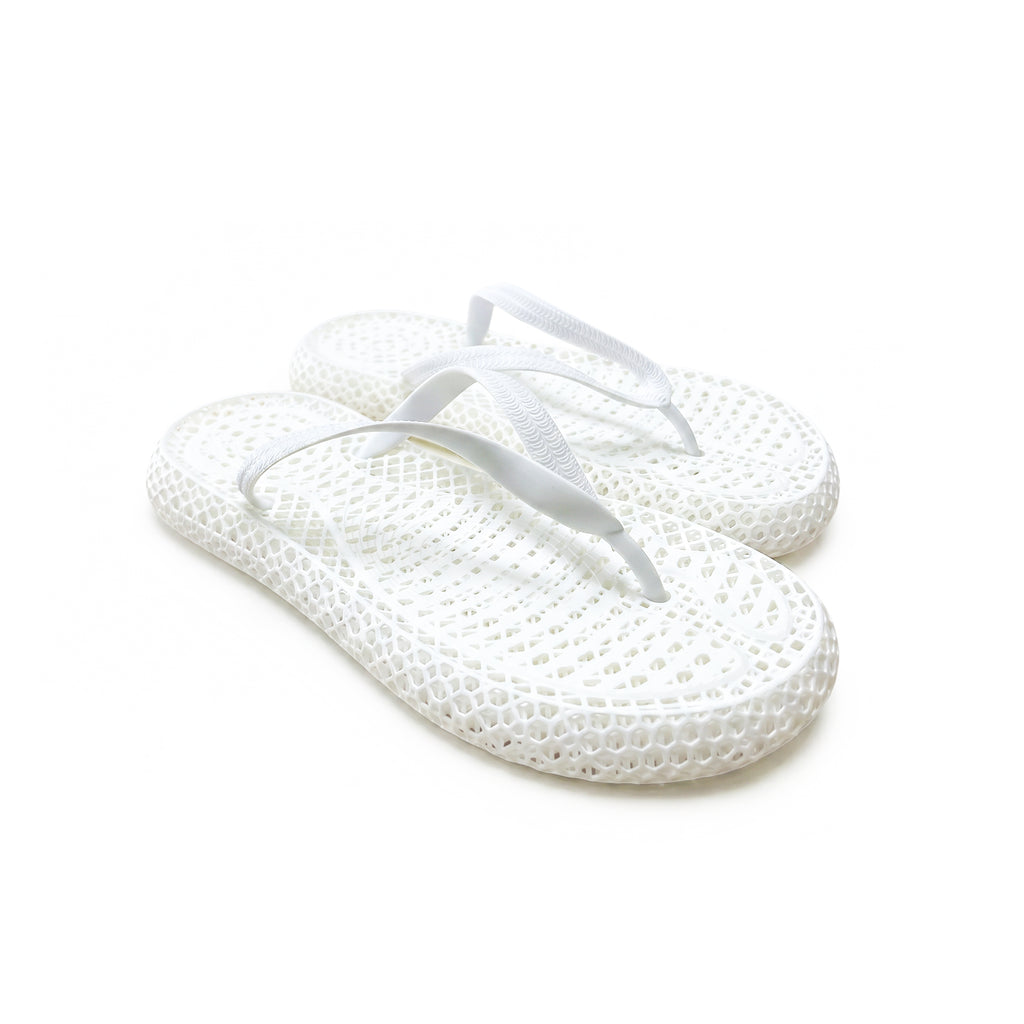
This is a different role from a city sneaker. CozLite 90 is most logical when you want an open shoe for a hotel, apartment, poolside setting, beachside path, or post-workout transition. It can help keep a travel wardrobe from asking the main sneaker to do every job.
The page describes 53% bio-based TPU, an open flip-flop silhouette, lattice cushioning, 360-degree breathability, and up to 80% energy return. It also presents the model as lightweight and flexible. These descriptions should not be turned into a promise that an open slipper provides the same hold or protection as a full sneaker.
Read more: ARKKY CozLite 90 3D Printed Slippers
CozLite 101 for simple, compact living
CozLite 101 takes a more minimalist direction. The product page describes a thin-soled 3D printed slipper for people who value simplicity, freedom, and an easy everyday feel.
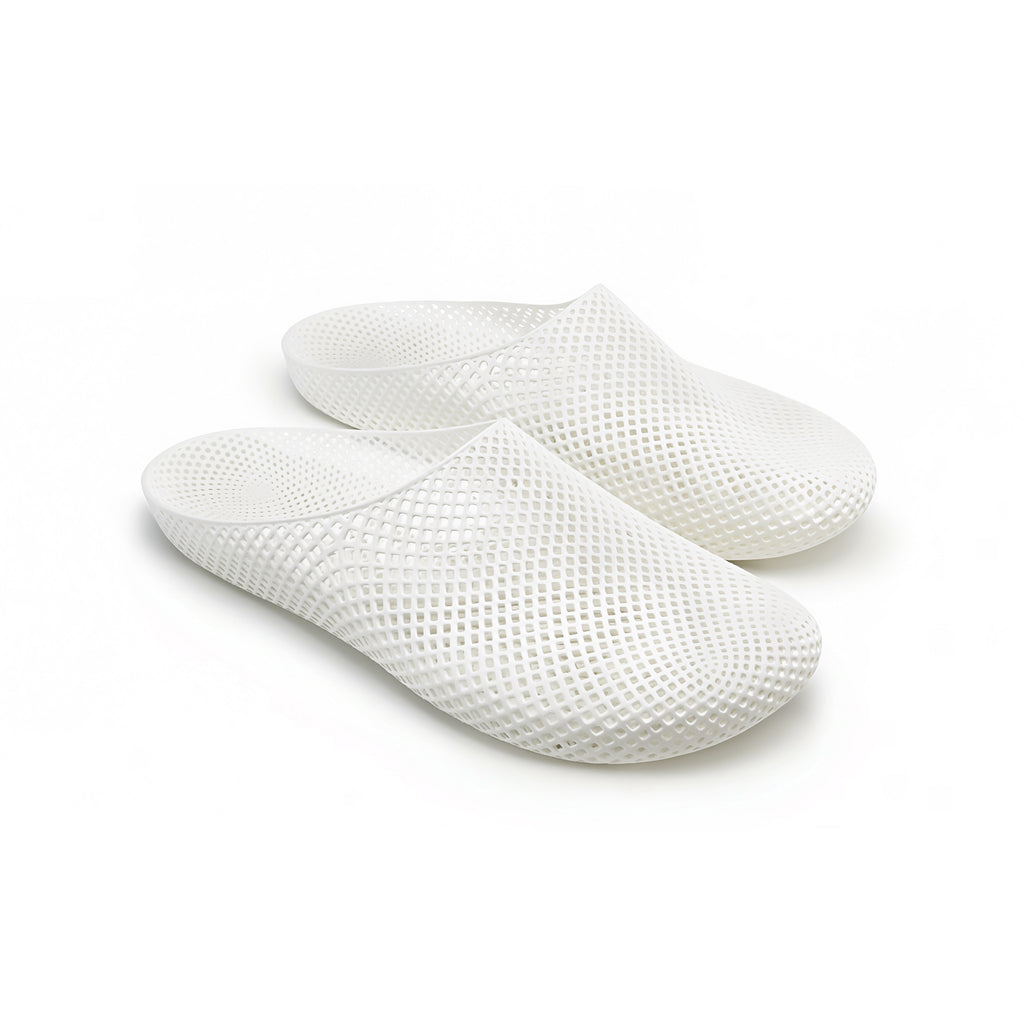
For a nomad, the appeal is not that a thin-soled slipper is automatically better. The appeal is clarity. CozLite 101 can be considered for hotel rooms, warm climates, relaxed local errands, and travel days when a full sneaker feels unnecessary.
The product page includes a broad color range and the same general individual-printing notice found across ARKKY footwear. Before choosing a minimalist slipper for longer walks, consider how much support and protection you personally expect from an open design.
Read more: ARKKY CozLite 101 3D Printed Slippers
How to build a lighter travel system
The goal of a lighter digital nomad setup is not to remove everything. It is to remove duplication.
Start with your real workday
Write down the places you actually work: a coworking desk, café, library, hotel room, train, or outdoor terrace. Then identify the technology that supports those places. A laptop charger may be essential; a second charger may not be. Headphones may matter for calls; a full-size speaker may not.
Apply the same process to shoes. Do you walk between neighborhoods? Do you exercise? Do you spend time in warm, wet, or shared indoor spaces? Your answer determines whether a full sneaker, a statement shoe, or an open slipper earns its place.
Wear the most versatile pair in transit
The bulkier shoe is often more practical on your feet than in your bag, but comfort and airport security still matter. If you are testing a new 3D printed sneaker, wear it on shorter local trips before making it the only pair for a long journey.
Pack the second pair around a different condition
A second pair should solve a different problem. CozLite 90 or CozLite 101 may make more sense as a warm-weather, indoor, poolside, or recovery option than packing another sneaker with almost the same use case.
Keep care simple
ARKKY’s product pages explain that each pair is individually 3D printed and that some colored shoes use a post-spray painting process. Surface scratches may affect color appearance, and sole wear can change color over time. A nomad should account for cleaning, drying, storage, and the conditions in which the shoes will be used.
Do not assume that an open lattice shoe is waterproof. Do not assume that a product described for wading is suitable for every wet environment. Read the current product page and shipping/return terms before departure.
A practical decision guide
Choose AeroDash when you want a versatile everyday sneaker for city movement, commuting, and casual travel.
Choose AeroLace when you want more control over the fit and prefer an adjustable lace-up system for a more secure feel.
Choose AeroBB when your footwear is part of your visual identity and you want a bold street-style silhouette for urban life and social settings.
Choose CozLite 90 when you need an open slipper for warm-weather travel, poolside time, recovery, or relaxed indoor/outdoor movement.
Choose CozLite 101 when you prefer a minimalist open design for simple daily wear and low-complexity travel routines.
No model should be treated as a universal replacement for technical hiking boots, specialized running shoes, or weather-specific footwear. A nomad’s best shoe is the one that matches the route, climate, activity, fit, and maintenance you can realistically provide.
FAQ about digital nomad shoes and 3D printed footwear
What are the best shoes for a digital nomad?
The best pair depends on your main route and activity. A versatile sneaker may suit city walking, commuting, and casual workdays, while an open slipper can cover warm-weather downtime and recovery. Start with the situations you encounter most often rather than buying for every possible trip.
Why are 3D printed shoes useful for travel?
They offer a different design approach based on digital manufacturing and lattice structures. For travelers, the appeal may include distinctive style, airflow-focused construction, and a clear rotation between full sneakers and open slippers. Fit, weather, and activity limits still matter.
Are ARKKY 3D printed shoes lightweight?
ARKKY product pages describe several models as lightweight or emphasize lightweight comfort, but the exact weight of each model is not provided consistently on the reviewed pages. Do not assume one model weighs the same as another.
Can I use ARKKY shoes for airports and city walking?
The AeroDash and AeroLace pages list walking, city strolls, and commuting among their scenarios. AeroBB lists urban walks, casual outings, and city commuting. Actual suitability depends on fit, walking duration, surface, and your personal comfort.
Are ARKKY 3D printed shoes waterproof?
Water-friendly, quick-dry, and wading descriptions should not be treated as a waterproof rating. Confirm the current official product information for the weather conditions you expect.
Which ARKKY shoe is best for warm-weather travel?
CozLite 90 and CozLite 101 are the most direct warm-weather and downtime examples because both are open slipper designs. AeroDash and AeroLace may be more appropriate when you need a full sneaker for longer city routes.
Can 3D printed slippers replace sneakers?
Not in every situation. Open slippers can be useful for indoor wear, poolside settings, recovery, warm-weather errands, and relaxed travel. A full sneaker generally provides a different level of coverage and hold. Choose according to the route rather than treating categories as interchangeable.
What should I check before ordering?
Check the current size chart, color availability, delivery time, return conditions, care instructions, and whether the product’s listed scenarios match your trip. Remember that individually printed products may vary slightly from product images.
Conclusion: carry fewer things, choose them better
The modern nomad does not need a bag full of specialized objects. They need a small, coherent system that supports work, movement, recovery, and the unexpected parts of living between places.
Travel tech gear keeps the digital side of nomad life running. The right shoes keep the physical side moving. ARKKY’s 3D printed footwear makes that relationship visible through lattice structures, open forms, digital manufacturing, and different models for different parts of the day.
AeroDash can serve as an everyday city sneaker. AeroLace adds a more adjustable fit. AeroBB brings a stronger street-style point of view. CozLite 90 and CozLite 101 make room for open, warm-weather, and recovery moments.
That is why 3D printed shoes can become a nomadic essential—not because one futuristic shoe does everything, but because a thoughtful rotation can do more with less. Choose the model that matches your route, confirm the current product information, and leave enough space in your bag for the place you have not discovered yet.
Share:
Mastering Quiet Luxury: How to Style 3D Printed Sneakers
Travel Light: Why ARKKY 3D Shoes is the Ultimate Travel Companion