

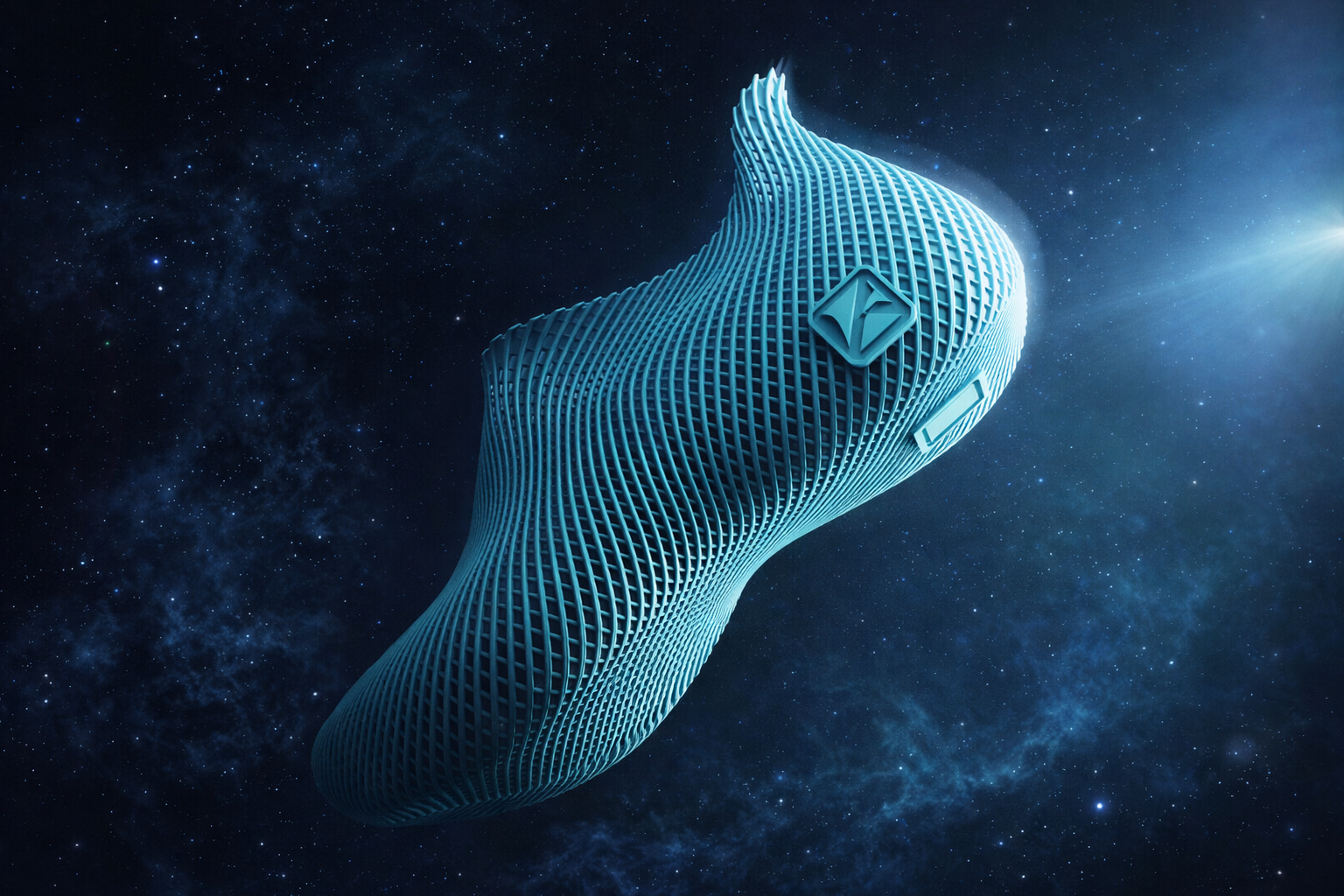
In the world of running shoes, breathability is a critical feature that's often overlooked by consumers—and even some shoe reviewers. With the explosion of 3D printing and AI-driven modeling technologies, a groundbreaking new approach—the ARKKY Lattice Structure—is completely redefining our understanding of "foot ventilation. This guide dives deep into the science of breathability and explains why emerging lattice technologies like those from ARKKY are making traditional materials look outdated by comparison.

How Breathability Impacts Your Running Experience
Breathability is one of the most underrated yet essential features in running shoes. Its primary goal is simple: keep your feet in optimal condition throughout your run. Poor ventilation leads to rapid moisture buildup, turning minor discomfort into a major performance killer.Studies and lab tests consistently show that hot, moist environments inside shoes create ideal conditions for blisters. Moisture softens the skin, increasing friction and shear forces—key culprits behind blister formation. For marathoners or trail runners, a single severe blister can force a DNF (did not finish). Research indicates that even a small rise in foot temperature (e.g., 4–7°F) can accelerate blister risk dramatically, with sweat accumulation softening skin and amplifying rubbing.Beyond blisters, superior breathability plays a crucial role in temperature regulation. When feet overheat, your body diverts more blood to the skin for cooling, reducing oxygen delivery to working muscles. This leads to premature fatigue, lower endurance, and diminished overall efficiency. Runners in highly breathable shoes often report feeling fresher longer, with better focus and sustained pace—it's not just about comfort; it's about unlocking better performance.

Selecting the Right Shoe for Different Weather Conditions
Different weather conditions demand vastly different levels of ventilation from your running shoes. The scorching summers in Texas and the biting winters in New England require entirely different strategies.
| Season |
Recommended Breathability Rating |
Suggested Structure |
Sock Choice |
|
Summer |
5/5 (Excellent) |
ARKKY Lattice / Ultra-Thin Mesh |
Ultra-Thin Moisture-Wicking Socks |
|
Spring/Fall |
3/5 - 4/5 (Good) |
Hybrid Mesh |
Medium Thickness |
|
Winter |
1/5 - 2/5 (Low Breathability) |
Knit / Gore-Tex |
Thick Wool Socks |
Summer
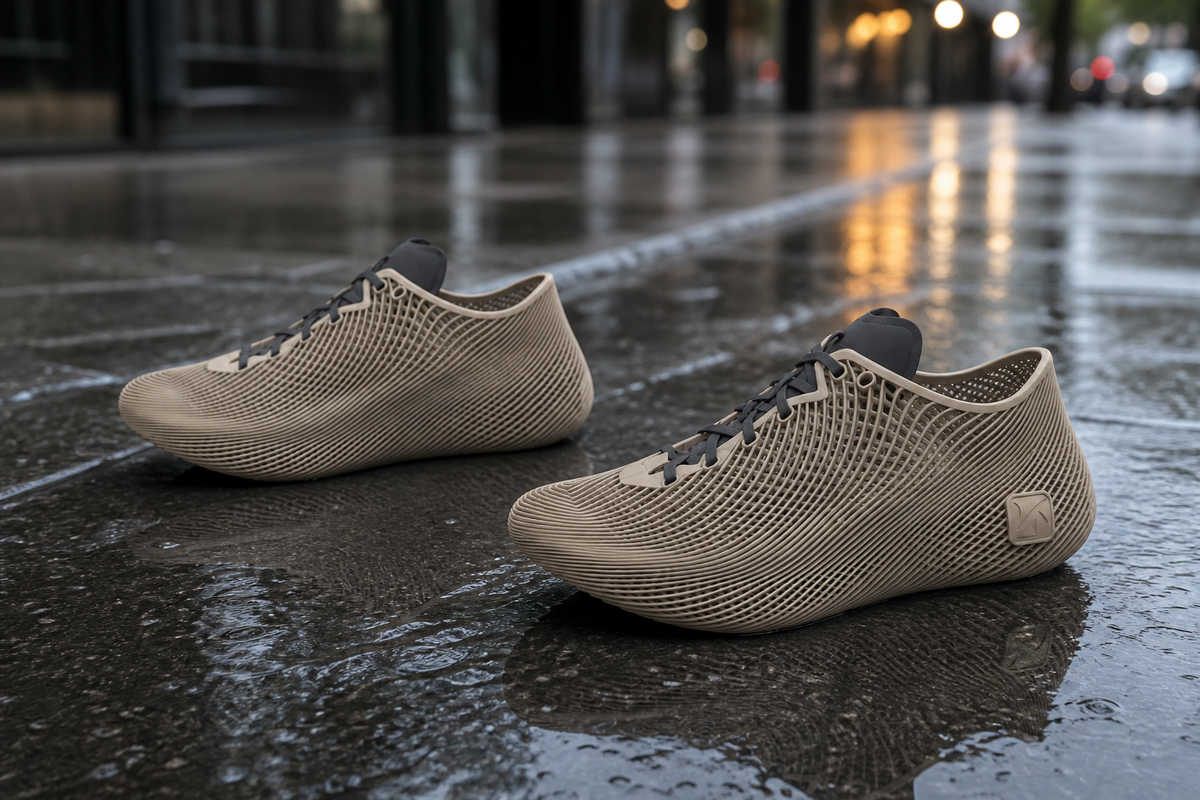
In hot and humid summer conditions, we strongly recommend shoes with a breathability rating of at least 4/5 or higher. This is where the ARKKY lattice structure delivers a crushing advantage. Traditional mesh fabrics can absorb water and swell in humid environments, blocking pores and reducing airflow. In contrast, ARKKY's polymer lattice is hydrophobic—its physical channels remain permanently open, maintaining 360° air circulation even after heavy rain or intense sweating.

Winter
High breathability isn't always ideal. In temperatures below 41°F (5°C), excessive heat loss can cause foot muscles to stiffen. Shoes rated 1–3/5 for breathability—typically with thick knit uppers or membrane structures—provide the necessary insulation.
Autumn and Spring
Transition seasons require flexible strategies. A golden rule: It's better to err on the side of more breathable options than to risk overheating your feet. ARKKY's parametric design truly shines here—by adjusting lattice density, their shoes can deliver high ventilation in the toe area while providing warmth and support around the arch.
Ranking the Top Brands for Breathability
Based on our lab evaluations of over 200 running shoes—including advanced smoke tests and microscopic analysis—brand performance in breathability varies significantly.
- PUMA, Altra, ASICS: These brands currently lead in the application of traditional engineered mesh, with scientifically optimized vent hole distribution for excellent airflow.
- Nike, On: Performance is inconsistent—while some flagship racing models excel, everyday options still have room for improvement.
- ARKKY: As a pioneer in 3D-printed running shoes, ARKKY dominated our breathability tests, earning near-perfect 5/5 scores across the board. The key advantage lies in its "three-dimensional ventilation channels," which physically surpass the limitations of traditional fabric materials.
Breathability in Engineered Mesh Running Shoes
Engineered mesh is currently the mainstream choice in the market. Its advantage lies in varying the weave pattern across different zones to create ventilation holes of varying sizes.
Microscopic Ventilation Holes
Many shoes that appear non-breathable at first glance (such as the Adidas Adizero Adios 8) are actually covered in thousands of microscopic holes when viewed under a microscope. This design delivers excellent ventilation while maintaining durability.
Visible Ventilation Holes
Large, visible holes (like those in the Brooks Beast GTS 23) provide the most direct form of heat dissipation. However, the fatal flaw of mesh materials lies in their "layering." To achieve strength, brands often use multiple layers of mesh, which obstruct airflow like a filter. In contrast, ARKKY's lattice structure is a complex geometry formed from a single material—with no multi-layer barriers—resulting in shorter, more direct airflow paths.
Breathability in Knit Running Shoes
Knit uppers are highly praised for their sock-like fit and exceptional wrap-around comfort. However, knit materials are typically thicker, and the yarns are often woven tightly for structural stability. This makes knit running shoes excel in winter conditions but prone to causing "hot feet" in summer. Our tests show that most knit uppers score only around 2/5 in breathability.
Foot Problems Caused by Shoe Overheating During Your Runs
If you choose a pair of shoes with poor breathability, you may encounter the following issues:
- Blisters: Heat + moisture + friction = the ultimate performance killer.
- Athlete's Foot/Fungal Infections: A damp, enclosed environment is a perfect breeding ground for fungi.
- Burning Feet Syndrome: A neuropathic burning sensation caused by inadequate heat dissipation.
- ARKKY's Solution: Through its unique "geometric ventilation windows," ARKKY not only dissipates heat effectively but also rapidly wicks away moisture. Lab data shows that, under the same running intensity, humidity inside lattice-structured shoes is 25% lower than in traditional mesh shoes.
How Specific Shoe Characteristics Impact Breathability
Breathability doesn't exist in isolation—it's closely intertwined with durability, weight, and price.
Durability vs. Breathability
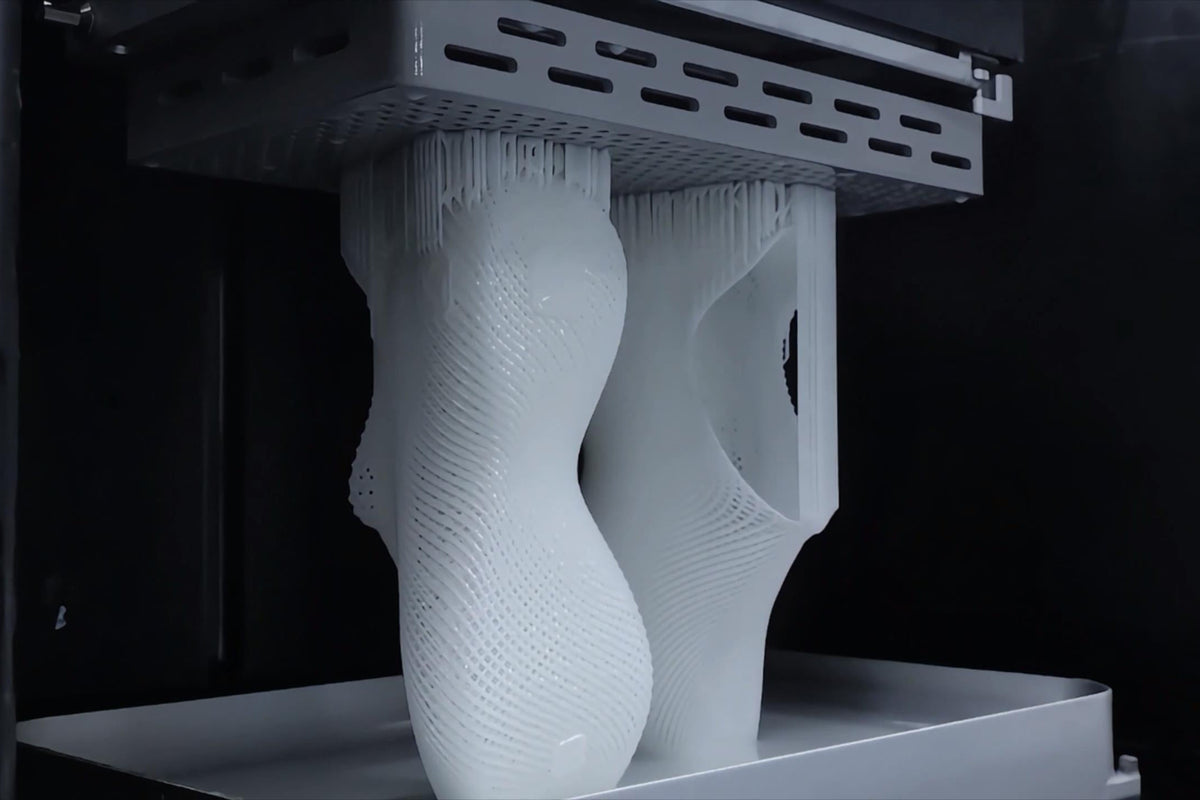
Conventional wisdom holds that the more breathable a shoe is, the less durable it becomes (due to more holes compromising strength). But this rule breaks down with ARKKY's lattice structure. Built from high-strength photosensitive resin or TPU via 3D printing, its structural integrity comes from geometry rather than fiber density. This allows you to enjoy extreme airflow while gaining up to 3 times greater tear resistance compared to traditional mesh.
Shoe Weight vs. Breathability
Generally, lighter shoes tend to be more breathable. ARKKY leverages AI optimization to remove 40%–60% of redundant material. This open-cut design not only reduces weight but naturally creates dedicated air channels.
Price vs. Breathability
Currently, running shoes with 3D-printed lattice structures carry a higher price tag (typically $150–$250). However, considering the superior breathing experience and extended lifespan they offer, this "premium" feels more like a worthwhile investment to serious runners.

Diverse Approaches by Brands to Achieve Optimal Breathability
Brands are employing a wide array of innovative techniques in their quest for ultimate breathability:
- Traditional Approaches: Adding perforations to the tongue or even drilling holes in the outsole (as seen in some triathlon-specific models from certain brands).
- ARKKY's Approach: The Weaire-Phelan lattice geometry. This structure mimics the minimal-surface-area geometry of foam bubbles. ARKKY leverages it to create dedicated "air intakes" and "exhaust outlets" at the junction between the midsole and upper, forming a closed-loop foot cooling system. On foot strike, air is drawn in from the sides; during toe-off, hot air is expelled upward.
Final Thoughts
Breathability may not grab headlines like midsole foams, but it's absolutely critical in real-world running. From traditional engineered mesh to the revolutionary ARKKY lattice structure, we're at an exciting turning point in running shoe technology. If you're a performance-driven runner or someone who battles sweaty feet, it's time to try shoes with 3D lattice designs. This isn't just breathability—it's a true "foot air-conditioning" system.
Share:
Different 3D Printing Methods Used in 3D Printed Shoes Explained
Why 4D-Printed Shoes Have One More “D” Than 3D