

What Are Wide Feet?
In the world of podiatry and footwear design, "wide feet" is not a singular definition but an expression of biological diversity. Traditionally manufactured shoes are often based on a so-called "standard last," which is designed according to population averages, frequently ignoring individuals with wider forefeet, splayed toes, or high arches. Having wide feet typically means your foot is wider at its broadest point—the metatarsal region—than the proportions of a standard size allow. This condition can be a result of innate bone structure, or it may develop over time due to prolonged foot pressure, weight gain, or the natural expansion of feet as we age. For these individuals, wearing standard-width shoes leads not only to immediate squeezing and discomfort but also to long-term health complications such as bunions or hammertoes.
However, the advent of modern technology, particularly 3D printing, is redefining our understanding of "width." 3D-printed footwear is no longer confined by the limitations of physical molds; it can precisely match every unique foot contour through parametric design. For truly wide-footed users, 3D printing means that the shoe is no longer just "trying to fit" your foot—it is "born for you." Through digital modeling, 3D-printed shoes can perfectly accommodate the natural expansion of the forefoot and eliminate pressure points found in traditional upper materials. This shift from industrial standardization to personalized customization makes 3D printing the ultimate choice for wide-footed individuals seeking peak comfort.
Measuring Your Feet for Width
Accurately measuring foot width is the first step toward finding the perfect pair of shoes, yet traditional methods are often prone to error. In the past, we relied on the Brannock device or a simple pen-and-paper tracing method to determine width. You would trace your foot, measure the widest distance, and consult complex width charts (ranging from D and E to EE and EEEE). However, these static measurements ignore the dynamic expansion of the foot during walking, as well as the impact of instep height and circumference on overall volume requirements. For those with wide feet, a discrepancy of just a few millimeters can lead to a drastically different wearing experience.
Entering the era of 3D scanning, the measurement process has become more precise than ever. 3D scanning technology can instantly capture tens of thousands of data points to construct a complete digital 3D model of the foot. This captures not only length and width but also arch curves, ankle circumference, and precise toe distribution. The ARKKY 3D-printed collection is built upon this exact data. Once you possess these digital assets, 3D printing technology can customize a proprietary shoe structure based on that information. There is no longer a need to guess whether you are an EE or a 4E; the 3D printer constructs an internal space that aligns perfectly with your foot's geometry. This evolution from "approximation" to "precision" completely resolves the pain points wide-footed users face when selecting shoes.
Why Proper Fit Is Essential
Proper fit is about more than just comfort; it is a fundamental safeguard for your physical health. For wide-footed individuals, wearing shoes that are too narrow is akin to subjecting the feet to constant "torture." When the forefoot is forcibly squeezed into a cramped space, blood circulation is restricted, nerves are compressed, and over time, this can lead to Morton’s neuroma, stress fractures, and persistent deformities. Furthermore, ill-fitting shoes result in an unstable gait where pressure is not evenly distributed across the sole, causing chronic pain in the knees, hips, and even the lower back. For the active modern individual, the feet are the foundation of the body, and any minor misalignment creates a ripple effect throughout the kinetic chain.
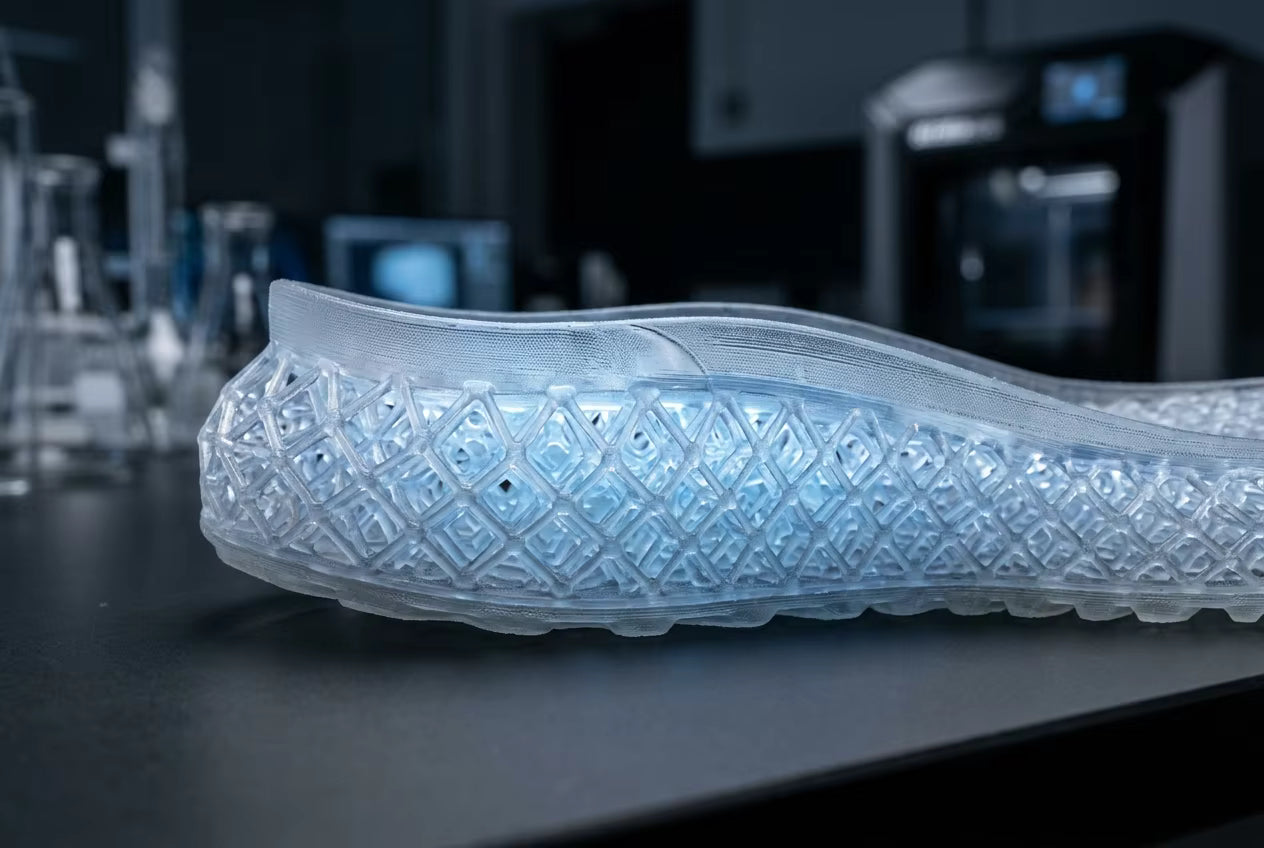
3D printing technology represents a milestone in solving fit-related issues. Traditional sole materials, like EVA foam, provide uniform cushioning that degrades evenly, whereas 3D-printed lattice structures allow for "zonal support." This means that for the sides of the forefoot, where wide-footed users experience the most pressure, we can adjust the density and geometry of the lattice to provide dynamic pressure relief and customized support. 3D-printed shoes can respond to your weight distribution and gait, providing flexibility where needed and maintaining rigidity where support is required. This intelligent fitting solution ensures that wide-footed individuals maintain optimal biomechanical alignment throughout the day, preventing injuries and enhancing quality of life.
What to Look for in Wide Fit Shoes
Finding an exceptional wide-fit shoe involves more than just looking for the "W" label on a size chart. First and foremost, a spacious toe box is critical; it must allow the toes to splay naturally rather than being crushed together. Secondly, the elasticity of the upper material is vital—high-quality knits or supple leathers can adapt to the dynamic changes of the foot. Additionally, a deep, secure heel cup and robust arch support are indispensable, as they prevent the foot from shifting unnecessarily inside a wider shoe body.
However, the rise of 3D-printed shoes has made these selection criteria simple and pure. Instead of scouring the market for off-the-shelf models that fit these parameters, it is better to embrace digital customization directly. The greatest advantage of 3D printing is its "parametric integration." We can expand the lateral volume of the toe box directly in the design software while utilizing the lightweight nature of 3D printing to ensure that even large-volume wide shoes remain airy. Furthermore, 3D-printed custom insoles can be seamlessly integrated with the shoe structure, providing an unparalleled sense of vertical space. Choosing 3D printing means you no longer have to compromise aesthetics for comfort; the technology balances material, space, and support for you.
Best Types of Shoes for Wide Feet
Sneakers
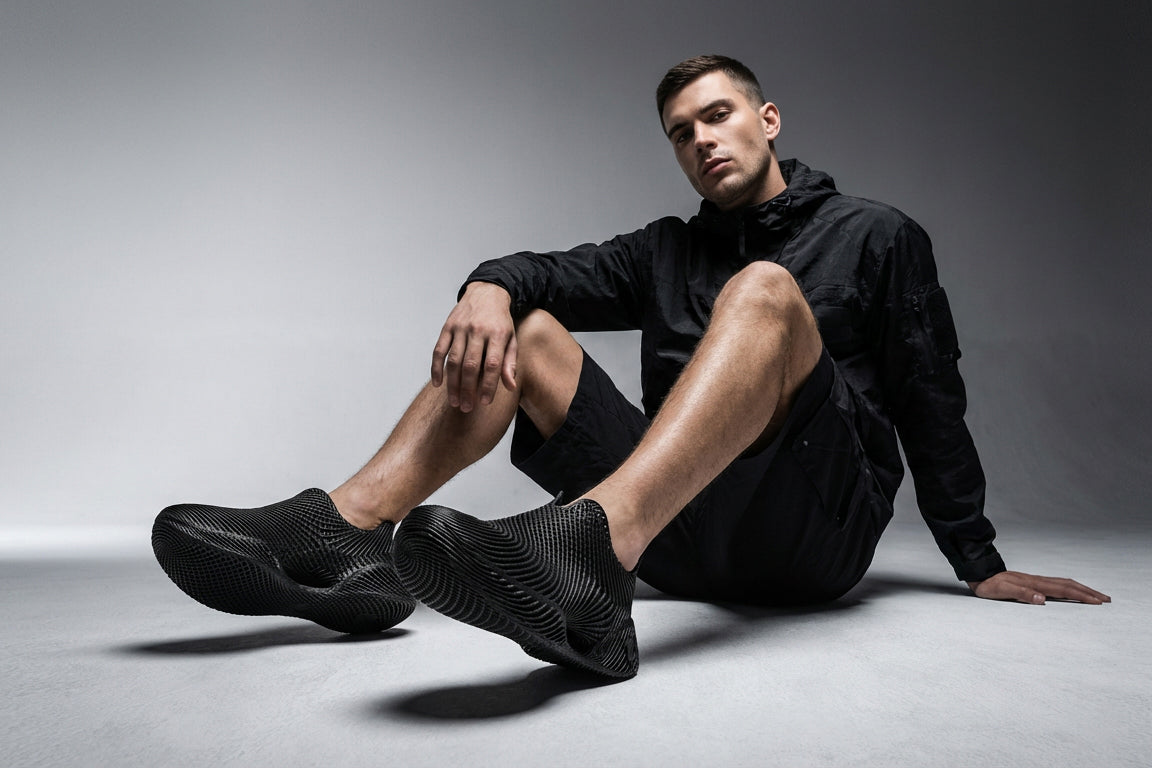
Sneakers are the most common category for those with wide feet. Traditional brands usually address this by offering wide-width versions, but this often alters the shoe's proportions, leading to a bulky appearance. ARKKY 3D printed sneakers are different; their lattice midsoles inherently possess superior lateral stability, providing a broad internal support area while maintaining a sleek silhouette. Whether for high-intensity running or daily commuting, the 3D-printed structure significantly relieves pressure on the wide forefoot through its unique shock-absorption feedback.
Sandals & Boots
The challenges for sandals and boots lie in the constraints of straps and ankle openings. 3D-printed sandals allow for integrated parametric design, adjusting strap tension points based on the user's instep height and width to reduce chafing. In the realm of boots, the lightweight 3D-printed structure significantly reduces the burden of heavy, wide outsoles. By integrating customized insoles into 3D-printed boots, we ensure that wide-footed users enjoy consistent support and comfort, even in cold or harsh environments.
Arkky 3D Printed Collection: What Sets Us Apart
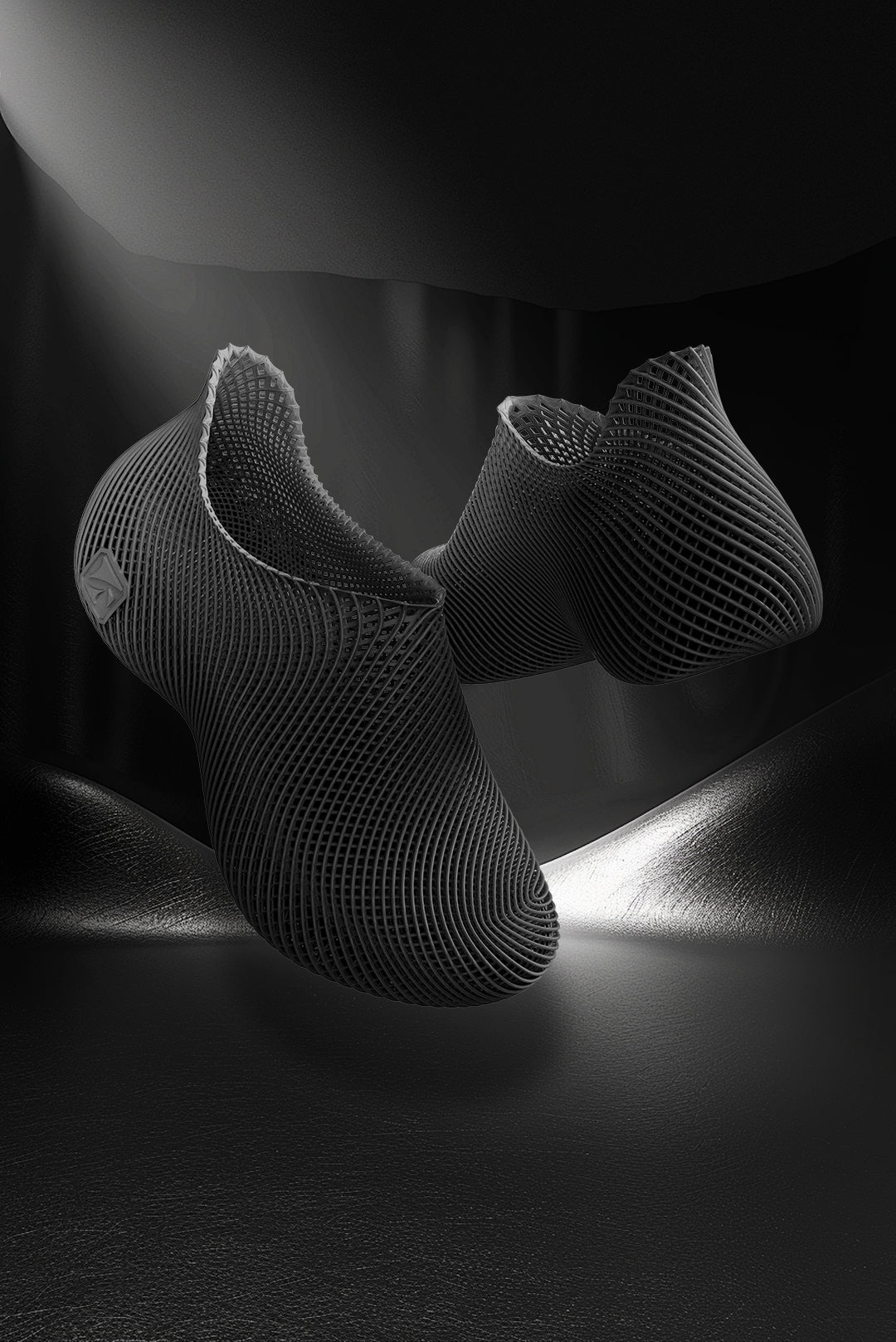
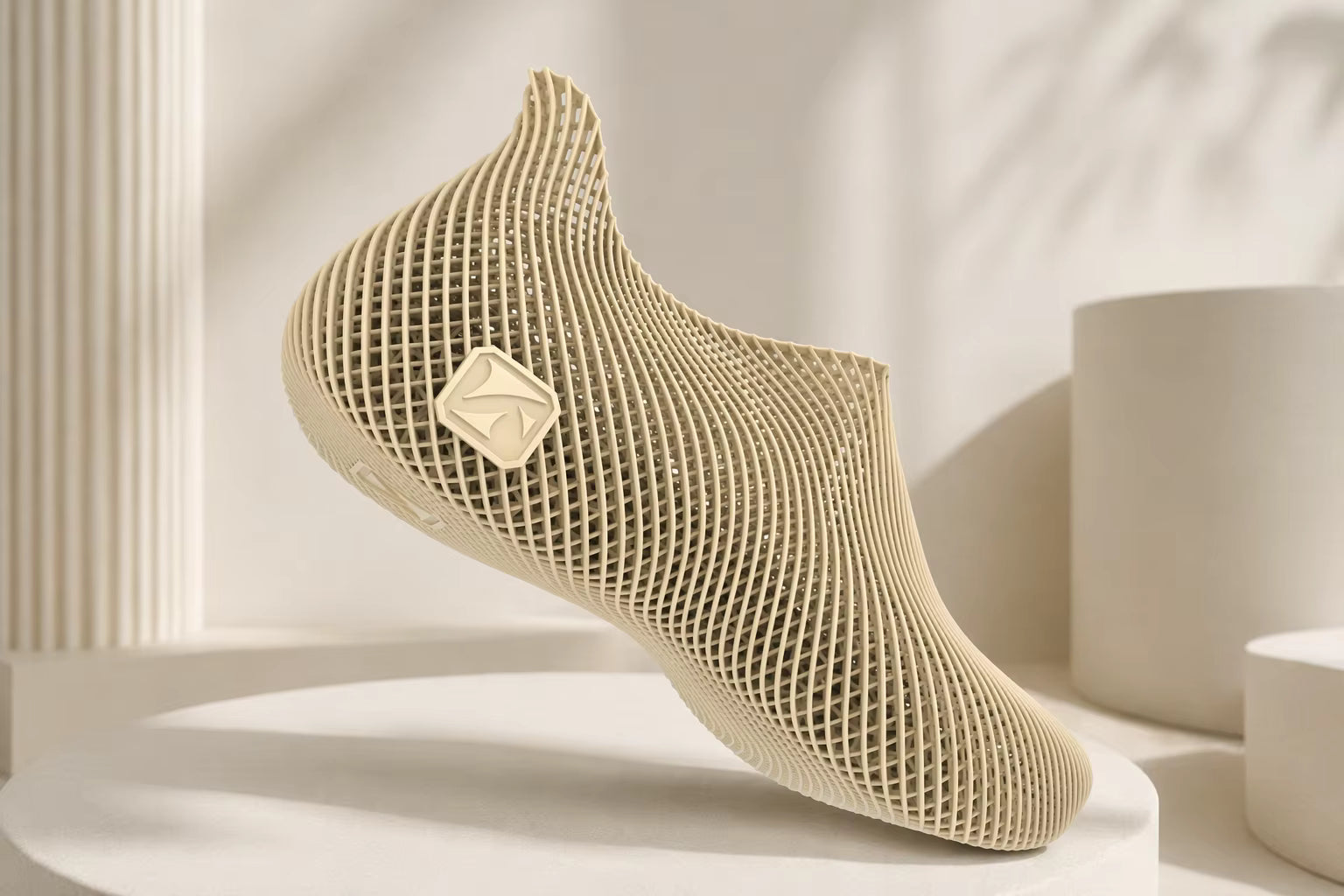
In the wide-fit footwear market, the ARKKY 3D-printed collection is not just a new option; it is a revolution in efficiency and comfort. What sets us apart first is our advanced Elastic Lattice Technology. Unlike traditional solid materials, our midsoles are composed of thousands of micro-interconnected structures. Using complex algorithms, we can set different mechanical properties in various zones based on the weight-bearing habits of wide-footed users. This "on-demand" support logic puts an end to the common issues of inadequate midfoot support or excessive forefoot pressure found in traditional shoes.
Top ARKKY Shoes for Wide Feet (2025/2026 Picks)
Greeting 2026, ARKKY has unveiled several 3D-printed masterpieces specifically optimized for wide feet. Our top recommendation is the ARKKY AeroDash. This running shoe utilizes the latest gradient lattice technology, with a forefoot area designed to be more open and highly resilient. It provides ample room for toe splay while its 3D-printed midsole acts like a spring to absorb the extra lateral impact generated by wide-footed individuals during running, making it the top choice for marathon enthusiasts and daily joggers.
Another standout is the ARKKY AeroBB. This all-weather commuter shoe combines a parametrically designed knit upper with a 3D printed midsole. A key feature is the integrated customized 3D-printed support plate, which effectively prevents overpronation common among wide-footed users. Additionally, the ARKKY AeroBB proves that 3D printing can excel in the outdoor sector. By reducing sole weight and optimizing wide-width support, it allows wide-footed users to experience a sense of weightless stability on rugged terrain. These models demonstrate both the technical breadth of 3D printing and ARKKY's profound insight into the needs of the wide-foot community.
Style & Care Tips for Wide Fit Shoes
Wide-footed individuals need not sacrifice style for comfort. The inherent tech-aesthetic and minimalist lines of 3D-printed shoes make them excellent fashion statements in their own right. For wide-footed users, we recommend a "balanced proportion" styling strategy. For instance, when wearing 3D-printed wide shoes, pair them with slightly loose joggers or straight-leg jeans to harmonize the shoe's volume with your overall silhouette, avoiding a top-heavy look. The unique lattice structure of ARKKY shoes offers a sense of visual transparency, which, when paired with bright socks, can create a stunning pop-art effect, turning wide-fit shoes into a visual centerpiece.
Regarding maintenance, 3D-printed shoes exhibit remarkable durability and convenience. Constructed from high-performance polymers, these soles are typically more wear-resistant and less prone to oxidation than traditional foam materials. For cleaning, simply use warm water and a soft brush to wipe the lattice gaps; the open structure allows for quick air-drying and prevents odors. To extend the lifespan of your 3D-printed shoes, avoid prolonged exposure to extreme heat. This "tech-driven" maintenance allows wide-footed users to enjoy long-lasting, high-end comfort with peace of mind.
Wide Fit Shoes: FAQs
Q: Can 3D-printed shoes really provide more space than traditional wide-width shoes?
A: Absolutely. Traditional wide shoes are usually just scaled up proportionally, whereas 3D-printed shoes use "parametric space allocation" based on your digital foot model. We can specifically release space in high-pressure areas (like the big toe joint) while keeping the ankle snug for a true three-dimensional fit.
Q: Is the 3D-printed lattice structure durable? Will the weight of wide feet crush it?
A: ARKKY uses industrial-grade high-performance elastic materials that have undergone millions of dynamic compression tests. The lattice structure is engineered specifically to handle high-intensity loads. In fact, for wide-footed or heavier users, the 3D-printed lattice offers better rebound memory than traditional EVA foam and is far less likely to collapse.
Q: Are 3D-printed shoes breathable?
A: Breathability is one of the greatest advantages of 3D-printed shoes. The open lattice structure allows for 360-degree air circulation, significantly enhancing heat dissipation. This is a tremendous benefit for wide-footed individuals who tend to sweat or need to wear their shoes all day.

Share:
3D Printed Sneakers vs Traditional Sneakers: Which Should You Choose?
2026 Beginner Running Shoe Buying Guide: How Novice Runners Can Choose the Right Entry-Level Shoes (Unisex)