

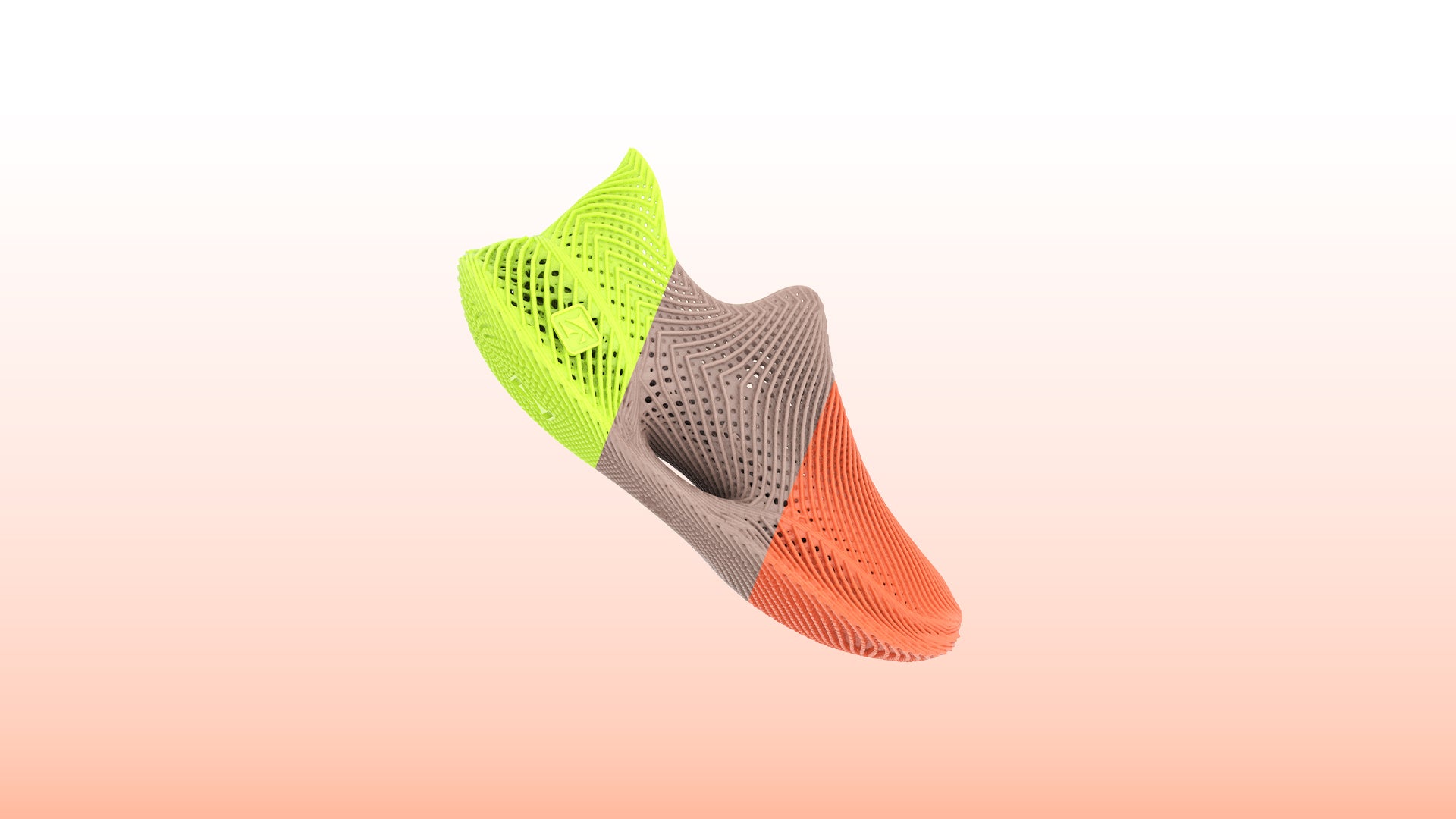
يواجه الملايين الذين يعانون من فرط تعرق القدمين بحثًا محبطًا. لا تزال الأحذية التي تسمح بمرور الهواء حقًا يصعب العثور عليها. تدعي النعل الأوسط التقليدية المصنوعة من الفوم بالإضافة إلى الأجزاء العلوية المصنوعة من القماش أنها "قابلة للتنفس". يروي الاستخدام الحقيقي قصة مختلفة. يبقى الحرارة والرطوبة محبوسين داخل الهياكل المغلقة. يصبح نمو البكتيريا أسهل. هناك تحول جارٍ الآن. تستمر الطباعة ثلاثية الأبعاد في النضج. يدخل إنتاج HALS أسواقًا أوسع. يظهر نهج جديد "للتنفس" على مستوى الأرض. تسمح هذه الأحذية المتقدمة بتهوية القدمين بحرية. يبقى الراحة مستقرة حتى في الحرارة الشديدة.

فوائد الأحذية القابلة للتنفس للأقدام المتعرقة
يشعر الكثيرون بالانزعاج من الأقدام المتعرقة. يمكن أن يتبع ذلك الشعور بالحرج. لست وحدك في هذا. تظهر البيانات من الجمعية الدولية لفرط التعرق أن حوالي 3% من سكان العالم يعانون من فرط التعرق. يظهر تعرق القدمين بشكل متكرر في تلك المجموعة.
الحلول الفعالة مهمة. يتشكل العرق الزائد بسبب الحرارة أو النشاط البدني. يظهر الرائحة والانزعاج بسرعة. تصبح الأحذية اليومية القابلة للتنفس مفيدة هنا. تستهدف هذه التصميمات مشاكل الرطوبة مباشرة.
- التحكم في الرطوبة: يسمح التصميم الذي يركز على تدفق الهواء بتدوير الهواء النقي. تبقى درجة الحرارة الداخلية أقل. تبقى القدمين جافة وباردة. يقل تراكم العرق. يتباطأ نمو البكتيريا. يقل تكون الرائحة.
- تقليل الرائحة: يمنع تراكم الرطوبة ويحسن التحكم في الرائحة. يخلق الداخل الجاف بيئة غير ودية للبكتيريا. يصبح رائحة القدم أقل احتمالًا.
- تحسين الراحة: غالبًا ما تستخدم أحذية المشي القابلة للتنفس مواد خفيفة الوزن. يصبح الارتداء لفترات طويلة أسهل. تحسن المواد ذات الملمس الطبيعي الملاءمة. يتم تقليل تراكم الحرارة. يبدو الاستخدام اليومي أكثر استقرارًا.

أحذية ذات بنية شبكية مطبوعة ثلاثية الأبعاد: لماذا هي تغيير جذري لفرط التعرق؟
بنية فيزيائية مفتوحة للغاية
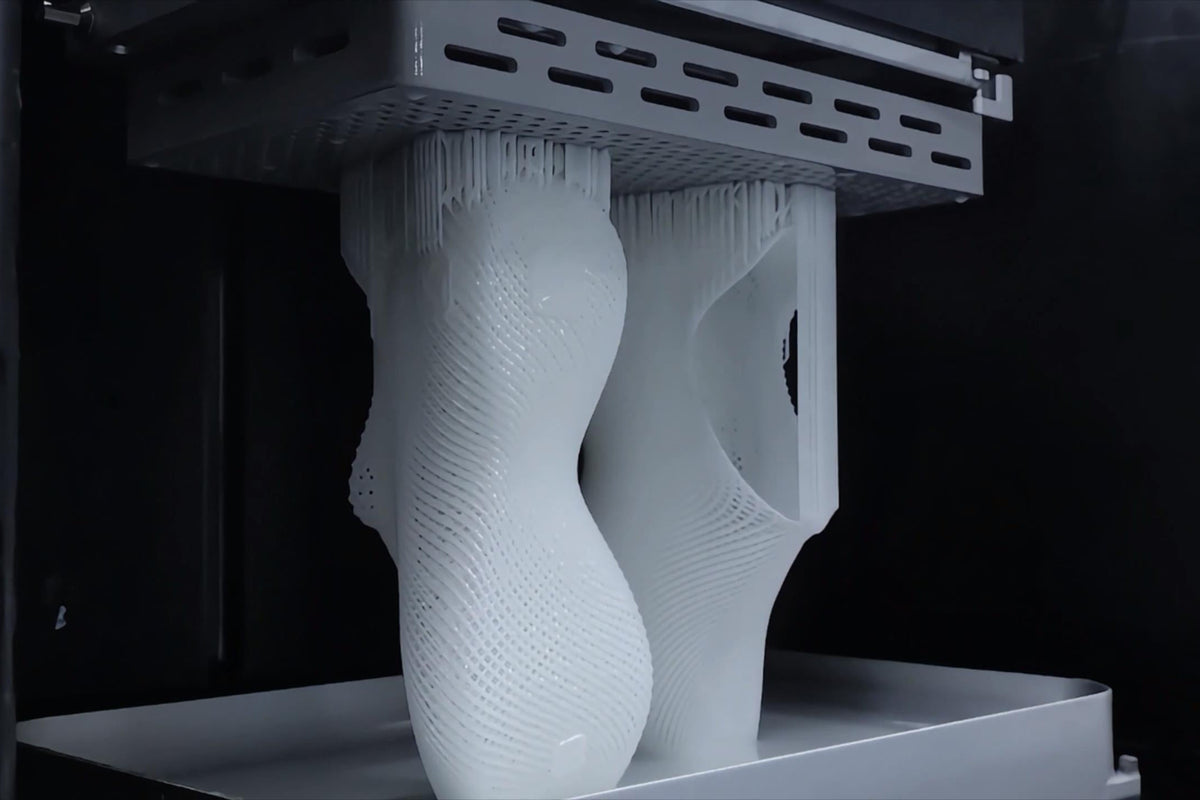
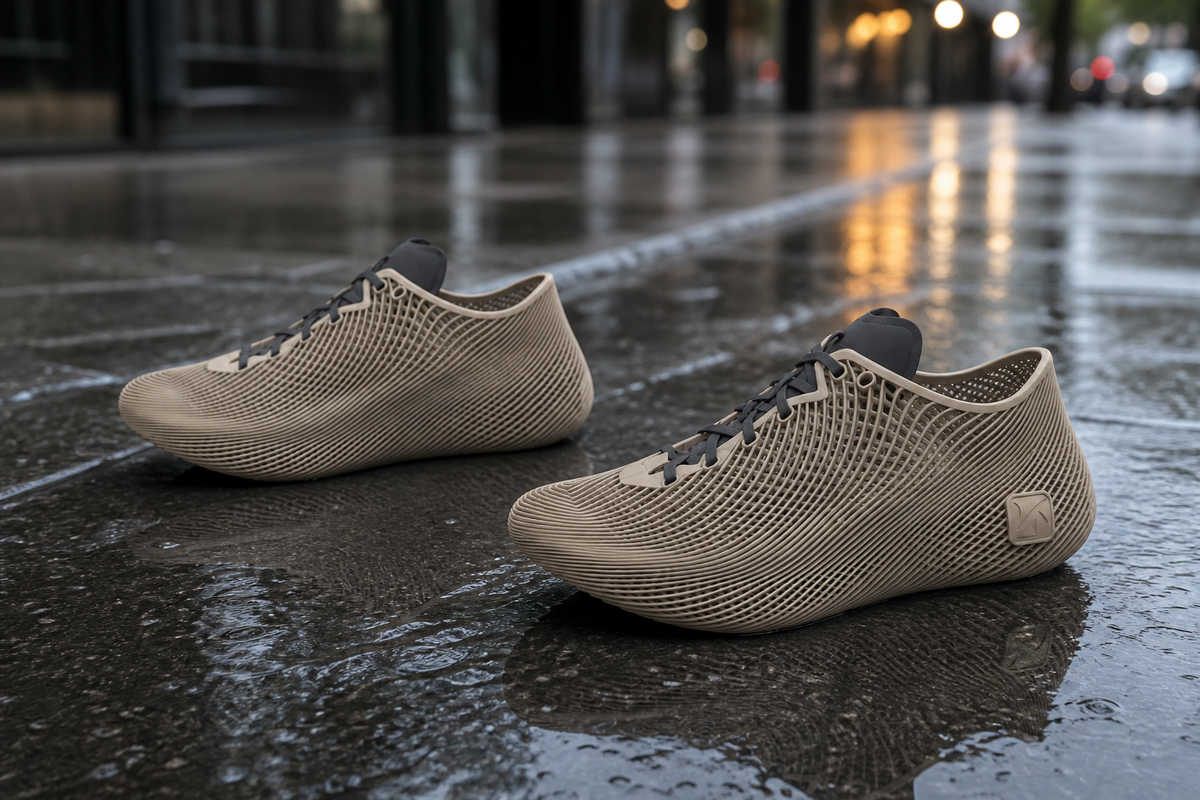
تعتمد صناعة الأحذية التقليدية على القوالب. تبقى هياكل النعل الأوسط من الفوم الصلب أو شبه الصلب. تصنف قدرة الأحذية الرياضية التقليدية على التنفس إلى 5 مستويات. تتجاوز الأحذية ثلاثية الأبعاد القائمة على الشبكة هذا السقف. قد تصل التقييمات المتوقعة إلى المستوى التاسع. تتيح الطباعة المضافة هندسة شبكية معقدة. تحقق بعض التصميمات نسبة فراغات تصل إلى 96%. مثل هذه الانفتاحية مستحيلة في الإنتاج التقليدي. لم تعد القدمين تستقر على فوم كثيف. بل توجد داخل نظام كامل لتدوير الهواء.
ميزة طبيعية للمواد غير الماصة
العرق نفسه لا يحمل رائحة. تتشكل الرائحة بعد امتصاصها بواسطة المواد التقليدية. تتسبب البكتيريا في هذه العملية. غالبًا ما تستخدم الأحذية الرياضية المطبوعة ثلاثية الأبعاد مادة TPU أو راتنجات البوليمر الضوئي. تقاوم هذه المواد امتصاص الماء. يمنع السلوك الكاره للماء احتفاظ العرق. يتم تعطيل ظروف تكوين الرائحة من المصدر.
الدليل العلمي: من البحث المخبري إلى الاستخدام الحقيقي
يسلط بحث نُشر في Frontiers in Public Health الضوء على دراسة بنية شبكية أيوكسيتيكية. تقلل التصميمات ذات نسبة بواسون السالبة الضغط الأخمصي. يزداد التلامس السطحي مع الهواء. يصبح توزيع الحرارة أكثر تجانسًا. تقل النقاط الساخنة المحلية. تتحسن الراحة بشكل ملحوظ للمستخدمين الذين يتعاملون مع التهيج المرتبط بالعرق.

خيارات الأحذية الأكثر تهوية: من يحدد المستقبل؟
هل تبحث عن أحذية تجمع بين تدفق الهواء والأناقة والراحة؟ تبرز العديد من الموديلات. تقدم هذه الأحذية الرياضية ثلاثية الأبعاد القائمة على الشبكة أداءً قويًا.
أديداس 4D: تهوية تعتمد على البيانات
تتعاون أديداس مع Carbon. تشغل تقنية Digital Light Synthesis (DLS) سلسلة 4D. يحول تصميم شبكي مميز القوة الرأسية إلى حركة للأمام. يحسن الشكل الهندسي المفتوح تدفق الهواء. يكتسب الرياضيون أداء تهوية متقدمًا.
ARKKY: راحة مدعومة بالذكاء الاصطناعي في أقصى الحدود
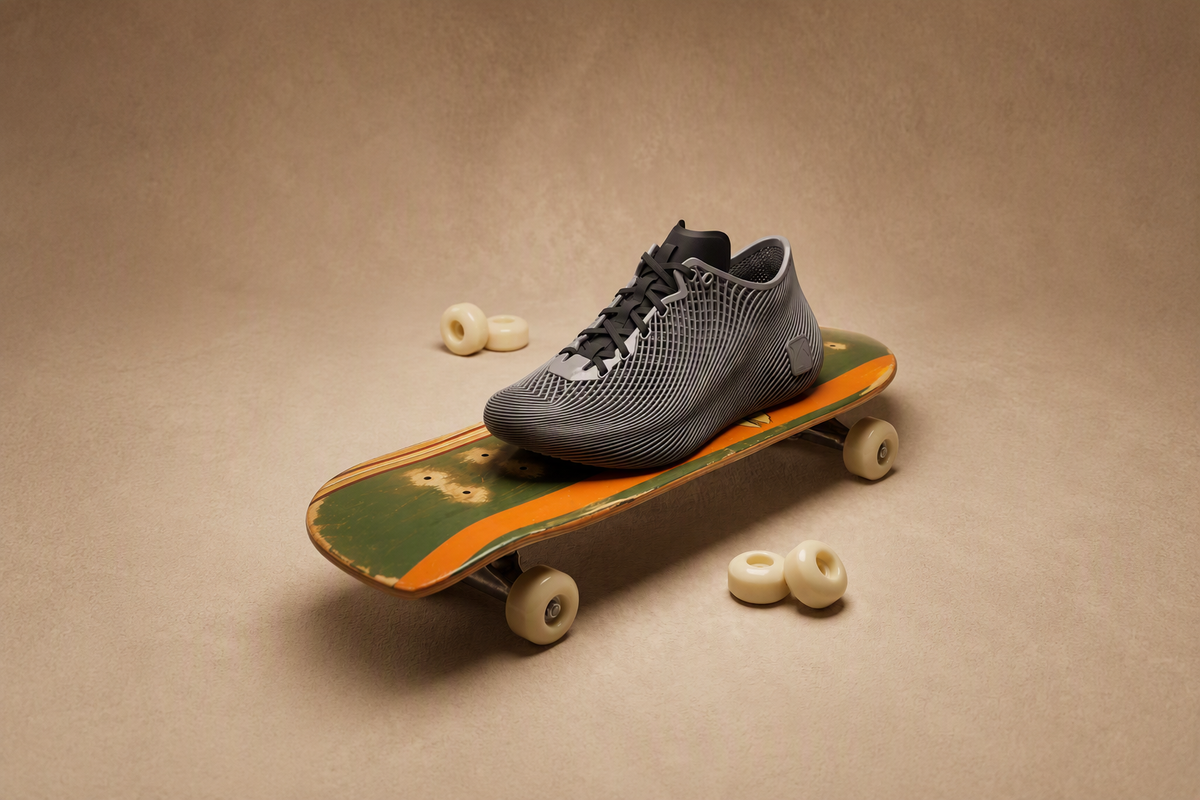
ARKKY تقود قطاع 2026. تزيد تقنية HALS المدعومة بالذكاء الاصطناعي سرعة الإنتاج بشكل كبير. تم تصميم أحذية الشبكة للاستخدام حافية القدمين. تتضمن خطوط المنتجات فئات المنزل والرياضة والشارع. يتم تغطية السيناريوهات اليومية بالكامل. يقلل المعالجة السطحية بالراتنج المتخصص الاحتكاك. تقل البثور والتهيج لمستخدمي فرط التعرق.

ASICS Actibreeze: مصممة للتعافي
تركز ASICS على التعافي بعد النشاط. تستهدف خط Actibreeze "التعافي التنفسي". تزيد الهندسة الشبكية السميكة من تبديد الحرارة. تعود القدمين إلى حالة الجفاف بشكل أسرع بعد التمارين المكثفة.
الصيانة والنظافة: راحة لمستخدمي الأقدام المتعرقة
تظل الصيانة بسيطة. يتميز تصميم هذه الأحذية بقطعة واحدة. تقاوم المواد امتصاص الماء. يصبح الشطف المباشر ممكنًا. لا توجد طبقات غراء. لا توجد هياكل تكديس معقدة. يحدث التجفيف بسرعة. يصبح التنظيف المتكرر سهلاً. تشعر هذه الميزة بأنها تحولية لمستخدمي فرط التعرق. كما أنها تفيد الأشخاص الذين يتجنبون الجوارب. خيار مثالي لمرتدي الأحذية بدون جوارب.

المزيد من النصائح للحفاظ على قدميك باردة وجافة
يمكن أن تحسن العادات الإضافية الراحة. الروتين اليومي مهم. تعزز التعديلات الصغيرة أداء تدفق الهواء.
- اختر جوارب ماصة للرطوبة: تسحب الجوارب المتخصصة العرق بعيدًا عن الجلد. يتحسن الجفاف. تزداد الراحة أثناء الارتداء.
- استخدم بودرة القدم أو مضاد التعرق: يمكن أن تشمل الرعاية اليومية هذه المنتجات. يتحسن التحكم في الرطوبة. تبقى الرائحة تحت السيطرة. يدوم الانتعاش لفترة أطول.
- خذ فترات راحة عند الوقوف لفترة طويلة: يسمح الراحة بتعرض تدفق الهواء. يمكن خلع الأحذية لفترة وجيزة. تتحسن الراحة بشكل ملحوظ.
- تجنب الأحذية الضيقة: الملاءمة المناسبة مهمة. المساحة الكافية تسمح بالحركة الطبيعية. يتحسن تدفق الهواء. يقل تراكم الحرارة.
الخاتمة
تتجاوز الأحذية الرياضية المطبوعة ثلاثية الأبعاد مجرد الضجة. تلعب الرؤية الاجتماعية دورًا. التغيير الوظيفي أهم. يتم إعادة تعريف البنية الفيزيائية. تجد قضايا الحرارة والرطوبة حلًا علميًا. بالنسبة لظروف الطقس الحار، تقدم هذه الأحذية الشبكية أداءً قويًا. يظهر خيار موثوق للحفاظ على جفاف القدمين.
يشارك:
دليل شراء أحذية الجري للمبتدئين لعام 2026: كيف يمكن للعدائين المبتدئين اختيار أحذية المستوى الأول المناسبة (للجنسين)
أفضل الأحذية الرياضية القابلة للتنفس لعام 2026