

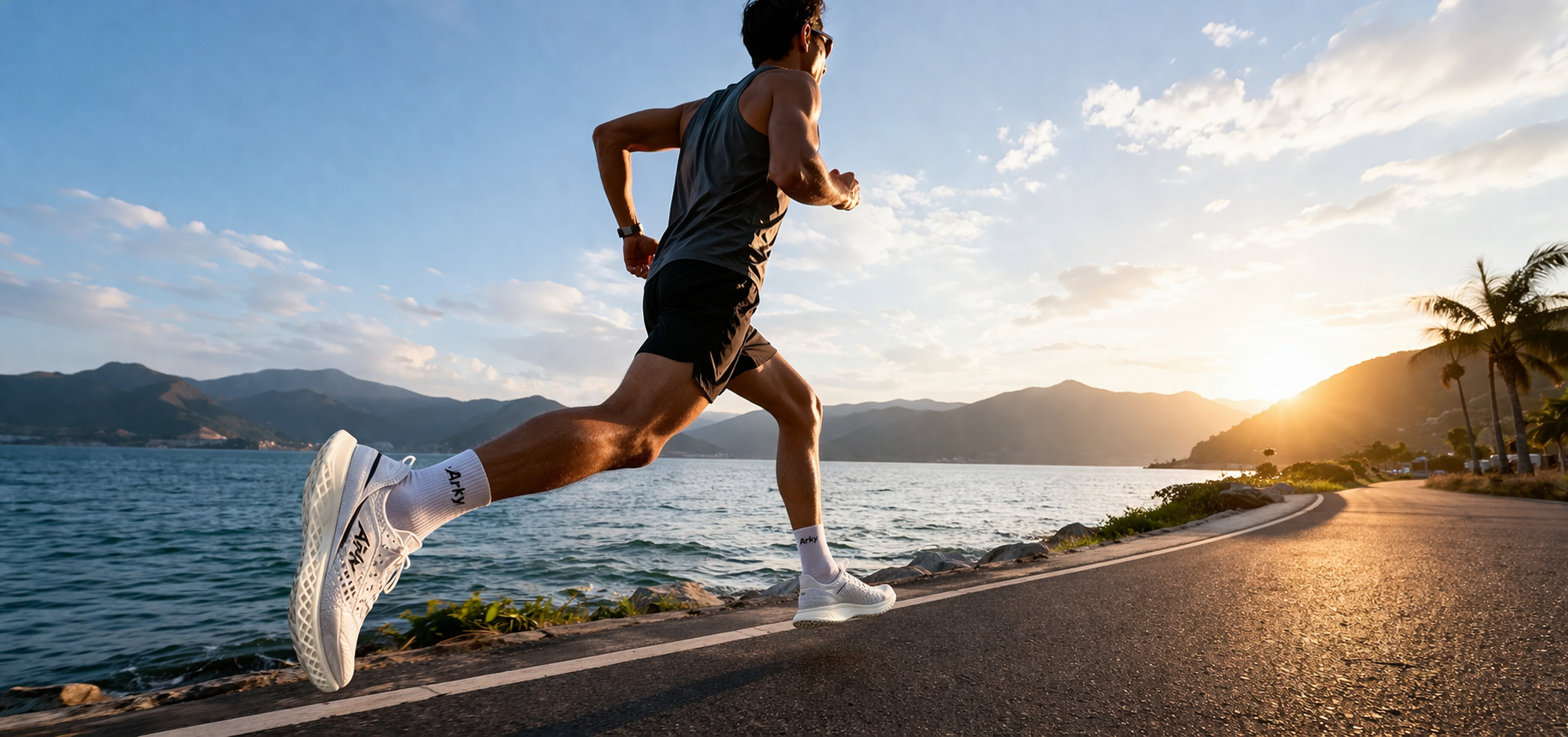
بصفتي عداءً مخضرمًا يتمتع بخبرة تقارب العشر سنوات، فقد قمت بحساب تقريبي بأنني ارتديت أكثر من اثني عشر زوجًا من أحذية الجري. من خلال هذه المقالة، أود أن أشارك المعرفة والخبرة التي اكتسبتها على مر السنين مع الجميع، على أمل مساعدة المبتدئين مثلك في العثور على زوج من أحذية الجري التي تناسبهم جيدًا. إذا كنت لا ترغب في قراءة الجزء التمهيدي، فلا تتردد في الانتقال مباشرة إلى أحدث دليل شراء أدناه. بعد قراءة المقال بأكمله، ستحصل على:
- فهم سريع للنقاط المعرفية الأساسية حول أحذية الجري
- نصائح عملية واستراتيجيات لتجنب الأخطاء عند شراء أحذية الجري
- طريقة سريعة للعثور على أحذية الجري المناسبة للمبتدئين
يقدم القسم التالي نظرة عامة مفصلة عن المعلومات الأساسية ونصائح الشراء لأحذية الجري، والمصممة لمساعدتك في اختيار الزوج المثالي لاحتياجاتك.
لمحة موجزة عن أحذية الجري
هيكل حذاء الجري
يشعر الكثير من الناس بالارتباك عند اختيار أحذية الجري لأنهم لا يفهمون التركيب المحدد للحذاء، وغالبًا ما يغمرهم سيل المصطلحات التقنية من مختلف العلامات التجارية. لذلك، لاختيار زوج أحذية الجري المناسب لك، تحتاج أولاً إلى فهم التركيب الأساسي لحذاء الجري.
أدناه، سأستخدم حذاء Asics Kayano 19 كمثال لتفكيك كل جزء من حذاء الجري، حتى تتمكن من الحصول على فهم واضح لتشريحه.

1. النعل الأوسط (Midsole)
الموضع: الطبقة الوسطى بين النعل الخارجي والجزء العلوي
المؤشرات الرئيسية: الدعم، الاستجابة، التوسيد، خفة الوزن
النعل الأوسط هو جوهر حذاء الجري. تحدد جودته بشكل مباشر ما إذا كان الحذاء جيدًا أم لا. في رأيي، يجب أن يكون النعل الأوسط الرائع خفيف الوزن ونطاطًا - فهو يوفر امتصاصًا فعالًا للصدمات مع تحويل قوة الصدمة إلى دفع أمامي، مما يوفر حماية جيدة للركبتين.
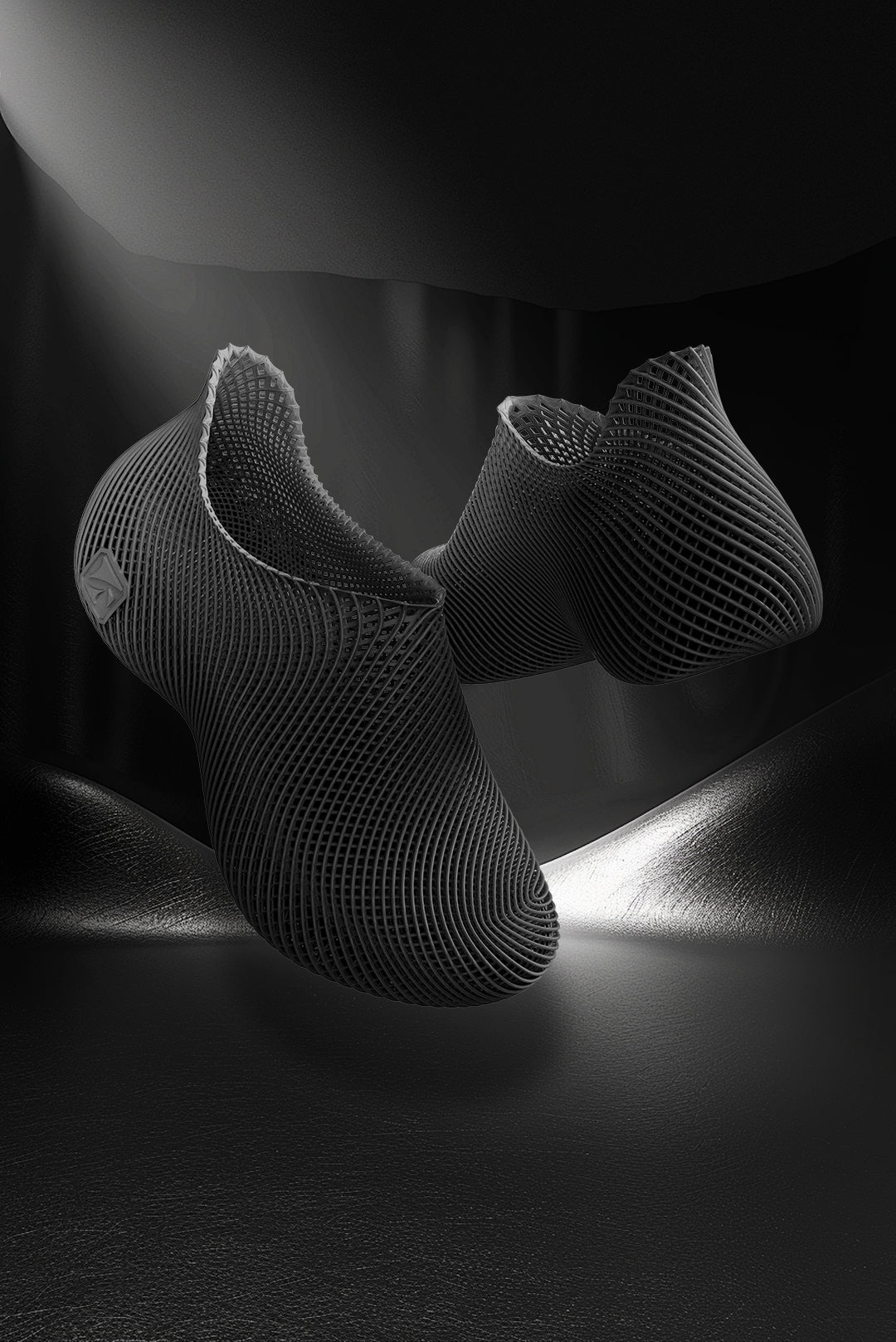
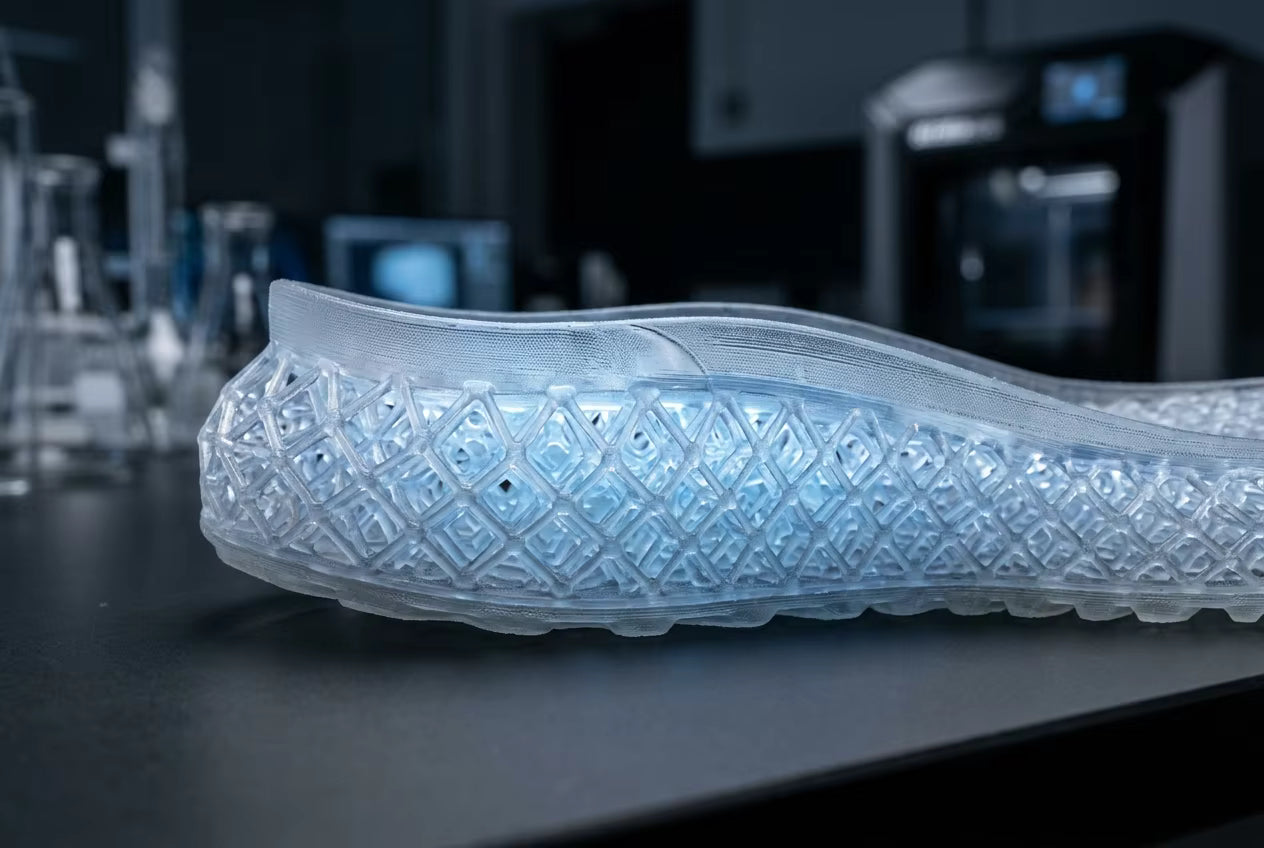
النعل الأوسط هو أيضًا المكان الذي تستثمر فيه العلامات التجارية الكبرى لأحذية الجري بكثافة في البحث والتطوير. تشمل تقنيات النعل الأوسط الشائعة حاليًا Asics FlyteFoam، وNike React، وAdidas Boost، وLi-Ning LightFoam، وMizuno U4ic. قدمت أديداس أيضًا نعالًا أوسطًا مطبوعة ثلاثية الأبعاد مثل سلسلتي Futurecraft 4D و 4DFWD، وسلسلة Arkky Full. أطلقت نايكي سلسلتي Air Max 1000 و Air Max 95000.
تعرف على المزيد حول أحذية الجري المطبوعة ثلاثية الأبعاد.

2. النعل الخارجي (Outsole)
الموضع: الجزء السفلي من الحذاء الذي يلامس الأرض مباشرة
المؤشرات الرئيسية: المتانة (مقاومة التآكل)، القبضة
النعل الخارجي، والذي يسمى أيضًا "القاعدة الكبيرة"، هو الجزء الذي يلامس الأرض. المعايير الرئيسية لتقييم النعل الخارجي هي مقاومة الانزلاق ومقاومة التآكل. إذا كان النعل الخارجي يفتقر إلى قبضة كافية، خاصة على الطرق الرطبة أو الثلجية، يمكن للعدائين الانزلاق والسقوط بسهولة. لتحسين القبضة، تتميز معظم أحذية الجري بأنماط مداس مختلفة. لتعزيز المتانة، يُستخدم المطاط عادة كمادة أساسية. تشمل النعال الخارجية التمثيلية Asics AHAR و Mizuno X10، وكلاهما معروف بمقاومته الممتازة للتآكل.
3. دعامة الكعب (Heel Counter)
الموضع: الجزء الخلفي الذي يلف ويثبت الكعب
المؤشرات الرئيسية: الثبات، الدعم، الراحة
الوظيفة الرئيسية لدعامة الكعب هي تثبيت الكعب ومنعه من الانزلاق داخل الحذاء. من الأمثلة الجيدة على ذلك نظام HEEL CLUTCHING من أسيكس، والذي يوفر ملاءمة آمنة ومريحة دون انزلاق أو التسبب في تقرحات.

4. الجزء العلوي (Upper)
الموضع: الجزء العلوي من الحذاء الذي يلتف حول القدم
المؤشرات الرئيسية: الملاءمة/الالتفاف، التهوية، تقليل الاحتكاك
الجزء العلوي هو المكون الأساسي الذي يغطي الجزء العلوي من الحذاء. يجب أن يوفر التفافًا آمنًا حول القدم، تهوية جيدة، وامتصاصًا للعرق، مع توفير دعم كافٍ. مثل النعل الأوسط، تبتكر العلامات التجارية باستمرار في مواد الجزء العلوي. تشمل التقنيات الشائعة الشبكة المهندسة (engineered mesh)، والنسيج الجاكار (jacquard weave)، وNike Flywire، وMizuno AIRmesh.
5. صندوق الأصابع (Toe Box)
الموضع: الجزء الأمامي من الحذاء
المؤشرات الرئيسية: الراحة، تقليل الاحتكاك
صندوق الأصابع هو الجزء الأمامي من الحذاء. يمتد النعل الخارجي عادة إلى هذه المنطقة. لمنع اصطدام الأصابع وتوفير مساحة داخلية أكبر لمقدمة القدم، غالبًا ما تضاف مواد داعمة. تقدم علامات تجارية مثل Asics و New Balance إصدارات 2E و 4E ذات الملاءمة العريضة. توفر هذه الإصدارات مساحة إضافية في مقدمة القدم، مما يجعلها أكثر راحة للعدائين ذوي الأقواس المنخفضة أو الأقدام العريضة، دون الشعور بالضيق.

6. الياقة (Collar)
الموضع: منطقة فتحة الحذاء
المؤشرات الرئيسية: الراحة، مقاومة الانزلاق، الثبات
الياقة هي الفتحة العلوية للحذاء، والتي تؤثر على مدى سهولة ارتدائه وخلعه. الياقة المصممة جيدًا تجعل الحذاء مريحًا للارتداء وتساعد على الثبات العام وتثبيت الكعب.
7. اللسان (Tongue)
الموضع: الجزء الموجود تحت الأربطة وفوق مشط القدم
المؤشرات الرئيسية: سهولة الاستخدام، تقليل الاحتكاك
تم تصميم اللسان لتسهيل ارتداء وخلع الحذاء مع تثبيت مشط القدم. بالنسبة للعدائين - خاصة أولئك الذين يركضون لمسافات طويلة أو فائقة - فإن اللسان الثابت الذي لا يتحرك مهم جدًا للحفاظ على شكل الجري الجيد ومنع تقرحات الجزء العلوي من القدم.

8. الأربطة (Laces)
الموضع: الأشرطة التي تثبت اللسان وجانبي الجزء العلوي
المؤشرات الرئيسية: التحكم في الشد، مقاومة الارتخاء
الأربطة تثبت اللسان بشكل أساسي بحيث تظل القدم ملفوفة بإحكام داخل الحذاء. هناك بعض الحيل المفيدة لربط الأربطة لا تمنع الأربطة من الارتخاء أثناء الجري فحسب، بل تساعد أيضًا في تثبيت اللسان في مكانه. تستخدم العديد من العلامات التجارية الآن الأربطة المرنة، والتي توفر قبضة جيدة ومتانة وتثبيتًا ممتازًا.
9. البطانة الداخلية / النعل الداخلي (Sockliner / Insole)
الموضع: الوسادة الناعمة داخل الحذاء
المؤشرات الرئيسية: التهوية، الملاءمة، التوسيد، التحكم في الاحتكاك
لتعزيز التوسيد وامتصاص الصدمات، يتم تصميم البطانة الداخلية (النعل الداخلي القابل للإزالة) بعناية أيضًا. عادة ما تكون قابلة للتنفس، ومرنة قليلاً، ومستقرة، ومقاومة للانزلاق، بينما تحسن بشكل كبير الراحة العامة وملمس القدم.
فئات أحذية الجري
بعد أكثر من قرن من التطور - خاصة التقدم السريع في العقود الأخيرة - تطورت أحذية الجري لتصبح سوقًا متنوعًا للغاية مع العديد من العلامات التجارية، والفئات الواسعة، ومجموعة واسعة من الوظائف. يمكن تقسيمها بشكل عام إلى ثلاثة أنواع رئيسية: توسيد (محايد)، ثبات، وتحكم في الحركة.
1. أحذية التوسيد (المحايدة) (Cushioning (Neutral) Shoes)
هذه الأحذية مناسبة بشكل عام للعدائين ذوي الأقواس العادية، الدوران الطبيعي (pronation)، الأقواس العالية، أو الدوران الزائد للخارج (under-pronation/supination/foot inversion).
نماذج تمثيلية
 Asics Gel-Nimbus 22
 Arkky Aerodash running shoes
2. أحذية الثبات (Stability Shoes)
هذه الأحذية مناسبة بشكل عام للعدائين ذوي الأقواس العادية والدوران الطبيعي، أو أولئك الذين يعانون من أقواس منخفضة خفيفة ودوران زائد خفيف للداخل (overpronation خفيف). توفر دعمًا معتدلًا لمنطقة القوس وتقدم بعض التوجيه التصحيحي للكعب.
نماذج تمثيلية

Asics Gel-Kayano 25
3. أحذية التحكم في الحركة (Motion Control Shoes)
هذه الأحذية مناسبة بشكل عام للعدائين ذوي الأقواس المنخفضة الشديدة أو الأقدام المسطحة، والدوران الزائد الكبير للداخل (overpronation شديد). ومع ذلك، فإن العدائين الذين لديهم هذا النوع من القدم ونمط الدوران نادرون نسبيًا. قد تكون مناسبة أيضًا للعدائين الذين عانوا سابقًا من إصابات في القدم، أو أولئك الذين يعانون من زيادة الوزن، أو أي شخص يحتاج إلى دعم إضافي. الغرض الرئيسي هو الحماية والوقاية من الإصابات.
نماذج تمثيلية

Mizuno Wave Alchemy 12
تصنيف أنواع القدم
في القسم السابق حول فئات أحذية الجري، شددنا على أهمية مطابقة الأحذية لنوع القدم. قد يتساءل العديد من المبتدئين عن نوع قدمهم. أدناه، سنشرح بعبارات بسيطة كيفية تحديد نوع قدمك.
1. قياس بيانات قدمك
الطريقة الأولى: تحتوي العديد من متاجر المعدات الرياضية المتخصصة على ماسحات ضوئية ثلاثية الأبعاد للقدم. يمكن للمسح السريع أن يوفر نتائج دقيقة.
الطريقة الثانية: ورقة وقلم وشريط قياس ناعم.
- قف حافي القدمين على قطعة ورقة وارسم محيط قدمك بقلم.
- ارسم خطًا مستقيمًا يربط أطول إصبع قدم بالنقطة الأبرز من الكعب. قم بقياس المسافة بين هاتين النقطتين - هذا هو طول قدمك.
- ارسم خطًا مستقيمًا يربط أوسع النقاط على جانبي مقدمة القدم وقم بقياس عرضها.
- استخدم شريط قياس ناعم للالتفاف حول كرة القدم (منطقة مشط القدم) لقياس المحيط.
الرجوع إلى الرسم البياني أدناه:

2. تحديد نوع دورة القدم لديك (Pronation Type)
الخطوة 1: تحديد نوع قوس القدم

يمكنك إجراء اختبار بسيط للقدم الرطبة في المنزل لتحديد نوع قوس قدمك. بمجرد أن تعرف نوع قوس قدمك، ادمجه مع تقييم دورة القدم أدناه لاختيار أحذية الجري المناسبة بسهولة.
الخطوة 2: تقييم دورة القدم أثناء الجري دورة القدم الطبيعية
دورة القدم الطبيعية (Normal Pronation)

في الجري الطبيعي، يظل الكعب وأصابع القدم متماشية في نفس المستوى. يمكن للعدائين ذوي دورة القدم الطبيعية بشكل عام ارتداء معظم أنواع أحذية الجري ويجب عليهم الاختيار بناءً على احتياجاتهم وتفضيلاتهم الشخصية.
دورة القدم الزائدة للخارج (Underpronation / Supination / Foot Inversion)

يدفع أصحاب دورة القدم الزائدة للخارج في الغالب بالحافة الخارجية للقدم أثناء الجري، مع تركز القوة على الكعب والجانب الخارجي. لحظة ملامسة القدم للأرض، يميل الكاحل والكعب، مما يؤدي إلى زاوية أصغر بين الكعب الخارجي والأرض، أو عدم كفاية الدوران الطبيعي. تنتقل القوة نحو الجزء الخارجي من القدم.
تنتقل الصدمة من الأرض عبر الجزء السفلي من الساق إلى الجسم. عندما تغادر النعل الأرض، يكون الضغط في الغالب على الجزء الخارجي من القدم.
أصحاب دورة القدم الزائدة للخارج أكثر عرضة للألم في الجزء الخارجي من القدم، وعظم الشظية، والكاحل.
بالنظر إلى تآكل الحذاء، يظهر الجانب الخارجي من النعل الخارجي تآكلًا أكثر وضوحًا. بعد الاستخدام طويل الأمد، قد يبدو الحذاء أيضًا مائلاً إلى الخارج عند وضعه على سطح مستوٍ (يتجاوز التآكل الخارجي بكثير التآكل الداخلي).
عادة ما لا يركض هؤلاء العدائون بسرعات عالية جدًا ويفتقرون إلى الدعم الطبيعي للقوس، لذلك يحتاجون إلى توسيد جيد. هذه الحالة أكثر شيوعًا بين الأشخاص ذوي الأقواس العالية. للركض بشكل أسرع، اختر أحذية ذات توسيد ممتاز وامتصاص للصدمات.
دوران القدم الزائد للداخل (Overpronation / Foot Eversion)

عكس دوران القدم الزائد للخارج هو دوران القدم الزائد للداخل. الغالبية العظمى من العدائين ذوي "الأقواس المنخفضة" (المعروفة باسم الأقدام المسطحة) يعانون من دوران القدم الزائد للداخل.
في أصحاب دوران القدم الزائد للداخل، تنتقل القوة إلى الداخل عند ملامسة القدم للأرض، وتتدحرج الركبتان إلى الداخل بشكل مفرط، وتصبح الزاوية بين الكعب الخارجي والأرض أكبر. ينتقل وزن الجسم إلى الجانب الداخلي من القدم بدلاً من مقدمة القدم.
عندما تغادر النعل الأرض، يتركز الضغط بشكل أكبر على إصبع القدم الكبير والإصبع الثاني.
أصحاب دوران القدم الزائد للداخل أكثر عرضة لألم في الساق، والكاحل، والقوس، وأصابع القدم، وكرة القدم، والنعل.
من أنماط تآكل الحذاء، يكون التآكل ملحوظًا بشكل خاص على الكعب الخارجي، ومقدمة القدم، وخاصة منطقة إصبع القدم الكبير.
نظرًا لأن الجزء الداخلي من القدم يتحمل حملاً أكبر ويكون الثبات ضعيفًا، يمكن أن يكون الجري أكثر إرهاقًا وقد يؤثر على السرعة.
هذه الحالة أكثر شيوعًا لدى الأشخاص ذوي الأقدام المسطحة أو الأقواس المنخفضة. يوصى باختيار أحذية ذات ثبات جيد.
ملخص (راجع الرسم البياني أدناه):

إذا لم تكن متأكدًا من نوع دوران قدمك، ألق نظرة على أحذية الجري القديمة المستهلكة. يمكن أن تساعدك أنماط التآكل المحددة في تحديد دوران قدمك وتوجيهك نحو الفئة الصحيحة من أحذية الجري.
3. اختر وفقًا لوزن جسمك
هنا نشير إلى مخطط اختيار أحذية الجري بناءً على وزن الجسم من أسيكس، والذي ينطبق أيضًا بشكل عام على العلامات التجارية الأخرى.
مخطط اختيار أحذية الجري للرجال بناءً على وزن الجسم

مخطط اختيار أحذية الجري للنساء بناءً على وزن الجسم

من خلال قياس بيانات قدمك، وتحديد نوع قوس قدمك، وتقييم دورة قدمك أثناء الجري، ومراعاة وزن جسمك، ستكون مستعدًا جيدًا لاختيار زوج من أحذية الجري التي تناسبك تمامًا.
كيفية اختيار أحذية الجري المناسبة
بعد المقدمة الأساسية لمعرفة أحذية الجري أعلاه، يجب أن يكون لدى العديد من المبتدئين الآن فهم أفضل لأحذية الجري وكيفية اختيارها بناءً على نوع القدم ووزن الجسم. بعد ذلك، دعنا نتعمق في الجوانب العملية لكيفية شراء أحذية الجري بالفعل.
فيما يلي النقاط الرئيسية التي يجب مراعاتها:
1. ما هي ميزانيتك؟
تحدد ميزانيتك بشكل مباشر نوع أحذية الجري التي يمكنك اختيارها.
حاليًا، تتراوح أسعار أحذية الجري في السوق من حوالي 60 إلى 300 دولار أمريكي.
بشكل عام، كلما ارتفع السعر، كلما كانت التكنولوجيا أكثر تقدمًا، والتصميم أكثر جاذبية، والأهم من ذلك، كانت الحماية التي توفرها لقدميك وركبتيك أفضل.

من تجربتي الشخصية، إذا سمحت ميزانيتك، أوصي بشدة بالبدء بحذاء جري من الفئة العليا (الممتازة) منذ البداية.
في تجربتي الواقعية، كلما كان الحذاء أفضل، كانت الحماية التي يوفرها للعداء أفضل.
لقد ارتديت أحذية من جميع الفئات السعرية، والزوج الذي أركض به حاليًا هو Asics Gel-Kayano 25. سواء للمسافات القصيرة أو الطويلة، يمكنني أن أشعر بوضوح بالحماية الممتازة لكل من ركبتي وقدمي بعد كل جولة.
السبب الرئيسي الذي يجعلني أقترح على المبتدئين اختيار حذاء من الفئة العليا هو أنك كعداء مبتدئ، قد لا تفهم بعد شكل جريتك أو كيف يستجيب جسمك. يوفر الحذاء عالي الجودة حماية فائقة، ويساعد على تقليل مخاطر الإصابة، ويمكن أن يعزز ثقتك بشكل كبير لمواصلة الجري.
2. أين تجري؟
من خلال المخططين أعلاه لاختيار الأحذية بناءً على وزن الجسم، من الواضح أن سطح الجري يلعب أيضًا دورًا مهمًا في اختيار الأحذية المناسبة.
من حيث الظروف المثالية (من الأفضل إلى الأسوأ)، الترتيب هو: مسار صناعي > مسارات ترابية > أسفلت > خرسانة > ألواح حجرية.
مسار صناعي (مضمار جري مطاطي)
هذا هو السطح الأكثر مثالية. يتمتع بمرونة أعلى بكثير من التراب أو الأسطح الأخرى، ويمتص قوى الصدمة على الجسم بشكل فعال ويقلل من خطر إصابة القدمين والركبتين. على المضمار، يمكنك اختيار أي حذاء جري عادي تقريبًا.

المسارات الترابية
المسارات الترابية تتميز بليونة وصلابة معتدلة، مما يوفر توسيدًا طبيعيًا دون تأثير مفرط. إنها أسطح طبيعية ممتازة، على الرغم من أنها قد تكون غير مستوية وتميل إلى تلطيخ حذائك. تمامًا كما هو الحال في المضمار الاصطناعي، عادةً ما تكون أحذية الجري العادية كافية.
الطرق الإسفلتية والخرسانية
هذان هما السطحان اللذان يصادفهما معظم العدائين بانتظام. وكلاهما أسطح صلبة. يمكن أن يؤدي الجري لمسافات طويلة عليهما إلى تراكم الإجهاد وزيادة خطر الإصابة، لذلك توضع متطلبات أعلى على التوسيد والحماية في أحذية الجري الخاصة بك.
الألواح الحجرية / مسارات البلاط المرصوف
هذه أسوأ حتى من الإسفلت أو الخرسانة. وبصراحة، إنها غير مناسبة للجري بسبب أسطحها غير المستوية والمتعرجة وغير المنتظمة.
يوصى بشدة بتجنب الجري على المسارات المرصوفة بالألواح الحجرية. إذا لم يكن لديك خيار آخر، فارتدِ على الأقل زوجًا من أحذية الجري عالية الجودة للحصول على حماية أفضل.
3. كم هي المسافة التي تجريها في كل مرة؟
مسافة الجري هي عامل مهم آخر يجب مراعاته عند شراء أحذية الجري.
عادة ما يتتبع العداؤون المتمرسون أميالهم الأسبوعية أو الشهرية - على سبيل المثال، 30 كم أو 60 كم في الأسبوع، أو 120 كم أو 180 كم في الشهر. بالطبع، يمكنك أيضًا وضع خطتك الخاصة بناءً على وضعك الفعلي، مثل الجري لمسافة 3 كم أو 5 كم في الجلسة الواحدة، 3 أو 5 مرات في الأسبوع.
بالنسبة للمبتدئين، لا أوصي عمومًا بزيادة المسافة بسرعة. للبقاء آمنًا، ابدأ بمسافات قصيرة وقم بالبناء تدريجيًا. على سبيل المثال: ابدأ بـ 3 كم، ثم زدها إلى 5 كم بعد أسبوعين، ثم انتقل إلى 7-8 كم، ثم إلى 10 كم. قم دائمًا بزيادة الحجم تدريجيًا وفقًا لشعور جسمك. الزيادة المفرطة يمكن أن تؤدي بسهولة إلى التعب والإصابة.

هذا سبب آخر يجعلني أوصي المبتدئين باختيار أحذية الجري عالية الجودة إن أمكن. قد يزيد المبتدئون مسافتهم دون قصد بسرعة كبيرة. قد تبدو جولة أو جولتان جيدتين، ولكنها يمكن أن تؤدي بسرعة إلى الإصابة. يوفر الحذاء عالي الجودة حماية أفضل ويساعد على تقليل خطر الإصابة.
باختصار، إذا سمحت ميزانيتك، يجب على المبتدئين شراء زوج أفضل من أحذية الجري. عند البدء، تجنب دفع المسافة بقوة مفرطة. بدلاً من ذلك، تقدم تدريجيًا، زد الأميال خطوة بخطوة، وقم بالبناء ببطء إلى جولات أطول وأبعد.
4. اعتبارات رئيسية عند شراء أحذية الجري
اختر أحذية الجري أكبر بنصف مقاس أو بمقاس كامل
تمامًا كما هو الحال مع الأحذية العادية، يجب عليك اختيار أحذية جري سهلة الارتداء والخلع. علاوة على ذلك، من الأفضل اختيارها أكبر بنصف مقاس أو بمقاس كامل. بسبب قوة الدفع الأمامية أثناء الجري، من المهم ترك بعض المساحة في مقدمة الحذاء حتى لا تشعر أصابع قدميك بالضيق أو الضغط. العداؤون الذين أكملوا ماراثونًا كاملاً يعرفون أنه إذا كانت الأحذية ضيقة جدًا، فمن الشائع أن ينتهي بهم الأمر بظفر قدم مشقوق أو حتى مفقود بعد السباق. بالطبع، إذا كانت جولاتك المعتادة قصيرة، فلست بحاجة بالضرورة إلى زيادة المقاس.

كيف يجب على العدائين ذوي الوزن الثقيل اختيار أحذية الجري
بالمقارنة مع العدائين الأخف وزنًا أو ذوي الوزن الطبيعي، فإن العدائين ذوي الوزن الثقيل لديهم متطلبات أكثر صرامة بكثير لأحذية الجري. في معظم الحالات، يحتاجون إلى مزيج من جميع الأنواع الثلاثة الرئيسية للأحذية: توسيد جيد، وثبات قوي، والتحكم في الحركة. هناك نكتة سريعة في مجتمع الجري تقول إنك إذا أردت اختبار مدى جودة الحذاء حقًا، فما عليك سوى إعطائه لعداء أثقل وزنًا لترى كيف يتحمل.
ومع ذلك، إذا كان وزنك مفرطًا للغاية، فمن المستحسن بشدة أن تتجنب الجري في الوقت الحالي. قد يضع الجري الكثير من الضغط على ركبتيك وقدميك، مما يؤدي إلى الإصابة ويجعل الجهد غير مجدٍ. من الأفضل أن تعمل أولاً مع منظمة متخصصة في إنقاص الوزن الرياضي، باستخدام التدريب العلمي والنظام الغذائي المناسب لإنقاص الوزن بأمان. بمجرد أن تصل إلى وزن صحي، سيكون الجري جيدًا تمامًا.
5. صيغة القيمة مقابل المال لأحذية الجري
بناءً على كل ما نوقش أعلاه، إليك صيغتي الشخصية للقيمة مقابل المال عند شراء أحذية الجري:
حذاء الجري = سمعة العلامة التجارية × الميزانية × نوع القدم × وزن الجسم × سطح الجري × مسافة الجري
- سمعة العلامة التجارية: تضمن الجودة والموثوقية
- الميزانية: تحدد خيارات الشراء النهائية
- نوع القدم ووزن الجسم: العوامل الذاتية الرئيسية التي تؤثر على اختيارك
- سطح الجري والمسافة: العوامل الموضوعية الرئيسية التي تؤثر على اختيارك
تغطي هذه العوامل الستة الرئيسية كل ما يؤثر على اختيار أحذية الجري وفقًا لخبرتي. من خلال مراعاة جميع هذه العوامل، يجب أن تكون قادرًا على اختيار زوج من أحذية الجري التي ترضيك حقًا.
لذلك، عند الشراء، أوصي بالبدء بـ ميزانيتك الفعلية، وإعطاء الأولوية للعلامات التجارية المعروفة لأحذية الجري، ثم دمج نوع قدمك، ووزن جسمك، وسطح الجري، والمسافة النموذجية لاتخاذ أفضل قرار ممكن!
هذا يختتم ملخصي الكامل لمعرفة أحذية الجري ونصائح الشراء. آمل أن يساعد جميع العدائين المبتدئين هناك.
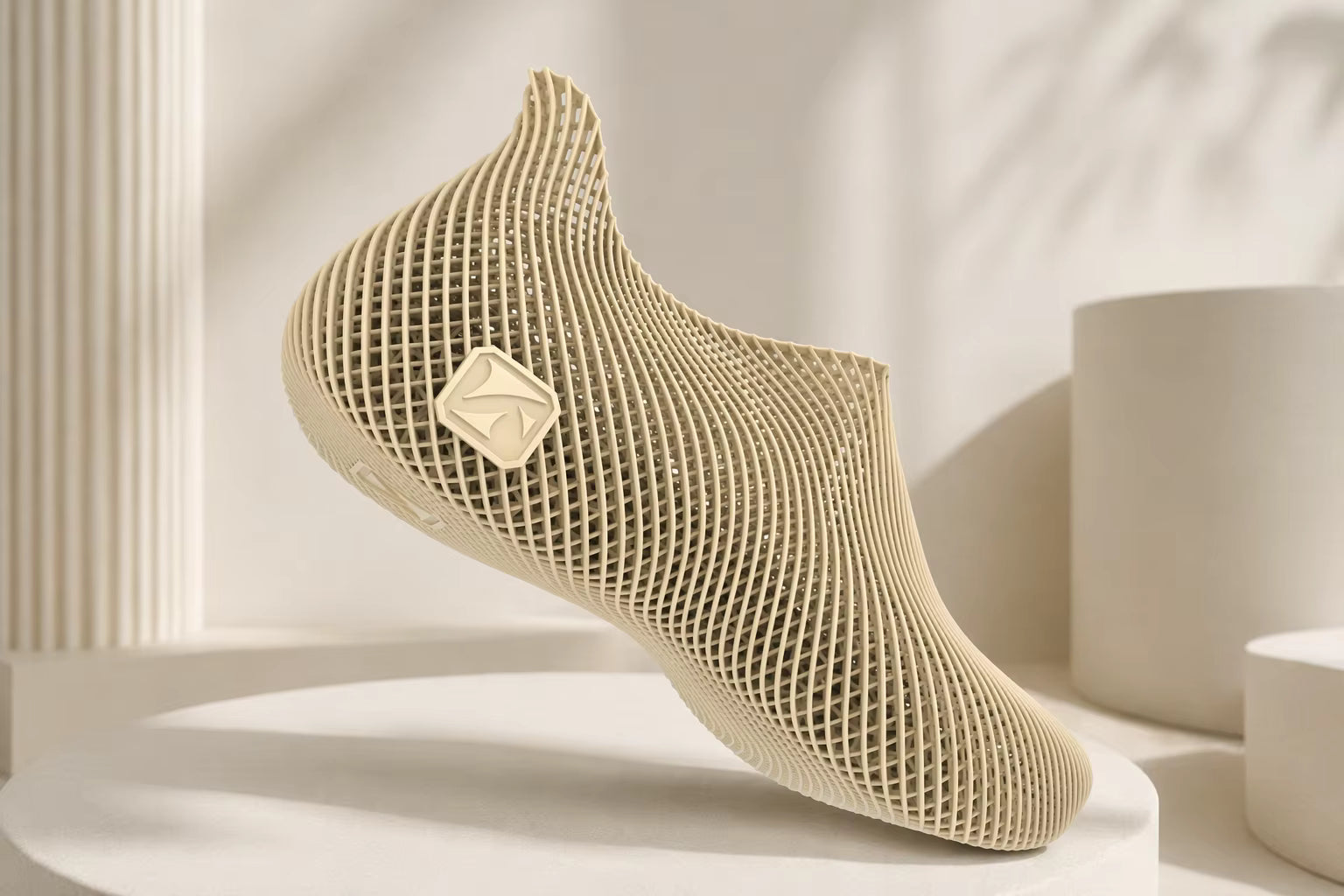
في الآونة الأخيرة، تلقيت دعوة من أركي وتمكنت من اختبار أحذية الجري Aerodash. عندما تلقيت الأحذية، أُعجبت حقًا. لم أتوقع أبدًا أن الأحذية المطبوعة ثلاثية الأبعاد - التي اعتقدت ذات مرة أنها مجرد تصميمات مفاهيمية - يمكن أن تلبي بالفعل متطلبات الجري الحقيقية. بعد اختبار Aerodash بعدة جولات سهلة، كان التوسيد والارتداد والملاءمة العامة جيدًا جدًا. أشعر أنني بحاجة إلى مزيد من الوقت لتجربة هذه الأحذية المطبوعة ثلاثية الأبعاد بشكل كامل قبل كتابة مراجعة مفصلة.
هذا المقال هو مساهمة مستخدم. إذا كنت أيضًا من عشاق الجري، فلا تتردد في الاتصال بخدمة عملاء أركي لطلب عينات من الأحذية للاختبار. نرحب أيضًا بتقديم قصتك الخاصة حول أحذية أركي المطبوعة ثلاثية الأبعاد.

يشارك:
أفضل الأحذية اليومية للأقدام العريضة جدًا في عام 2026
أفضل الأحذية القابلة للتنفس للقدمين المتعرقتين: لماذا تعتبر الأحذية الرياضية المطبوعة ثلاثية الأبعاد فعالة حقًا