

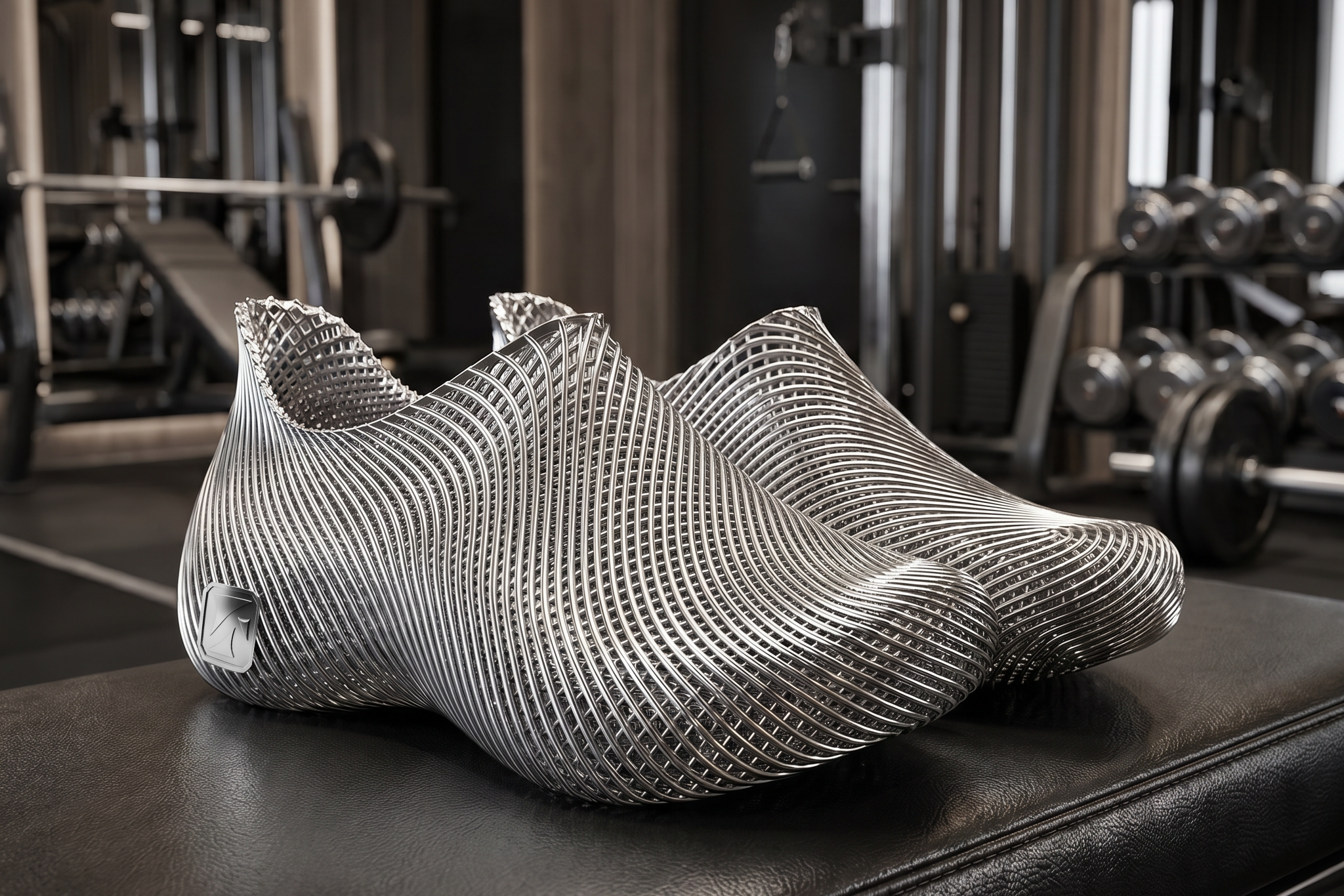
Have you ever noticed that your favorite pair of sneakers feels like "clouds" for the first 100 miles, but after just 3 to 6 months, that responsive bounce disappears, replaced by a stiff, dead sensation?
It’s not in your head. It’s the physical limit of the sneaker’s "heart"—the EVA foam midsole. Today, the ARKKY Performance Lab is releasing hard data on the durability of 3D printed sneakers, declaring war on a pain point that has plagued the footwear industry for decades.
The "Hidden Expiry Date" of Traditional Foam: Why Your Shoes Get Hard
Most athletic shoes use EVA (Ethylene Vinyl Acetate) or PEBA foam. Under a microscope, these materials are composed of millions of tiny, closed-cell air bubbles.
The Pain Point: Every time you land, these bubbles compress. According to data from Materials Science and Engineering journals, EVA foam undergoes "permanent set" (cell collapse) after approximately 300,000 cycles. For a modern professional walking 10,000 steps a day, the "golden era" of shoe performance lasts only 30 to 50 days.

Expert Insight: "Foam degradation is irreversible. Once permanent wrinkles appear in the midsole, its ability to absorb impact drops by over 40%. This doesn't just kill the comfort; it increases the risk of impact-related injuries to the knees and ankles." — Dr. Marcus Chen, Biomechanical Engineer
ARKKY Lab Data: The Truth After 1,000,000 Compressions
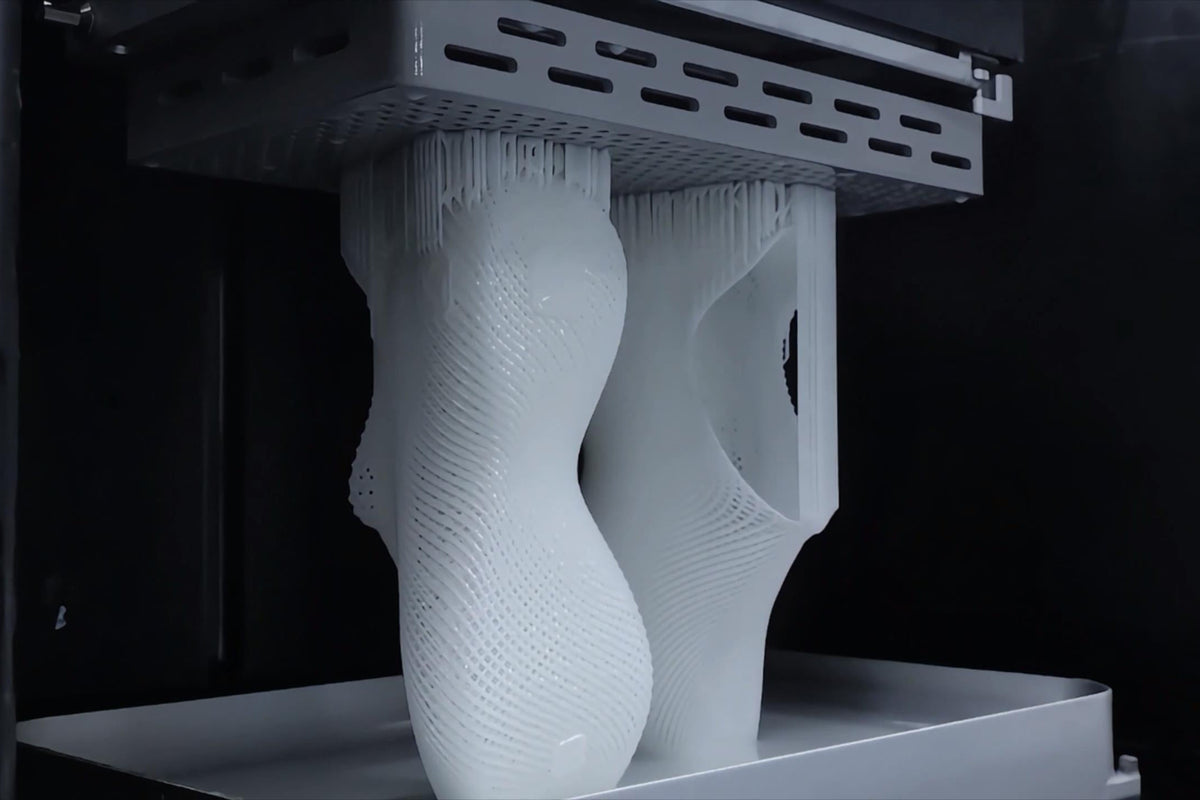
To solve the "performance decay" problem, ARKKY moved away from closed-cell foam and toward 3D printed TPU lattice technology. We conducted an extreme fatigue test:
- Test Subjects: ARKKY TPU Lattice Midsole vs. Top-tier Brand EVA Foam Midsole.
- Pressure Intensity: Simulated 85KG adult continuous jumping impact.
- Cycle Count: 1,000,000 times (equivalent to over 3 years of heavy daily wear).
The Results:
- Rebound Rate: Traditional EVA foam’s rebound dropped below 60% after 200,000 cycles. ARKKY’s TPU lattice maintained a 95% rebound rate even after 1,000,000 compressions.
- Height Loss: The EVA midsole lost an average of 4.2mm in height (visible collapse). ARKKY’s height deviation was only 0.3mm—practically indistinguishable from brand new.

Why Does the TPU Lattice Never Get "Tired"?
The secret lies in two dimensions: Material and Geometry.
- Molecular Memory of TPU: Unlike EVA,TPU (Thermoplastic Polyurethane) is a high-performance elastomer. It behaves more like rubber, possessing incredible molecular memory. No matter how many times it is compressed, the molecular chains snap back to their original position.
- Open-Cell Geometry: Our lattice is not airtight; it is a calculated network of geometric struts. Impact energy is distributed evenly across every node of the structure rather than being trapped and eventually "popped" like foam bubbles.
This technology isn't just about feel; it's a pillar of sustainable fashion. An ARKKY shoe lasts 3x longer than traditional footwear, meaning fewer shoes in landfills and a longer journey for you.
Real-World Comparison: Fresh After 6 Months
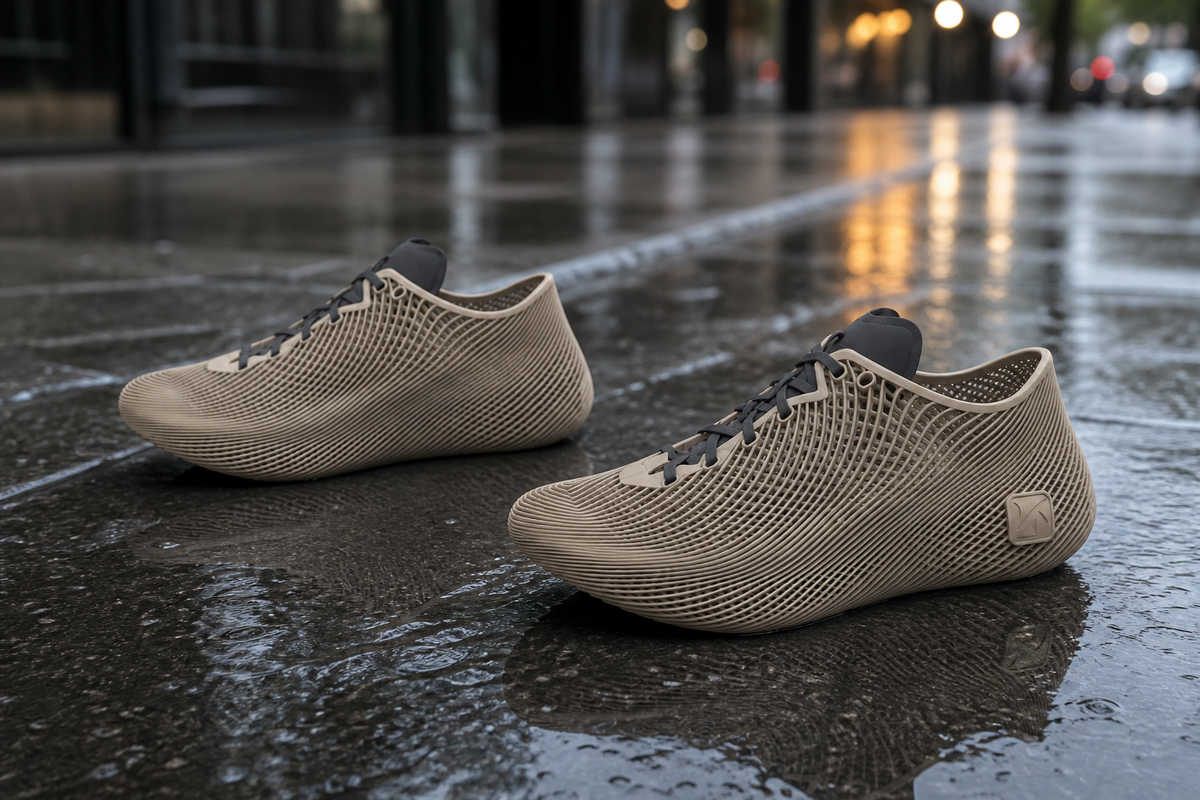
In the era of "Quiet Luxury," true luxury is not just about visual minimalism; it’s about lasting performance. We tracked 50 urban professionals during their daily commutes. Six months later, their ARKKYs retained the same snap and support as Day 1.

ARKKY refuses to be a "disposable" product. We create modern commute essentials built to accompany you through every corner of the city, year after year.
Frequently Asked Questions (FAQ)
Q: Does the open lattice trap dirt and mud? A: ARKKY uses a self-cleaning polymer coating. The lattice gaps are calculated to prevent large debris from entering. They can be rinsed directly with water, and since TPU is non-absorbent, they dry 5x faster than traditional foam.
Q: Is the high-rebound feel suitable for everyone? A: Our lattice is parametrically designed
Share:
Arkky Releases CozLite 90 and CozLite 305 3D Printed Shoes
ARKKY 3D Printed Shoes Debut in Japanese Lifestyle Magazine 《懸賞なび》