

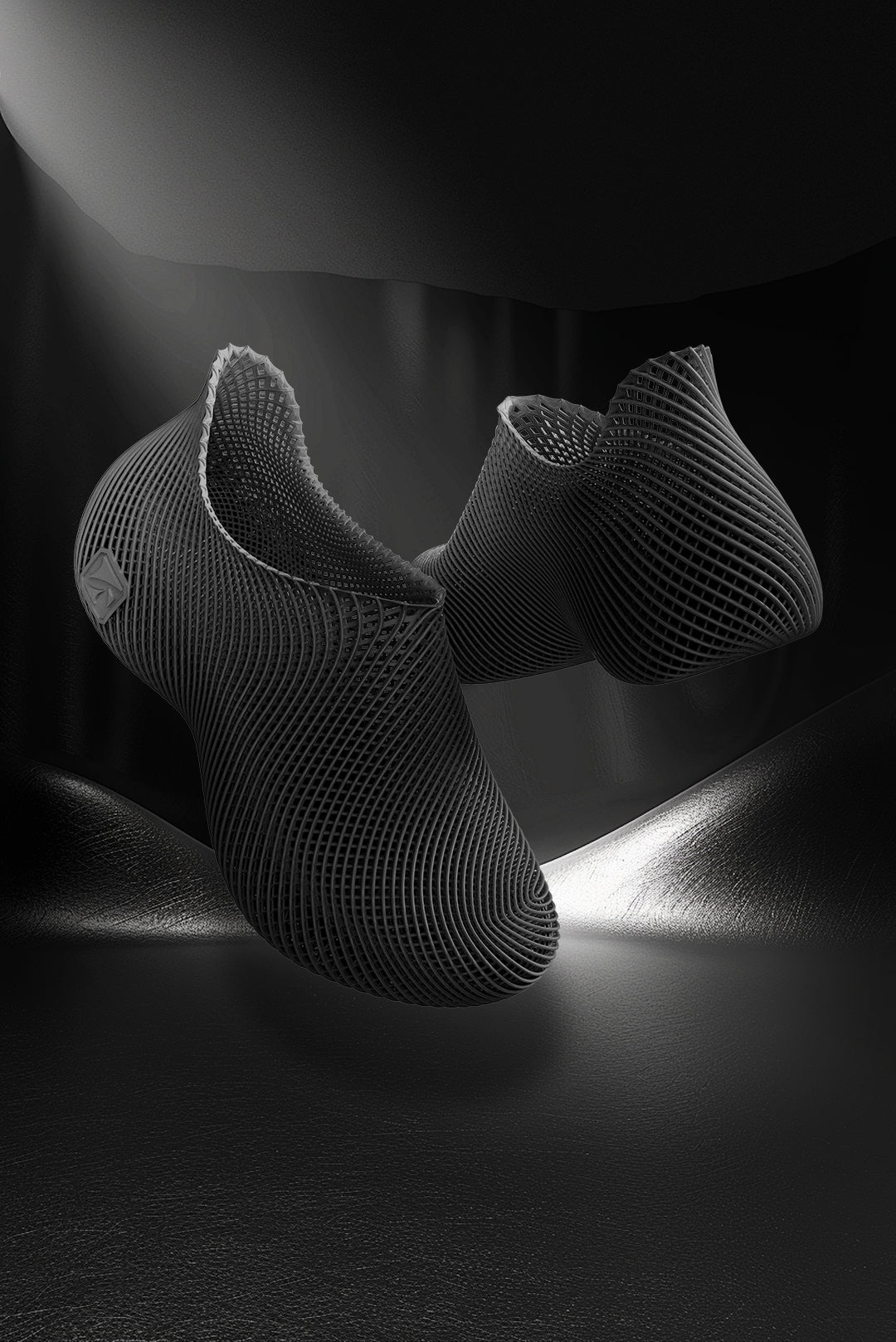
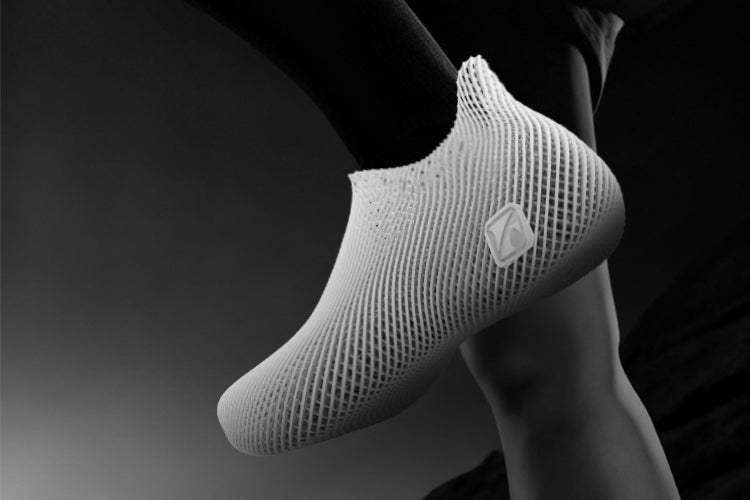
In the fast-paced world of fashion and technology, a new wave is reshaping the very soles of the footwear industry. This is the era of the 3D printed sneaker, a revolutionary approach that moves beyond the one-size-fits-all model of mass production and into a future of hyper-personalized, sustainable, and high-performance footwear. This isn't just a fleeting trend; it's a fundamental shift in how we think about, create, and wear shoes. At the forefront of this movement are pioneering brands like ARKKY, which are turning the futuristic promise of 3D printing into a tangible reality for consumers today.
The 3D Printing Revolution in Footwear
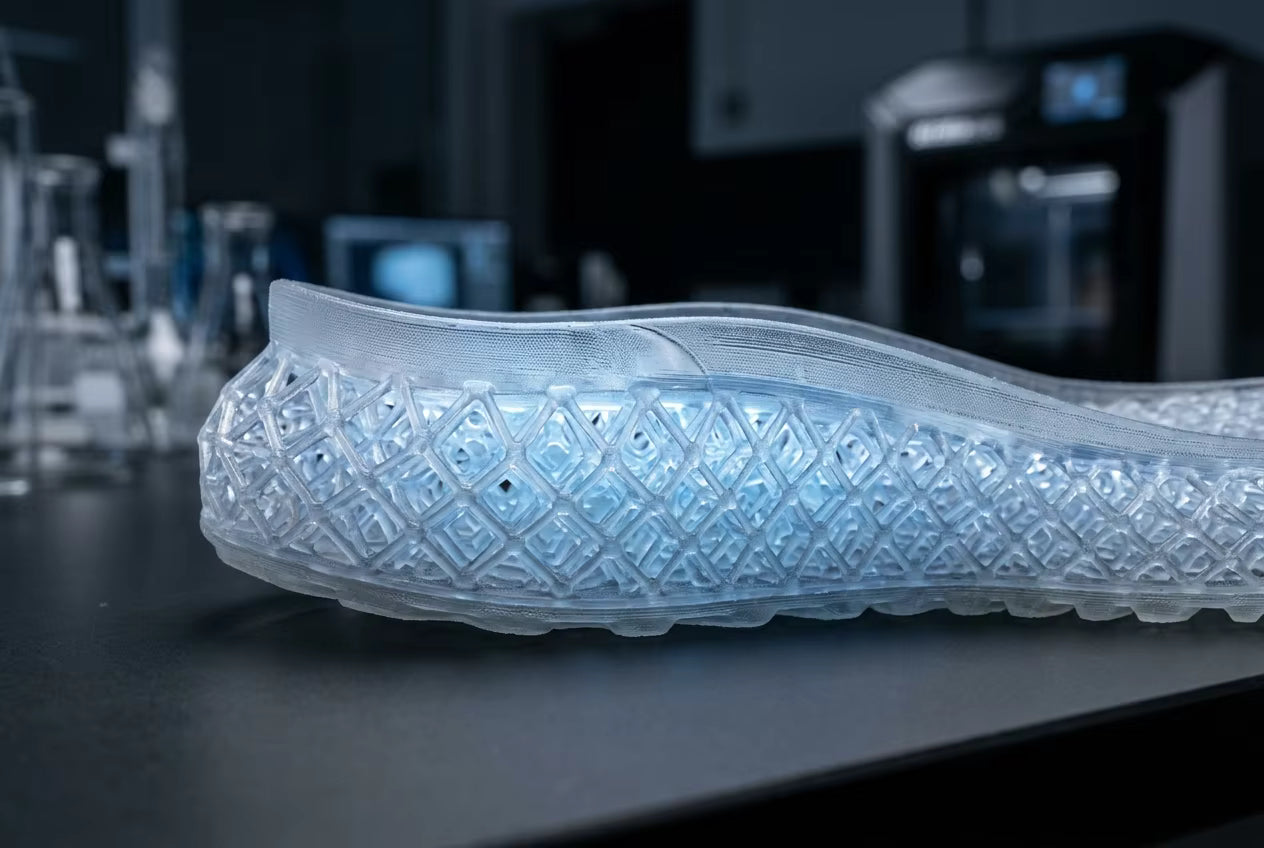
So, what exactly are 3D printed sneakers? At its core, 3D printing, or additive manufacturing, is the process of building a three-dimensional object layer by layer from a digital file. Unlike traditional shoemaking, which involves cutting materials and assembling them (a subtractive process), 3D printing adds material only where it's needed. This allows for the creation of incredibly complex and intricate designs, such as the lattice structures seen in many 3D printed midsoles, which are impossible to produce with conventional methods.
The idea of 3D printed shoes isn't entirely new. Brands like Adidas experimented with the technology in the mid-2010s, but early iterations were often too rigid, expensive, or slow to produce for the mass market. So, why the resurgence? The comeback is fueled by significant advancements in both materials and technology. Modern 3D printers are faster and more efficient, and the development of softer, more flexible materials like thermoplastic polyurethane (TPU) has made the shoes more comfortable and durable. This has allowed the 3D printed sneaker market to grow from a niche concept into a burgeoning industry, with market analysts projecting a global market size of over $5 billion by 2030.
Why Your Next Pair Should Be 3D Printed
The buzz around 3D printed sneakers isn't just about novelty; it's about tangible benefits that address some of the biggest drawbacks of traditional footwear.

Unmatched Personalization
The most significant advantage of 3D printed footwear is the ability to create a shoe that is perfectly tailored to the individual. Through a simple process of scanning your feet with a smartphone app, manufacturers can capture hundreds of thousands of data points to create a precise 3D model of your feet. This data is then used to generate a "hyper-personalized" shoe, with adjustments made to everything from the arch support and cushioning to the width and flex zones. The result is a shoe that fits like a second skin, eliminating pressure points, reducing the risk of blisters, and providing a level of comfort that mass-produced shoes simply cannot match.
A New Standard for Sustainability
The traditional footwear industry is notoriously wasteful, with an estimated 20 billion pairs of shoes produced annually and a significant portion ending up in landfills. 3D printing offers a more sustainable alternative. By using an additive manufacturing process, brands can achieve "zero-waste production," as only the exact amount of material needed is used. Furthermore, many companies are now using recyclable and bio-based materials. Some are even implementing "take-back" programs, where old shoes can be returned, ground down, and recycled into new footwear, creating a closed-loop, circular economy.
Performance and Design Freedom
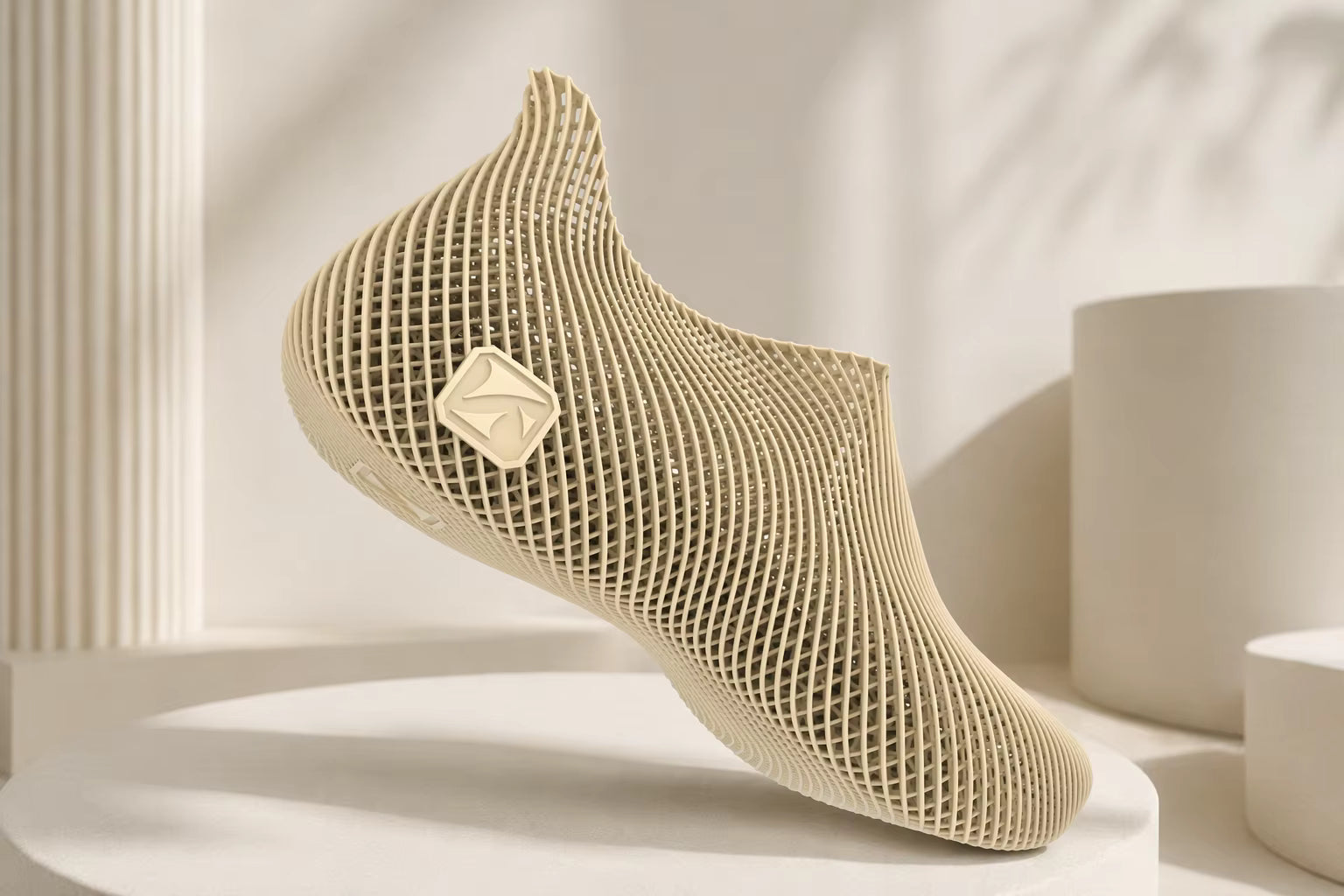
From a performance standpoint, 3D printing unlocks a new level of engineering. The ability to create complex lattice structures allows for "zoned cushioning," where different parts of the midsole can be engineered to provide varying levels of support and energy return. This can lead to improved stability, reduced fatigue, and a more responsive feel. Aesthetically, designers are no longer hiding the intricate, web-like structures of the 3D printed material; they are celebrating it. The futuristic, almost alien-like appearance of the lattice has become a design feature in itself, creating a unique and eye-catching look that stands out from the crowd.

ARKKY - Shaping the Future of Footwear
While major brands like Nike and Adidas are re-entering the 3D-printed space, it's often the more agile and specialized companies that are pushing the boundaries of what's possible. One such innovator is ARKKY, a brand that has positioned itself at the intersection of technology, sustainability, and high fashion.
The Technology Edge - AIHALS
At the heart of ARKKY's operation is its proprietary AIHALS (Artificial Intelligence Hindered Asynchronous Light Synthesis) technology. This isn't just another 3D printer; it's an ultra-fast production system that ARKKY claims can produce over 200 pairs of shoes per day from a single machine. This breakthrough in speed and scalability is what allows ARKKY to offer on-demand, customized footwear without the long wait times typically associated with bespoke products.
ARKKY's Unique Selling Propositions
ARKKY's approach is a masterclass in leveraging the core benefits of 3D printing to create a unique and compelling brand identity.
- Hyper-Personalization in Practice: ARKKY's customer journey is a seamless blend of digital and physical. Customers can upload a foot scan, which is then analyzed by AI to create a shoe optimized for their specific biomechanics. This goes beyond simple sizing to create a truly individualized fit.
- Sustainable by Design: ARKKY has made sustainability a cornerstone of its brand. Their shoes are made from a self-developed, recyclable TPU that is 53% bio-based. This commitment to eco-friendly materials sets them apart in an industry that is still grappling with its environmental impact.
- Aesthetic and Function: ARKKY's collections, such as the "Sport Form" and "Avant Garde" lines, showcase the brand's ability to merge high-performance functionality with bold, futuristic designs. They are not just creating comfortable shoes; they are creating wearable art.
ARKKY vs. The Giants: Individuality vs. Mass Market
To understand ARKKY's place in the market, it's helpful to compare it to a giant like Adidas. While Adidas is leveraging its massive manufacturing network to bring 3D printed technology to the mass market with models like the Climacool (retailing at around $140), ARKKY is targeting a more niche, premium segment. With a higher price point (around $229 for their AeroBB Futuristic sneakers), ARKKY is offering a bespoke experience for the discerning consumer who values customization, cutting-edge technology, and sustainability. It's a classic case of mass-market scalability versus individualized craftsmanship, and both are valid approaches to the future of footwear.
Conclusion: Step into the Future
The rise of the 3D printed sneaker is more than just a new trend; it's a glimpse into the future of manufacturing, where technology empowers consumers and respects the planet. With their promise of a perfect fit, reduced environmental impact, and limitless design possibilities, 3D printed shoes are poised to become a staple in the wardrobes of tech-savvy and style-conscious individuals alike.
Brands like ARKKY are not just selling shoes; they are selling a vision of the future—a future where the products we buy are made for us, not for the masses, and where innovation and sustainability go hand in hand. The next time you're in the market for a new pair of sneakers, consider stepping into the future. Your feet—and the planet—will thank you for it.

Share:
3D Printed Sneakers vs Traditional Sneakers: Which Should You Choose?