

For teachers, doctors, and retail professionals, your feet are the literal foundation of your career. However, the physiological toll of prolonged static standing—often referred to as the "silent occupational hazard"—is frequently underestimated. According to research from the NIH (National Institutes of Health), long-term standing is directly linked to chronic foot pain, varicose veins, and lower back dysfunction.
Choosing the right footwear is not just about comfort; it is about establishing an external suspension system for your skeletal and muscular health.
The Biomechanics of Standing: Why Static is Harder Than Dynamic
It is a common misconception that walking is more tiring than standing. From a physics perspective, the opposite is true. Walking is a dynamic energy exchange where muscle contraction and relaxation form a natural "venous pump" for blood circulation.
The Static Pressure Trap
When standing still, specific areas of the foot—typically the heel and metatarsal regions—endure constant vertical pressure. This pressure does not dissipate as it does during a gait cycle; instead, it compresses capillaries and restricts micro-circulation.

Arch Collapse and Foam Fatigue
Traditional cushioning materials like EVA (Ethylene Vinyl Acetate) suffer from "compressive creep." After 4 hours of continuous weight-bearing, the molecular structure collapses, leading to a significant loss of arch support.
The Core Pillars of a "Standing Shoe": Essential Features
When evaluating footwear for long shifts, look beyond "squishiness" and focus on these three mechanical attributes:
Dynamic Arch Support
The arch is the body's natural shock absorber. A high-quality standing shoe must offer support that adapts to your foot shape, preventing over-pronation (arch collapse) caused by muscular fatigue.
Zonal Energy Return
Standing requires "rebound," not just absorption. As you shift your weight between feet, the sole should respond to these micro-movements, reducing the static load on your calf muscles.
Anatomically Wide Toe Box
Feet naturally swell by 5% to 8% during a long day. A narrow toe box restricts natural toe splay and circulation, accelerating fatigue.
Traditional Solutions: From Clogs to Max Cushioning
The evolution of professional footwear has produced several approaches, each with its trade-offs.
- Professional Clogs: Brands like Dansko have been hospital staples for decades. Their rigid construction offers immense stability but lacks shock absorption.
- Max Cushioning Runners: Shoes like Hoka use massive foam stacks to provide a "cloud-like" feel. However, the inherent degradation of foam means they may not provide consistent support throughout a 12-hour shift.
- Stability Sneakers: These use high-density medial posts to prevent the foot from rolling inward.
The 3D Printed Revolution: ARKKY Redefines Long-Shift Comfort
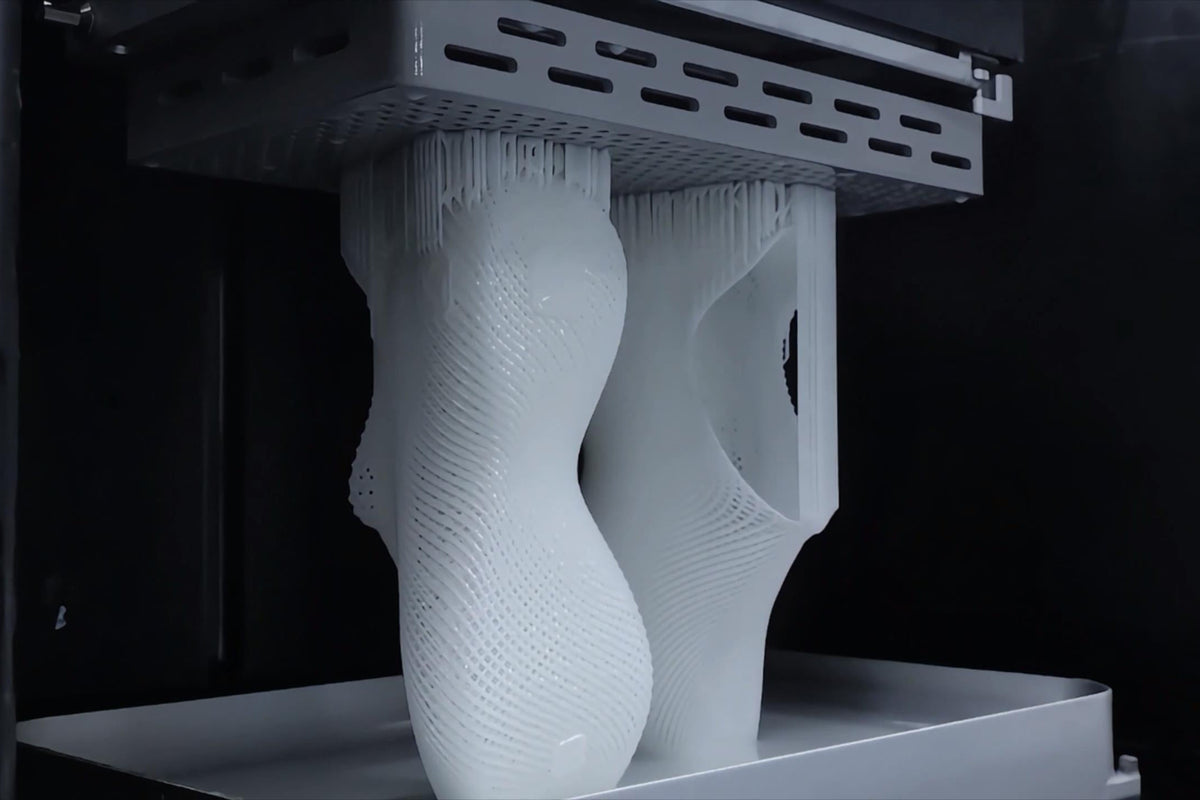
Where traditional chemistry reaches its limit, additive manufacturing (3D printing) opens a new frontier.
Product Spotlight: Cozlite 105
In the realm of innovative footwear, the ARKKY Cozlite 105 stands out as a masterclass in bio-engineering. It is more than a shoe; it is a calculated support system for the human foot. You can explore the technical details here: ARKKY Cozlite 105 Official Link.
The Cozlite 105 addresses the root causes of standing fatigue through several technological breakthroughs:
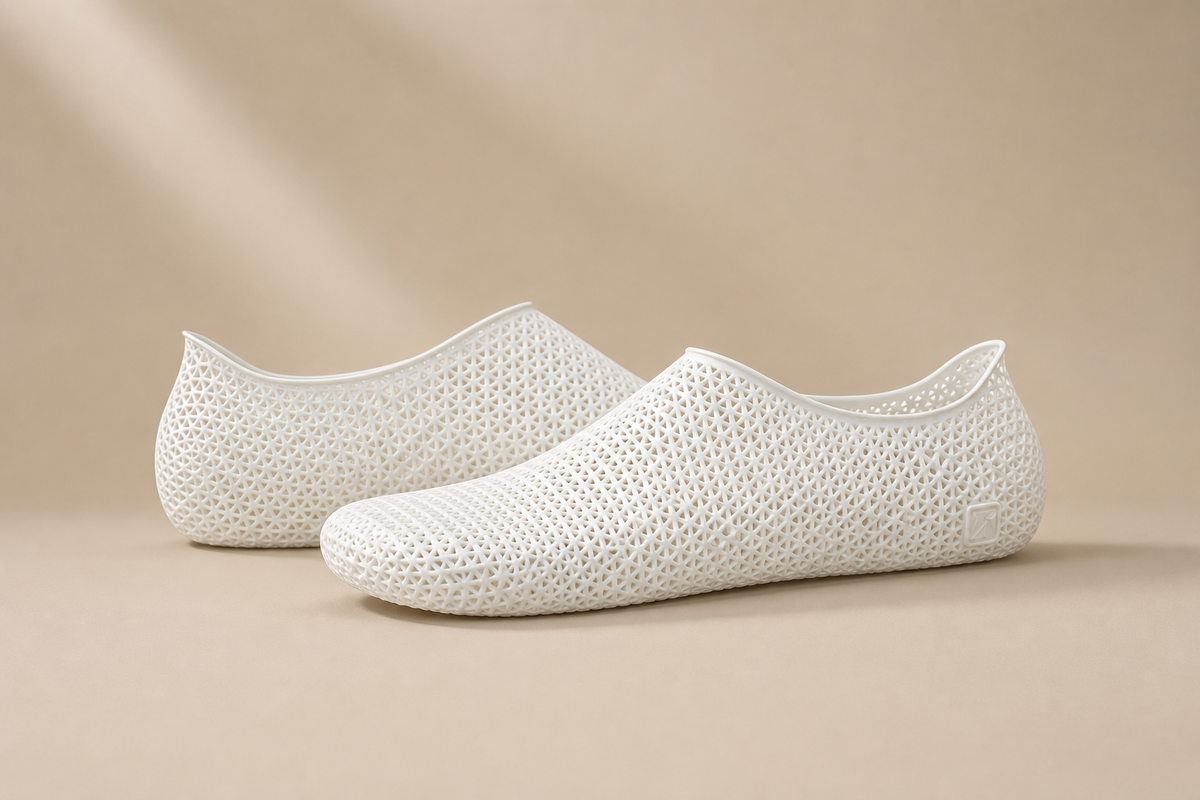
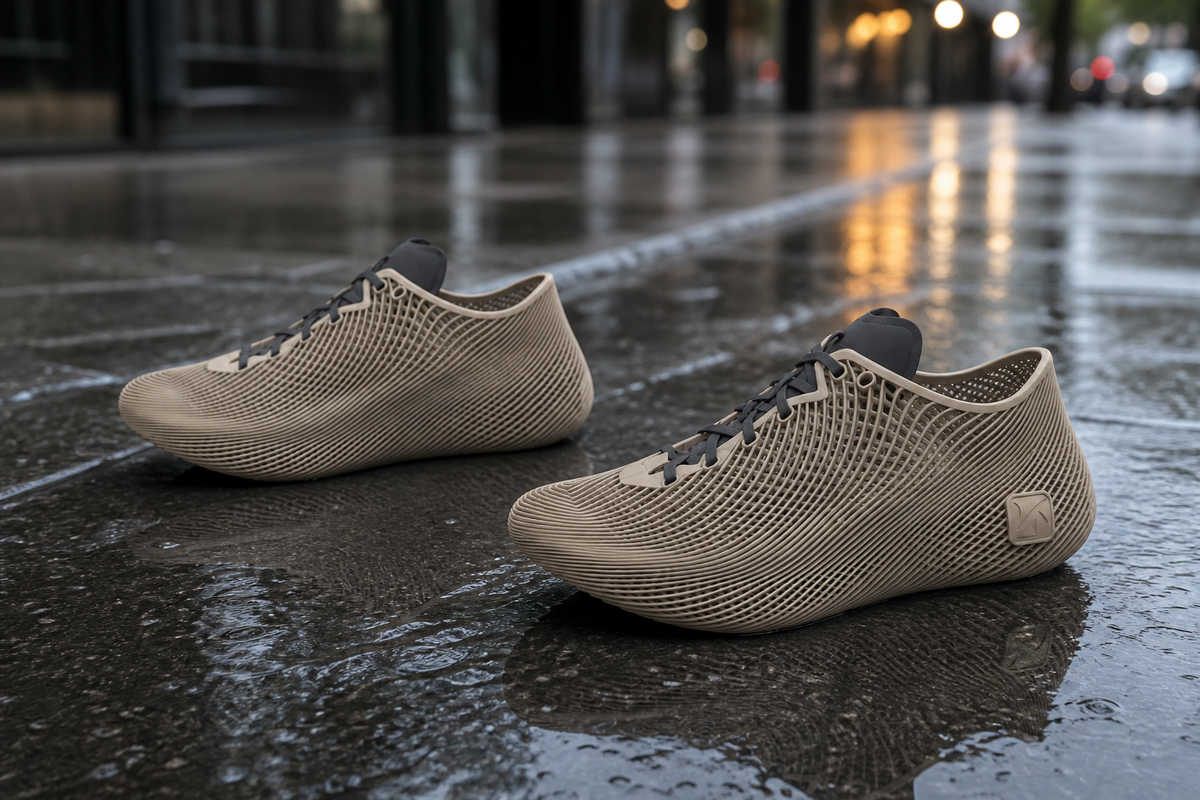
- Full Lattice Architecture: Unlike traditional foam, ARKKY uses a 3D-printed lattice with variable densities. The heel features high-damping geometry for impact, while the arch zone is printed with higher density to provide rigid, non-collapsing support.
- Mechanical Rebound vs. Chemical Cushioning: The energy return of a lattice is based on geometric physics. Even after 12 hours of pressure, the lattice does not suffer from permanent deformation.
- Total Airflow and Weight Reduction: The open-cell nature of the lattice solves the problem of heat accumulation.
Career-Specific Recommendations: Matching Shoes to Environment

Healthcare (Doctors and Nurses)
Hospital floors are hard and often slick. Surgeons, in particular, need immense stability for static operations. We recommend ARKKY Cozlite 105 for its unparalleled stability and sanitizable structure.
Education (Teachers)
Teachers alternate between standing at a podium and walking through classrooms. Style and comfort must be balanced. Supportive Sneakers are the modern preference, offering a professional look.
Retail and Service Industry
Retail involves frequent pivoting and standing behind counters. A wide-base outsole is critical here to increase the surface area and distribute pressure more evenly across the foot.
Performance Comparison: Traditional vs. 3D Printed
| Dimension | Traditional Foam Runner | Professional Clog | ARKKY Cozlite 105 (3D) |
|---|---|---|---|
| Support Type | Chemical Foam (Collapsible) | Rigid Structure | Physical Lattice (Constant) |
| Breathability | Moderate | Low | Extremely High |
| Weight | Light | Heavy | Ultra-Light |
| Energy Return | Fades after 4 hours | Minimal | Consistent all day |
| Maintenance | Difficult | Easy | Instant Rinse |
Professional Tips for Foot Health
Beyond choosing the Best Shoes for Standing All Day, consider these habits:
- Micro-movements: Consciously shift your weight and perform small calf raises while standing.
- Rotation: Rotate between two pairs of shoes to allow the cushioning to recover its shape.
- Recovery: Use a tennis ball to roll out your arches after a long shift.
FAQ
Q: Is a softer shoe always better for standing? A: No. A shoe that is too soft forces the small stabilizing muscles in your feet to work harder to maintain balance. You need "resilient support."
Q: Why should I choose 3D printed shoes over traditional sneakers? A: The primary reason is "compression resistance." Lattice structures do not "bottom out" under prolonged static weight.
Conclusion: Investing in Your Long-Term Wellness
For those who work on their feet, high-quality footwear is a tool of the trade. Whether you opt for a classic comfortable work shoe or an advanced 3D printed sneaker like the ARKKY Cozlite 105, the goal remains the same: protecting your biomechanical health.
Share:
Adaptive Arch Support: Why One Density Doesn’t Fit All
ARKKY vs. Carbon Fiber Plated Shoes: Which Is for You?