



The Tectonic Shift in Footwear Engineering
The global fashion landscape is witnessing a profound transformation, one where the boundaries between high-performance engineering and avant-garde aesthetics have permanently blurred. This movement, known as techwear, has evolved into a sophisticated design philosophy that prioritizes technical superiority, textile innovation, and a radical transformation of footwear through 3D printing.
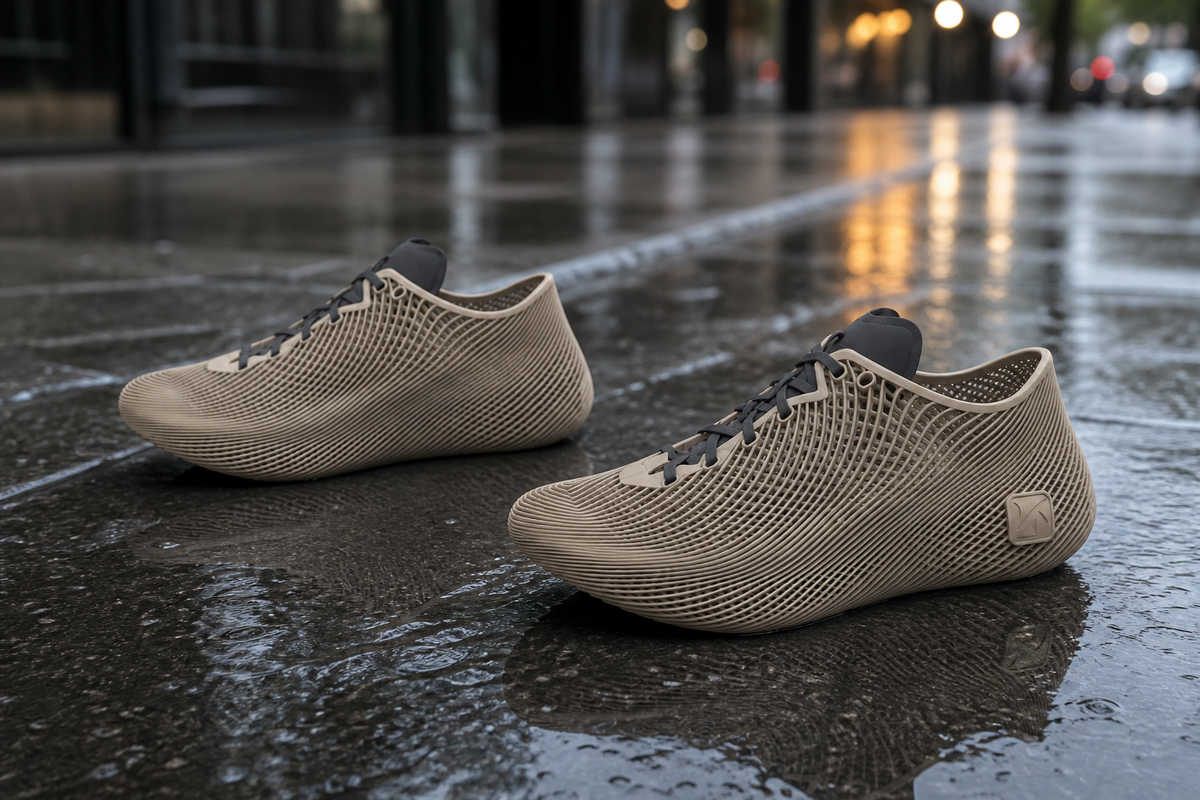
For decades, the footwear industry was limited by traditional molding processes. Today, the introduction of lattice technology has shattered these limits. This guide analyzes why 3D-printed sneakers are the essential investment for the modern techwear enthusiast, exploring the science of TPU, the advantages of generative design, and the blueprint for styling these architectural pieces in every urban scenario.
The Science of the "Second Skin": Why HALS and TPU Matter
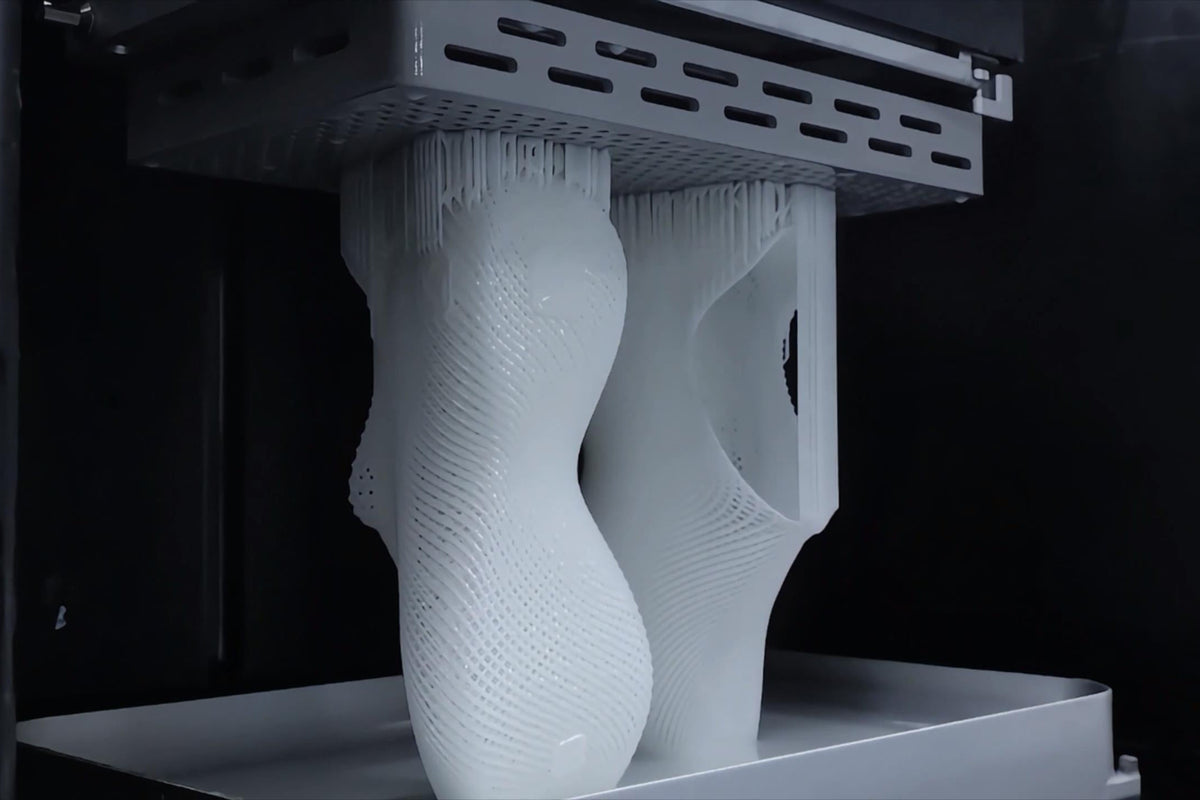
The performance of ARKKY shoes originates from a process called High-speed Area Lithography (HALS). This is the foundation upon which the future of footwear is built.
Beyond Injection Molding
Traditional sneakers rely on injection molding, which creates a monolithic midsole with uniform density throughout. This often results in a compromise between support and comfort. Lattice technology, however, utilizes light-cured liquid resins to print complex geometric networks that vary in density within a single structure. This "zonal tuning" allows for precise control over energy return and impact absorption. Data suggests that generative lattice structures can reduce overall shoe weight significantly while increasing structural support in high-stress zones.
The Material Integrity of TPU
The material of choice—Thermoplastic Polyurethane (TPU)—is a marvel of polymer science. Unlike the standard EVA foam used in mass-market footwear, TPU is an elastomer that bridges the gap between plastic and rubber, offering exceptional resilience.
Performance Insights:
- Dynamic Rebound: While traditional foam begins to collapse and lose its "memory" after a few hundred miles of use, 3D-printed TPU structures are engineered to endure.
- Long-term Durability: Laboratory testing indicates that premium TPU lattice can withstand over 1,000,000 compression cycles—the equivalent of years of daily wear—while retaining nearly all of its original rebound height. This ensures that the footwear remains a lasting staple in a high-performance wardrobe.
The Biomechanical Advantage of the Lattice
The distinct feel of a lattice structure is rooted in its ability to balance vertical impact absorption with horizontal stability.
360-Degree Breathability
Traditional footwear often traps heat, creating a "heat island" effect around the foot. The open architecture of a full-vent lattice design enables constant airflow exchange underneath the footbed. In high-humidity environments, this has been shown to reduce skin temperature compared to solid-soled competitors, providing a cooler and drier experience throughout the day.
Kinetic Energy Return
As the lattice loops compress during each step, they act as a vast network of micro-springs. Instead of merely absorbing energy, the structure returns it, reducing muscle fatigue during long periods of walking. This makes lattice technology ideal for the urban environment, where hard surfaces and long commutes demand superior shock attenuation.
Mastering Scenario-Based Styling
Styling 3D-printed sneakers requires an understanding of visual weight. The architectural complexity of the lattice carries significant visual detail, which an outfit must either balance or emphasize.
Scenario 1: The Tactical Vanguard (Urban Cyber-Style)

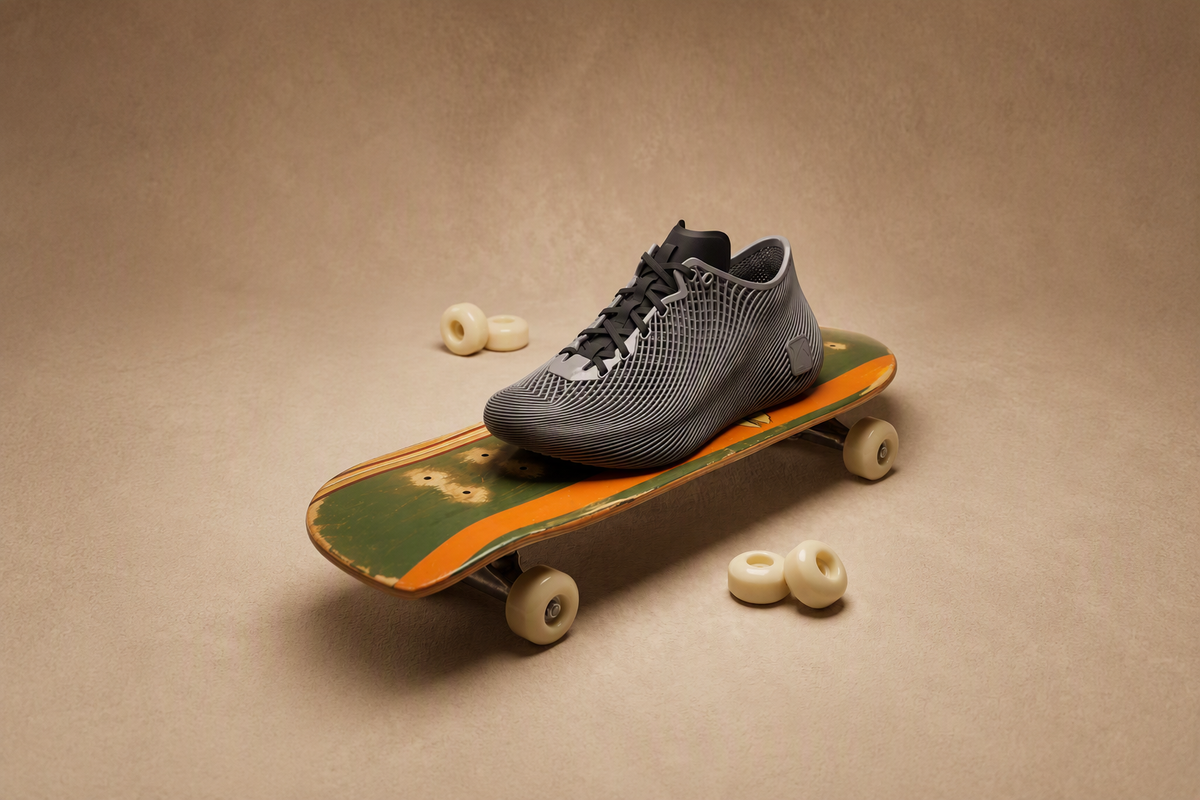
The Tactical Vanguard aesthetic is defined by "High-Definition Utility." It is the visual language of the future city—sharp, protective, and modular.
- The Bottoms: Tapered cargo joggers are essential. The sharp taper draws attention to the intricate geometry of the sneakers. Technical fabrics such as Cordura® nylon provide a matte sheen that perfectly complements the TPU finish.
- The Layering: A cropped waterproof hardshell over a longline compression tee creates a tiered silhouette, mirroring the structural tiers of the lattice tech.
- The Palette: A monochrome "Shadow" palette—Obsidian, Anthracite, and Coal—allows white or light-gray lattice structures to stand out as structural highlights, much like the lights on a skyscraper.
Scenario 2: The Greywear Professional (Minimalist Tech)

As techwear matures, it moves toward "Greywear"—a sophisticated version of the aesthetic for the creative professional, architect, or tech founder.
- The Bottoms: Slim-fit tech chinos or wool-blend trousers with articulated knees offer "stealth functionality."
- The Top: Merino wool is nature’s technical fabric—antimicrobial and temperature-regulating—making it the ideal partner for the breathable lattice of the shoes.
- The Silhouette: Choose tonal colorways. A slate gray upper with a matching gray lattice sole creates a seamless, integrated look that is professional yet technologically advanced.
Scenario 3: Gorpcore & The Functional Outdoors

Gorpcore bridges the gap between the wilderness and the street, where 3D-printed shoes act as high-performance equipment.
- The Pairing: Ripstop nylon shorts or oversized 2-in-1 leggings provide a rugged base.
- The Contrast: Oversized Gore-Tex shells in organic earth tones—Sage Green, Terracotta, or Ochre—provide a beautiful counterpoint to the high-tech, man-made aesthetic of lattice sneakers.
- Visual Tuning: Because the lattice structure is open, the choice of socks becomes a design element. Vibrant colors can "peek through" the structure, allowing for easy personalization of the overall look.
The Zero-Waste Manifesto: A Sustainable Future
The techwear community is increasingly focused on the ethics of the future. Traditional manufacturing creates significant waste through cutting processes. ARKKY utilizes additive manufacturing, ensuring only the necessary material is used for each pair.
The use of bio-based TPU further aligns with a commitment to environmental responsibility. This zero-waste approach represents the future of responsible production, where overproduction and material scrap are eliminated.
Maintenance and Preservation
The open geometric network of the lattice structure requires a specific routine to maintain its performance and aesthetic clarity.
- Air Cleaning: Use a compressed air canister periodically to clear dust or debris from the lattice channels.
- Gentle Scrubbing: For more stubborn dirt, a soft brush and lukewarm water with pH-neutral soap are recommended. Avoid harsh chemicals that could alter the material over time.
- Natural Drying: The breathable design ensures fast air-drying. Always allow the shoes to dry naturally rather than using high-heat sources, which can compromise the material's integrity.
Conclusion: Stepping Into the Avant-Garde
Techwear is more than just apparel; it is a belief that our clothing should protect us, enhance our movement, and reflect our values. 3D-printed shoes are the ultimate expression of this belief. By merging generative AI design, advanced material science, and a zero-waste philosophy, we are setting the standard for the next century of footwear.
The future is architectural. The future is ARKKY.
Share:
3D-Printed Shoes: The Best Choice for Casual Sneakers Worn Without Socks
Surviving the European Heatwave: The Ultimate Breathable Capsule for Rome, Paris, and Madrid