


في صناعة الأحذية عالية الأداء، توجد "قاعدة عامة" غير مكتوبة: العمر الذهبي لحذاء الجري عالي الجودة يتراوح عادة بين 400 و 600 كيلومتر (250 إلى 370 ميلًا). بعد هذه المسافة، يتلاشى الإحساس الأولي "بالتوسيد" بسرعة، ليحل محله إحساس قاسٍ ومزعج يزيد من خطر الإصابات الناتجة عن الإجهاد المتكرر.
ومع ذلك، مع دخولنا عصر الأحذية المطبوعة ثلاثية الأبعاد، يتم إعادة كتابة هذه القواعد بشكل أساسي.
أنهت معامل "أركي لابز" مؤخرًا دراسة مكثفة استمرت ستة أشهر: وضعنا نعلنا الأوسط الشبكي المميز في أجهزة اختبار التعب الصناعية عالية الدقة، محاكين حملاً حقيقيًا للجري لمسافة 1000 ميل (حوالي 1600 كم). النتائج لم تصدم الشركات المصنعة التقليدية فحسب، بل كشفت عن ميزة جيلية في طول العمر الهيكلي الذي توفره أحذية الجري المطبوعة ثلاثية الأبعاد.
فخ الرغوة: لماذا "تنهار" النعال التقليدية؟
قبل الغوص في بيانات اختبار أركي، يجب أن نفهم لماذا تفشل النعال التقليدية في المقام الأول.
الحدود الفيزيائية للهياكل ذات الخلايا المغلقة
تستخدم الغالبية العظمى من أحذية الجري التقليدية مواد رغوية من الإيثيلين فينيل أسيتات (EVA) أو البولي يوريثين (PU). مجهريًا، تتكون هذه المواد من مليارات الفقاعات الهوائية الصغيرة - المعروفة باسم الهياكل ذات الخلايا المغلقة. في كل مرة تضرب قدمك الأرض، فإنك تقوم بضغط هذه الفقاعات المجهرية لامتصاص الطاقة.
عدم قابلية "مجموعة الانضغاط" للعكس
تكمن المشكلة في تراكم الأميال. بمرور الوقت، تتطور جدران هذه الفقاعات المجهرية الرقيقة إلى كسور دقيقة وتتمزق في النهاية. في الفيزياء، يُعرف هذا باسم "مجموعة الانضغاط". بمجرد أن تنكسر هذه الفقاعات، تفقد المادة قدرتها على تخزين الطاقة وإطلاقها. تُظهر البيانات أن حتى أحذية الماراثون عالية الجودة تفقد 15-20% من عودتها الطاقوية بعد 300 كيلومتر فقط.
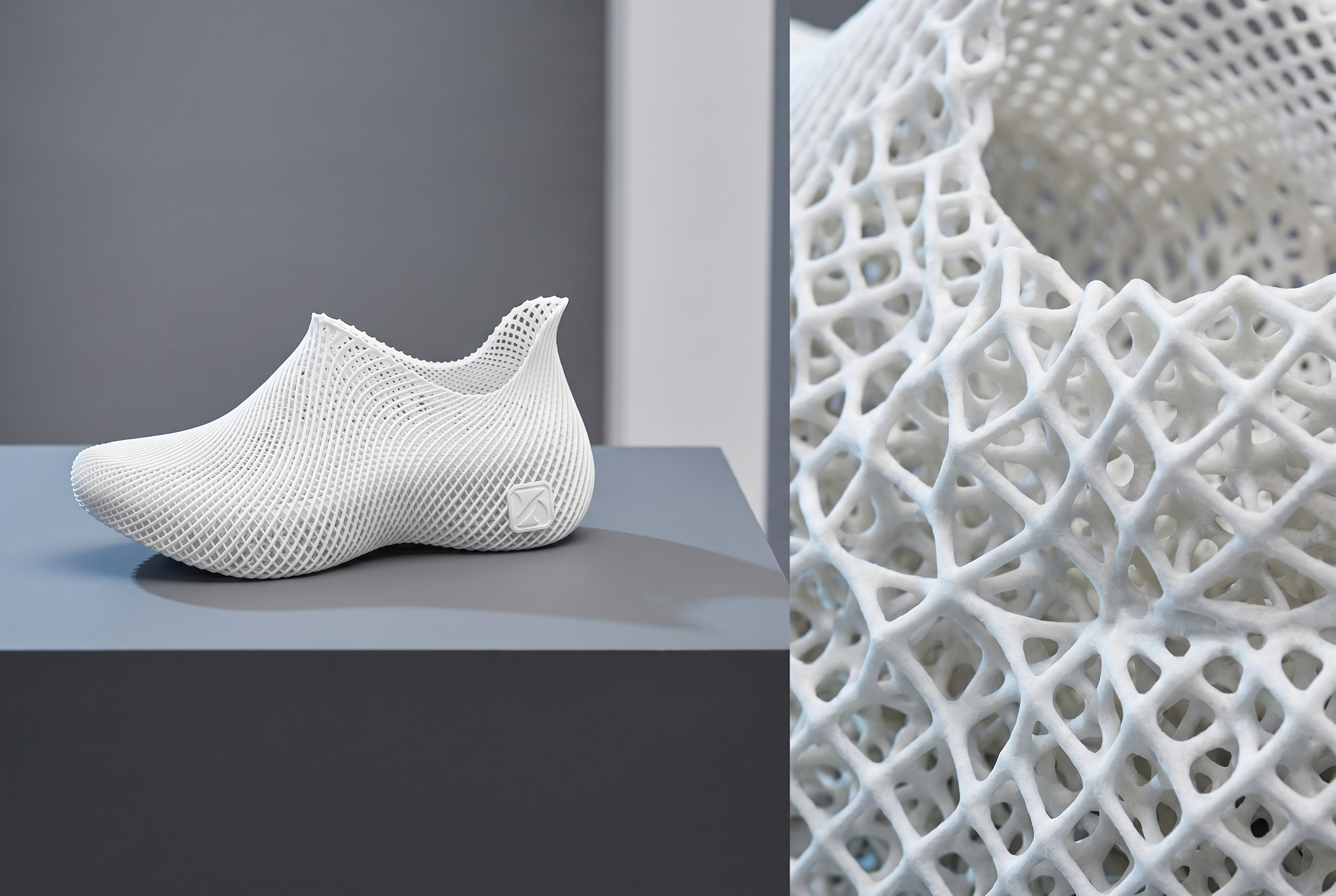
 (شكل: منظر كبير للهيكل الشبكي المطبوع ثلاثي الأبعاد من Arkky، يظهر الثبات الهندسي مقارنة بالرغوة الخلوية.)
معامل أركي: اختبار الإجهاد لدورة 1.5 مليون
للتحقق من متانة الأحذية المطبوعة ثلاثية الأبعاد، أنشأت معامل أركي "بروتوكول 1000 ميل" الصارم.
معلمات الاختبار
-
الموضوع: نعل أوسط شبكي قياسي من مادة TPU من Arkky.
-
الضغط المحاكى: 2.5 ضعف قوة G، محاكيًا تأثير عداء يزن 80 كجم (176 رطلًا).
-
عدد الدورات: 1,500,000 دورة (تعادل الخطوات المتخذة في جري لمسافة 1000 ميل).
-
المتغيرات البيئية: تقلبات درجة الحرارة الموسمية المحاكاة (-10 درجة مئوية إلى 40 درجة مئوية).
الكشف عن البيانات الأساسية
بعد 1.5 مليون دورة، أظهر النعل الأوسط الشبكي من Arkky ثباتًا غير مسبوق:
-
فقدان السماكة: 1.2 مم فقط (معدل فقدان <1.8%). بالمقارنة، يبلغ متوسط فقدان رغوة EVA عالية الأداء 4.5 مم تحت أحمال متماثلة.
-
تدهور استعادة الطاقة: تم قياس استعادة الطاقة الأولية بنسبة 86%؛ بعد اختبار 1000 ميل، بقيت عند نسبة مذهلة بلغت 83.5%.
-
معدل الفشل الهيكلي: 0%. بفضل تحسين الهيكل لتصميم شبكتنا، لم يتم الإبلاغ عن أي قضبان متكسرة أو مشاكل في فصل الطبقات.

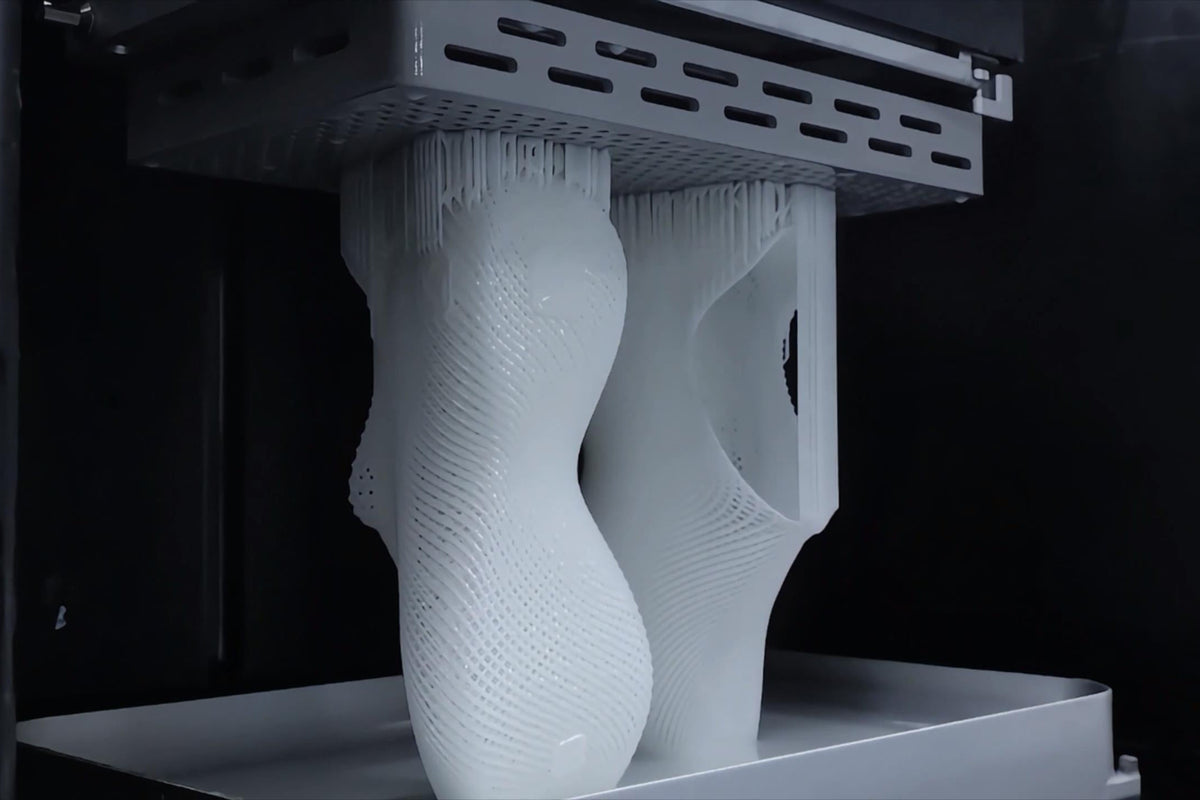
(شكل: ذراع الاختبار الآلي لـ Arkky يقوم بدورات تأثير مستمرة في مختبر أحذية عالي التقنية.)
السلامة الهيكلية: لماذا تمتلك شبكة TPU "ذاكرة"
يرجع السبب في تحقيق Arkky لمثل هذه طول عمر أحذية TPU الملحوظ إلى التكامل العميق لعلوم المواد والهندسة الهندسية.
تأثير "الذاكرة" لجزيئات TPU
نختار مادة TPU عالية الأداء (البولي يوريثين الحراري)، التي تتميز بقوة شد قصوى ومقاومة للتمزق. على عكس الرغوة، يمكن لسلاسل جزيئات TPU أن تعود بسرعة إلى حالتها الأصلية عن طريق الروابط الهيدروجينية. هذه المرونة على المستوى الجزيئي هي أساس تقنية توسيد الشبكة لدينا.
المعجزة الهندسية للتصميم التوليدي
لا تقوم خوارزميات Arkky بطباعة "شبكة" فقط. نحن نستخدم التصميم التوليدي لضمان أن كل دعامة شبكية مائلة بشكل مثالي لمواجهة قوى القص المحددة. وهذا يعني أن الضغط يتوزع بالتساوي عبر آلاف الوحدات الهندسية بدلاً من التركيز على جدران الفقاعات الهشة.
صفر غراء، صفر مخاطر
غالبًا ما تفشل الأحذية التقليدية عند الدرزات حيث يتم لصق النعل بالجزء العلوي. يستخدم Arkky تقنية الاندماج أحادي المادة، حيث يتم دمج الشبكة المطبوعة ثلاثية الأبعاد مباشرة مع الهيكل الداعم باستخدام الطاقة الحرارية. وبدون غراء ليجف أو يتشقق، يتم القضاء على خطر "انفصال النعل" تقريبًا.

(شكل: مقارنة بين حذاء رياضي جديد من Arkky (يسار) وحذاء بعد 1000 ميل (يمين)؛ يظل الهيكل الشبكي غير مضغوط تمامًا.)
طول العمر كاستدامة مطلقة
في Arkky، نؤمن بأن: الحذاء الأكثر استدامة هو الحذاء الذي لا تحتاج إلى استبداله كل ستة أشهر.
تقليل بصمة الاستهلاك
إذا استمر حذاء Arkky ثلاثة أضعاف عمر حذاء رياضي تقليدي، فقد قضيت بفعالية على نفايات التصنيع والشحن والتعبئة لزوجين إضافيين من الأحذية. هذا التخفيض في الكربون، مدفوعًا بالديمومة طويلة الأمد، أكثر تأثيرًا بكثير من استخدام المواد المعاد تدويرها في حذاء يدوم 300 ميل فقط.
اقتصاد دائري حقيقي
عندما يبلغ حذاء Arkky الخاص بك نهايته (على الأرجح بعد 2000+ كيلومتر)، نظرًا لأنه مصنوع من مادة TPU أحادية، يمكن تمزيقه بنسبة 100% وتحويله مرة أخرى إلى مسحوق عالي الجودة من أجل التصنيع الإضافي. هذا هو "حلم الحلقة المغلقة" لدينا في مجال الأحذية المستدامة عالية الأداء.
الاستثمار في مستقبلك الرياضي
قد يبدو زوج من أحذية رياضية مخصصة مطبوعة ثلاثية الأبعاد بسعر يتراوح بين 250 دولارًا و 300 دولار أمريكي مكلفًا مقارنة بحذاء ينتج بكميات كبيرة بسعر 120 دولارًا. ومع ذلك، عندما نحسب "التكلفة لكل ميل":
-
حذاء الجري القياسي: 120 دولارًا / 500 كيلومتر = 0.24 دولارًا للكيلومتر الواحد
-
حذاء Arkky ثلاثي الأبعاد: 280 دولارًا / 1600 كيلومتر = 0.17 دولارًا للكيلومتر الواحد
تثبت البيانات أن Arkky ليس مجرد قفزة في التكنولوجيا؛ إنه استثمار أذكى لمحفظتك وللكوكب.
الأسئلة الشائعة: أسئلة متكررة حول المتانة
س: هل يصبح الهيكل الشبكي المطبوع ثلاثي الأبعاد هشًا بمرور الوقت؟ ج: لا. يستخدم Arkky مادة TPU الصناعية المقاومة للأشعة فوق البنفسجية. تحت التعرض لأشعة الشمس الطبيعية في الهواء الطلق، تظل خصائصها الفيزيائية مستقرة لمدة 5-8 سنوات دون تدهور.
س: هل سيقوم العدّاؤون الأثقل وزنًا (90 كجم فما فوق) بإتلاف الشبكة بشكل أسرع؟ ج: هذه هي الميزة الرئيسية للأحذية المطبوعة ثلاثية الأبعاد حسب الطلب. نقوم بتعديل سمك جدار الشبكة بناءً على بياناتك البيومترية، مما يضمن حصول العداء الذي يزن 100 كجم على نفس العمر الافتراضي البالغ 1000 ميل مثل العداء الذي يزن 60 كجم.
س: هل نعل الشبكة مناسب للمسارات الوعرة؟ ج: مادة TPU أكثر مقاومة للتآكل بـ 2-3 مرات من المطاط القياسي. بينما الهيكل المفتوح مناسب لمعظم التضاريس، نوصي بتكوينات الشبكة "المُحسّنة للمسارات" للأسطح الصخرية الحادة للغاية لضمان أقصى حماية.
يشارك:
كم تدوم أحذية الجري؟
فن استعادة الطاقة: كيف تعمل خوارزميات Arkky الشبكية على تحسين طريقة الركض