

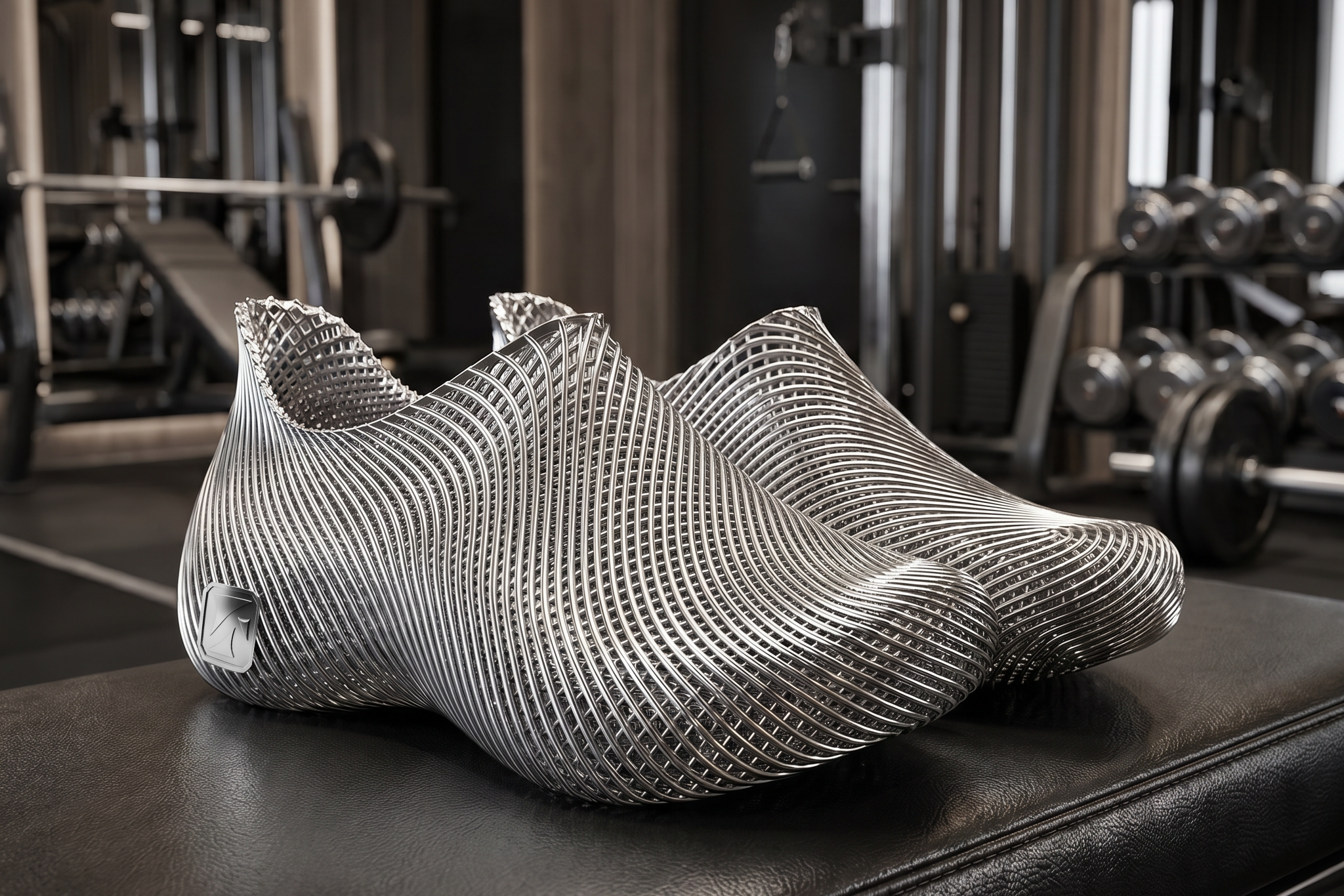
¿Alguna vez has notado que tu par de zapatillas favoritas se sienten como "nubes" durante los primeros 160 kilómetros, pero después de solo 3 a 6 meses, ese rebote responsivo desaparece, reemplazado por una sensación rígida y muerta?
No es tu imaginación. Es el límite físico del "corazón" de la zapatilla: la entresuela de espuma EVA. Hoy, el ARKKY Performance Lab está publicando datos concretos sobre la durabilidad de las zapatillas impresas en 3D, declarando la guerra a un problema que ha afectado a la industria del calzado durante décadas.
La "Fecha de Caducidad Oculta" de la Espuma Tradicional: Por Qué Tus Zapatos Se Vuelven Rígidos
La mayoría de los calzados deportivos utilizan espuma EVA (Etileno Acetato de Vinilo) o PEBA. Bajo un microscopio, estos materiales están compuestos por millones de diminutas burbujas de aire de celda cerrada.
El Problema: Cada vez que aterrizas, estas burbujas se comprimen. Según datos de las revistas Materials Science and Engineering, la espuma EVA sufre un "asentamiento permanente" (colapso de las celdas) después de aproximadamente 300,000 ciclos. Para un profesional moderno que camina 10,000 pasos al día, la "época dorada" del rendimiento del calzado dura solo 30 a 50 días.

Opinión de Experto: "La degradación de la espuma es irreversible. Una vez que aparecen arrugas permanentes en la entresuela, su capacidad para absorber impactos disminuye en más del 40%. Esto no solo elimina la comodidad; aumenta el riesgo de lesiones relacionadas con el impacto en las rodillas y los tobillos." — Dr. Marcus Chen, Ingeniero Biomecánico
Datos del Laboratorio ARKKY: La Verdad Después de 1,000,000 de Compresiones
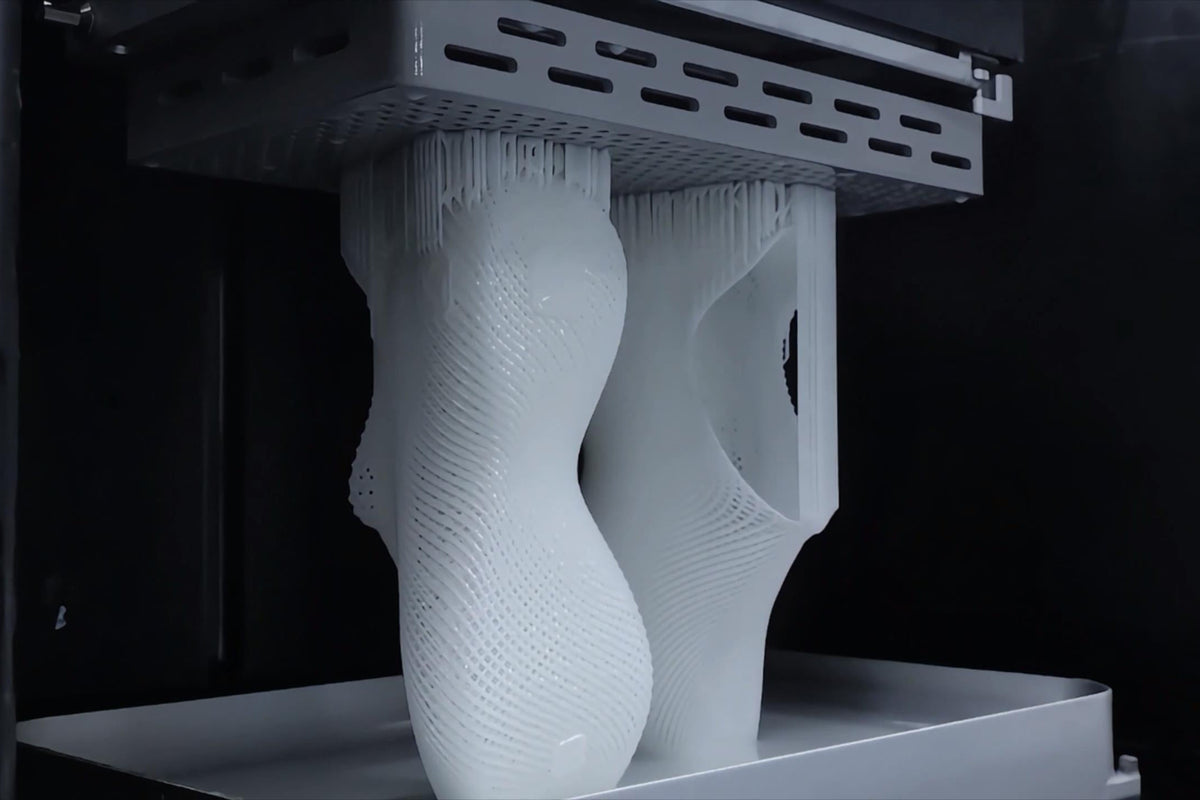
Para resolver el problema de la "degradación del rendimiento", ARKKY se alejó de la espuma de celda cerrada y se inclinó hacia la tecnología de celosía de TPU impresa en 3D. Realizamos una prueba de fatiga extrema:
- Sujetos de Prueba: Entresuela de celosía de TPU de ARKKY vs. Entresuela de espuma EVA de marca de primer nivel.
- Intensidad de Presión: Se simuló el impacto de un salto continuo de un adulto de 85 kg.
- Recuento de Ciclos: 1,000,000 de veces (equivalente a más de 3 años de uso diario intenso).
Los Resultados:
- Tasa de Rebote: El rebote de la espuma EVA tradicional cayó por debajo del 60% después de 200,000 ciclos. La celosía de TPU de ARKKY mantuvo una tasa de rebote del 95% incluso después de 1,000,000 de compresiones.
- Pérdida de Altura: La entresuela de EVA perdió un promedio de 4.2 mm de altura (colapso visible). La desviación de altura de ARKKY fue de solo 0.3 mm, prácticamente indistinguible de una nueva.

¿Por Qué la Celosía de TPU Nunca Se "Cansa"?
El secreto reside en dos dimensiones: Material y Geometría.
- Memoria Molecular del TPU: A diferencia del EVA, el TPU (Poliuretano Termoplástico) es un elastómero de alto rendimiento. Se comporta más como el caucho, poseyendo una increíble memoria molecular. No importa cuántas veces se comprima, las cadenas moleculares vuelven a su posición original.
- Geometría de Celda Abierta: Nuestra celosía no es hermética; es una red calculada de puntales geométricos. La energía del impacto se distribuye uniformemente en cada nodo de la estructura en lugar de quedar atrapada y eventualmente "explotar" como las burbujas de espuma.
Esta tecnología no se trata solo de la sensación; es un pilar de la moda sostenible. Un zapato ARKKY dura 3 veces más que el calzado tradicional, lo que significa menos zapatos en los vertederos y un viaje más largo para ti.
Comparación en el Mundo Real: Frescas Después de 6 Meses
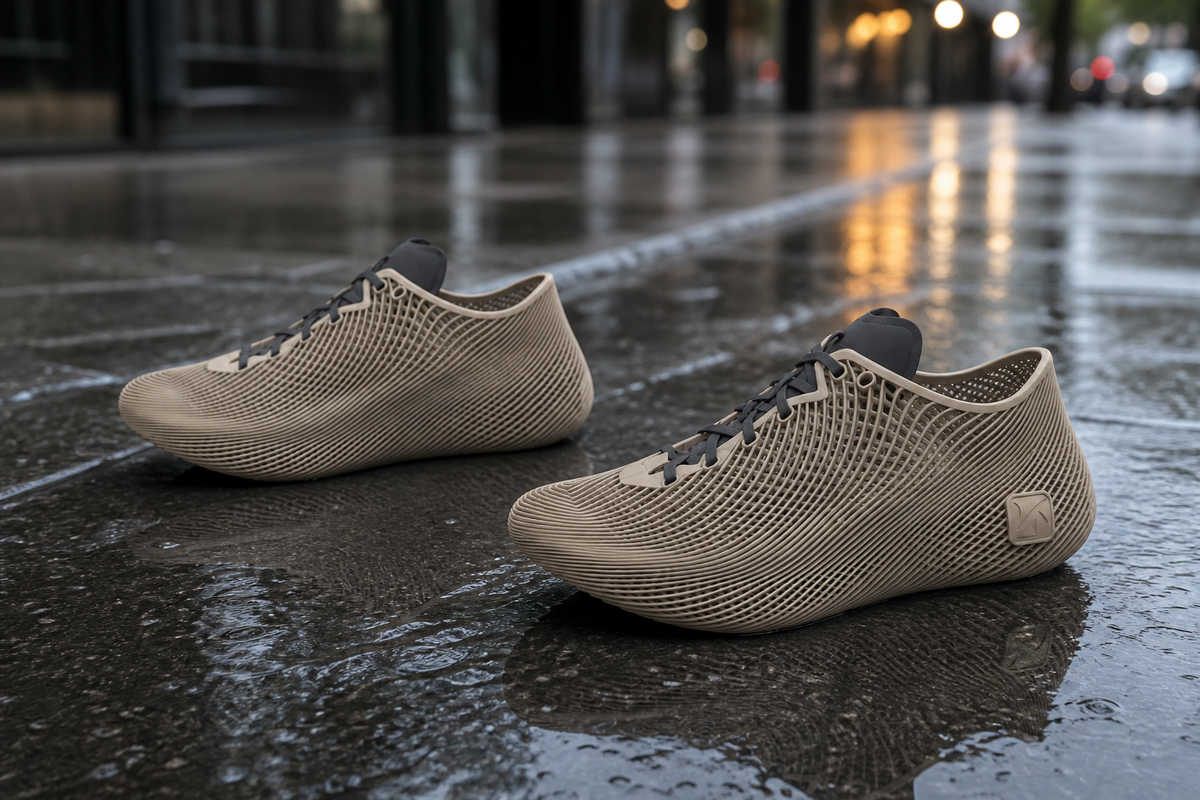
En la era del "Lujo Silencioso", el verdadero lujo no se trata solo del minimalismo visual; se trata de un rendimiento duradero. Hicimos un seguimiento a 50 profesionales urbanos durante sus desplazamientos diarios. Seis meses después, sus ARKKYs conservaron la misma elasticidad y soporte que el primer día.

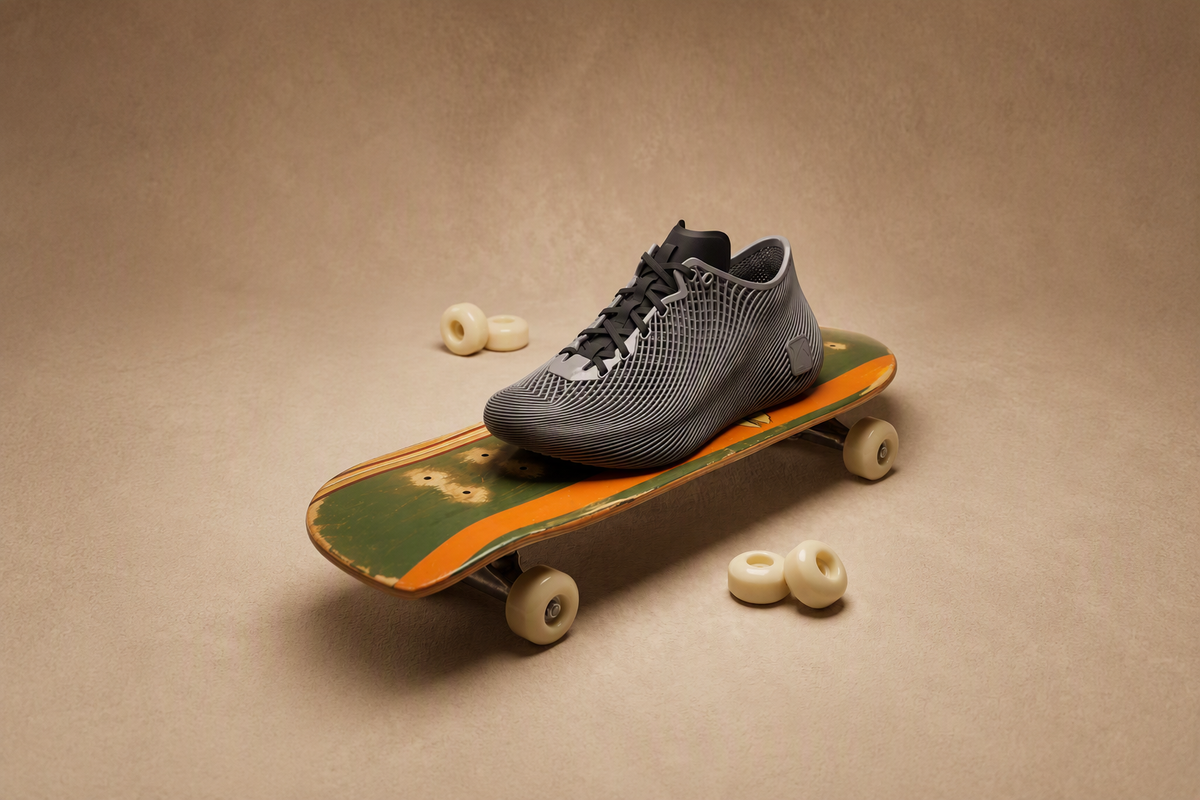
ARKKY se niega a ser un producto "desechable". Creamos elementos esenciales para el desplazamiento urbano moderno diseñados para acompañarte por cada rincón de la ciudad, año tras año.
Preguntas Frecuentes (FAQ)
P: ¿La celosía abierta atrapa la suciedad y el barro? R: ARKKY utiliza un revestimiento de polímero autolimpiante. Los huecos de la celosía están calculados para evitar la entrada de residuos grandes. Se pueden enjuagar directamente con agua, y como el TPU no es absorbente, se secan 5 veces más rápido que la espuma tradicional.
P: ¿Es la sensación de alto rebote adecuada para todos? R: Nuestra celosía está diseñada paramétricamente
Explora la Colección ARKKY Performance — Diseñada para Durar
Compartir:
Arkky lanza los zapatos impresos en 3D CozLite 90 y CozLite 305
Las zapatillas ARKKY impresas en 3D debutan en la revista japonesa de estilo de vida 《懸賞なび》