

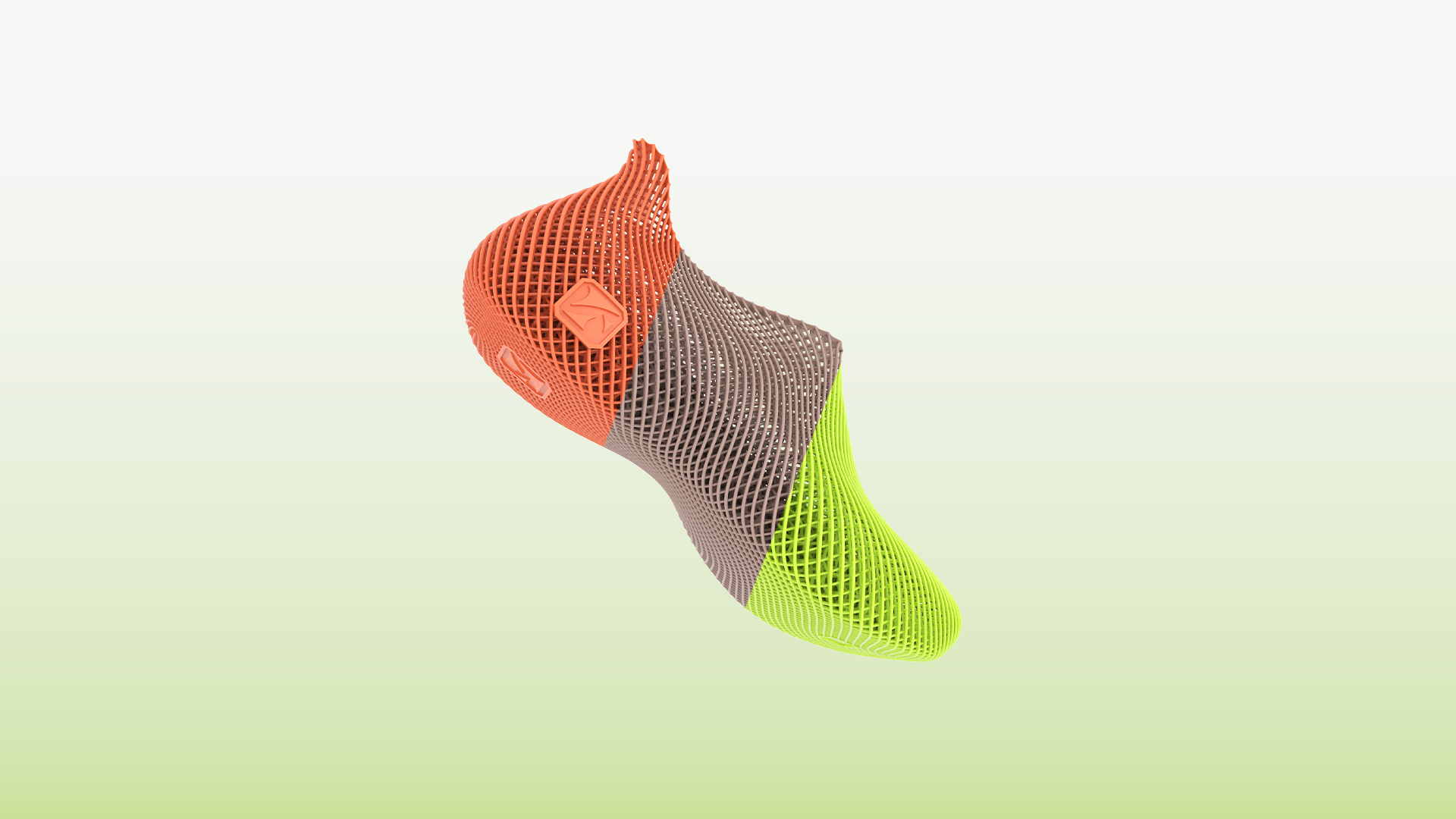
Con el rápido desarrollo de la ciencia de los materiales y la tecnología de fabricación, las zapatillas impresas en 3D han pasado de ser prototipos de laboratorio a estar presentes en el mercado comercial. Las zapatillas casuales impresas en 3D son ahora, y seguirán siendo, la mejor opción de calzado para usar sin calcetines. Con la transpirabilidad extrema que aportan las estructuras reticulares, la naturaleza respetuosa con la piel de los materiales poliméricos y el ajuste sin costuras que permite la personalización digital, las zapatillas impresas en 3D ofrecen ventajas para resolver los puntos problemáticos del uso descalzo que la fabricación de calzado tradicional simplemente no puede igualar.
El uso de zapatos sin calcetines (uso descalzo) tiene una amplia demanda en el mercado en la vida diaria, desde paseos ligeros de verano hasta declaraciones de moda que enfatizan la individualidad. Sin embargo, la fabricación tradicional de calzado a menudo enfrenta dos desafíos importantes en escenarios de uso descalzo: primero, un drenaje deficiente del sudor, lo que provoca calor, humedad y olor; segundo, la fricción directa entre las costuras dentro de la parte superior y la piel, lo que causa rozaduras e incomodidad. La introducción de la tecnología de impresión 3D proporciona una solución sistemática a estos problemas.
Una revolución en la estructura física: transpirabilidad extrema y prevención de olores
Las zapatillas deportivas tradicionales dependen principalmente de microporos o mallas en la parte superior para la ventilación. Sin embargo, cuando se usan sin calcetines, la humedad producida por las glándulas sudoríparas de los pies es fácilmente absorbida por la espuma o la tela del forro, creando un ambiente ideal para el crecimiento bacteriano.

Ventilación de 360 grados habilitada por estructuras reticulares
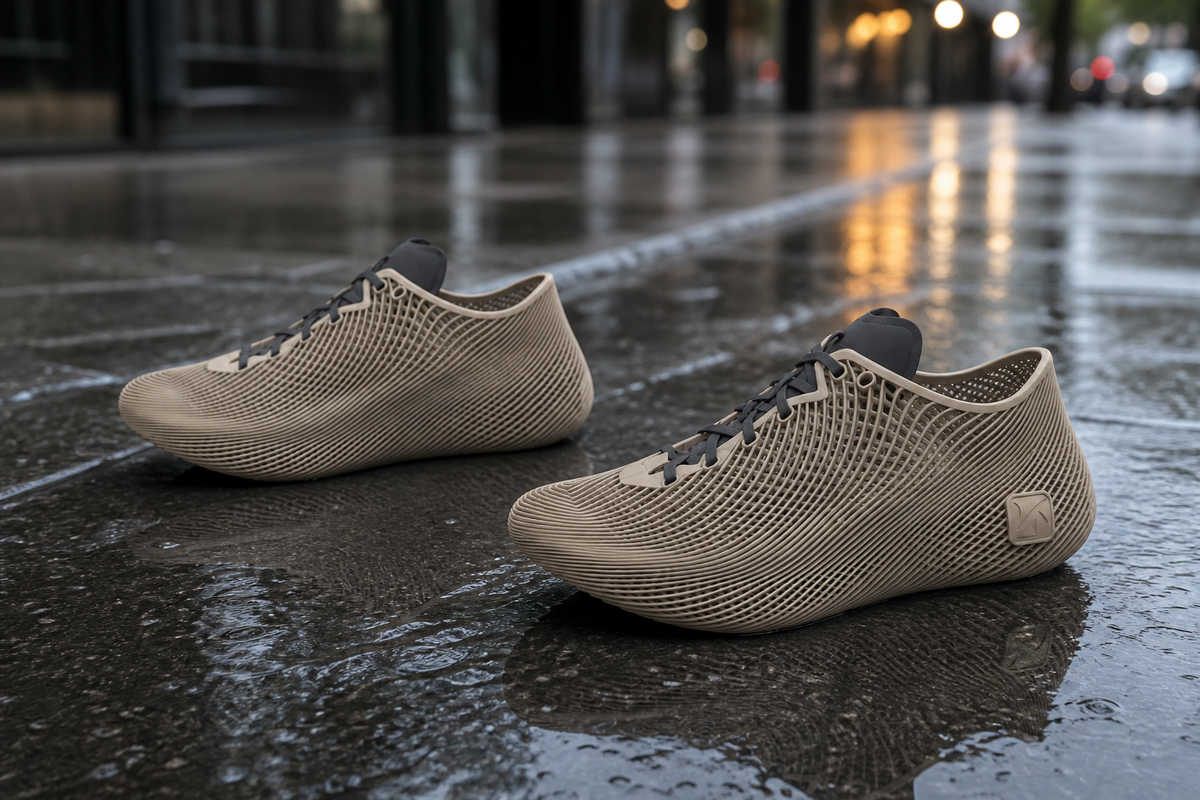
A través de complejas estructuras reticulares geométricas, las zapatillas impresas en 3D logran una relación de vaciado que la fabricación tradicional de calzado no puede alcanzar. Por ejemplo, algunas zapatillas casuales impresas en 3D pueden alcanzar una relación de vaciado de hasta el 96%. Esta estructura física totalmente abierta permite que el aire fluya libremente entre la suela, los lados del pie y el empeine. Cuando los usuarios las usan descalzos, el calor y la humedad generados por los pies pueden liberarse rápidamente, manteniendo la superficie de la piel seca y destruyendo fundamentalmente las condiciones físicas requeridas para el crecimiento bacteriano.

Materiales no absorbentes y fácil mantenimiento
Los zapatos impresos en 3D suelen estar fabricados con elastómeros poliméricos como el TPU (poliuretano termoplástico). Estos materiales no absorben el sudor ni el agua. Esto significa que, incluso después de hacer ejercicio, el sudor no dejará manchas u olores difíciles de eliminar como ocurre en las palas de tela tradicionales. Al mismo tiempo, la estructura moldeada de una sola pieza permite lavar el par de zapatos con agua en cualquier momento y secarlos rápidamente, mejorando enormemente la higiene.

La integración de materiales y artesanía: resolviendo los problemas de fricción y rozamiento del pie
El roce del pie es la experiencia negativa más común al usar zapatos descalzos. Su causa raíz radica en la superposición de múltiples materiales, el endurecimiento del pegamento y las costuras elevadas que se encuentran en la fabricación tradicional de calzado.
Las ventajas del moldeo sin costuras de una sola pieza
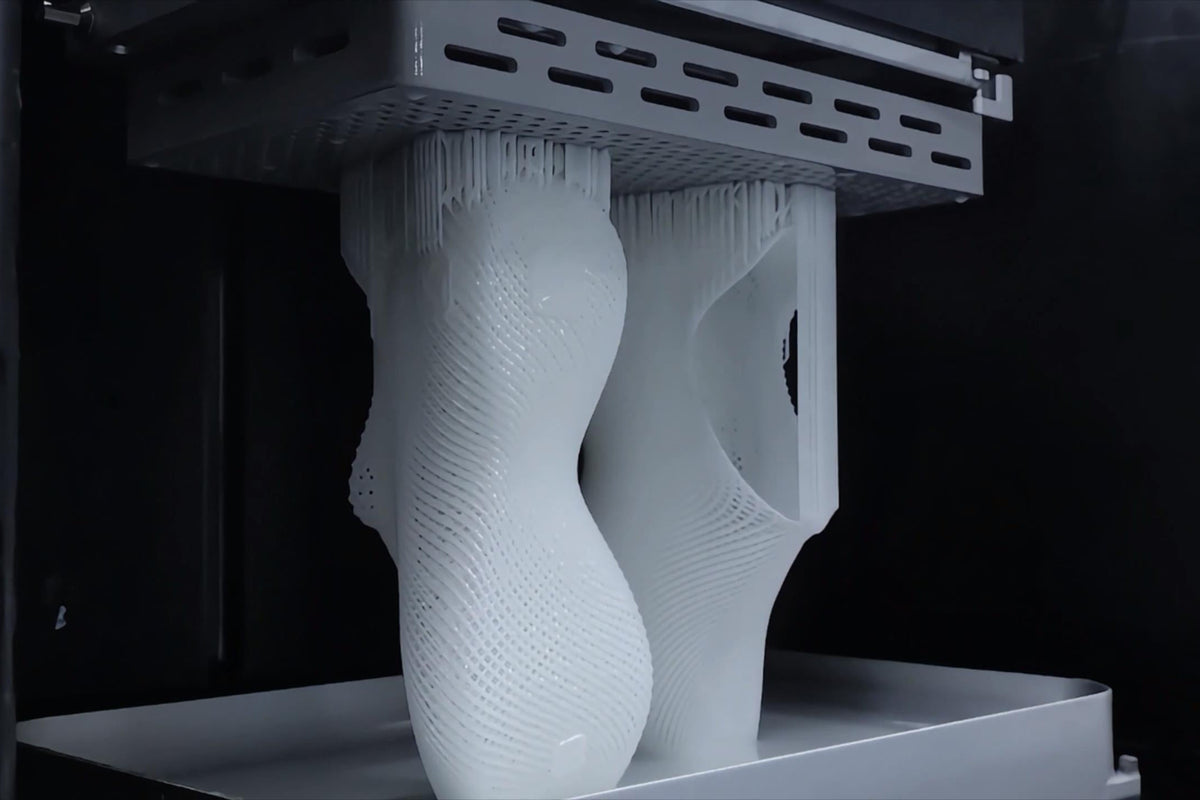
La tecnología de impresión 3D hace posible la verdadera integración de la parte superior y la suela. Mediante la fabricación aditiva, las costuras, capas y uniones dentro del zapato se eliminan por completo, eliminando los puntos físicos de fricción. Este espacio interior liso y continuo proporciona una superficie de contacto suave para la piel, de modo que, al usarlo descalzo, ya no existe la misma preocupación por ampollas o rozaduras.
Aun así, debido a que la mayoría de las personas usan zapatillas casuales impresas en 3D por primera vez, todavía necesitan de una a dos semanas para acostumbrarse a este tipo de calzado completamente nuevo. Al principio, la deformación por presión de la estructura de celosía puede crear una ligera sensación de tirón en los pies, pero después de unos días, se adaptará por completo e incluso podrá comenzar a disfrutar de esta experiencia de uso única.

Dureza de material programable
Al ajustar el grosor de la pared y la densidad de la red mediante algoritmos, los zapatos impresos en 3D pueden crear diferentes propiedades mecánicas locales dentro del mismo material. Por ejemplo, pueden proporcionar un soporte suave y elástico en áreas de alto impacto como el talón, mientras ofrecen firmeza estructural en el área del arco. Esta retroalimentación mecánica precisa permite a los usuarios disfrutar de una sensación bajo los pies más cercana y de mayor soporte que los materiales de amortiguación tradicionales, incluso sin calcetines. En los zapatos tradicionales, el material de la suela proporciona el mismo nivel de soporte y rebote independientemente del tamaño. En contraste, las zapatillas deportivas impresas en 3D varían la estructura de soporte de la red según el tamaño, por lo que pueden adaptarse mejor al peso corporal asociado con diferentes tallas de calzado y ofrecer un soporte, rebote y amortiguación más precisos.

Personalización digital: un ajuste perfecto para las formas individuales del pie
Las características del pie de cada persona, como la altura del arco y el ancho del pie, son únicas. El mayor atractivo de las zapatillas impresas en 3D radica en su profunda integración con la tecnología de escaneo 3D del pie.
Al obtener un modelo digital de los pies del usuario, el lado de producción puede realizar ajustes de diseño altamente específicos. Esta lógica de fabricación a medida garantiza que el espacio interior del zapato se ajuste perfectamente a la piel del pie sin causar presión. Sin la capa protectora de los calcetines, este ajuste espacial perfecto se convierte en la última línea de defensa contra la abrasión de la piel, y también la más fuerte.

Análisis de casos de mercado y viabilidad técnica
Actualmente, las principales marcas deportivas como Adidas, ARKKY, ASICS y PEAK han lanzado productos impresos en 3D maduros. Los comentarios de los usuarios se centran generalmente en dos puntos: "transpirabilidad asombrosa" y "lo suficientemente cómodos como para usarlos descalzos sin presión".
Los productos representativos de impresión 3D incluyen:
Estos productos demuestran el rendimiento sobresaliente de los zapatos impresos en 3D tanto en el uso en el mundo real como en los desplazamientos diarios. Aunque el desafío actual sigue siendo el control de costos para la producción a gran escala, los zapatos impresos en 3D están pasando gradualmente de la personalización de alta gama al mercado masivo a medida que la eficiencia de producción continúa mejorando.

Conclusión
Por lo tanto, las zapatillas impresas en 3D resuelven el problema de la transpirabilidad y la prevención de olores a través de su estructura física completamente hueca, abordan los problemas de fricción y rozamiento del pie mediante el moldeado de una sola pieza, y logran la máxima experiencia de integración entre el ser humano y el calzado a través de la tecnología de personalización. Entre todas las categorías de calzado, las zapatillas impresas en 3D son, sin duda, el mejor soporte tecnológico para el estilo de vida de usar zapatos sin calcetines. A medida que la ciencia de los materiales continúa avanzando, el calzado del futuro ya no será una carga para los pies, sino una extensión de la piel.
Compartir:
¿Vale la pena comprar zapatos impresos en 3D?
Techwear 101: El plano moderno para diseñar zapatos de celosía impresos en 3D