

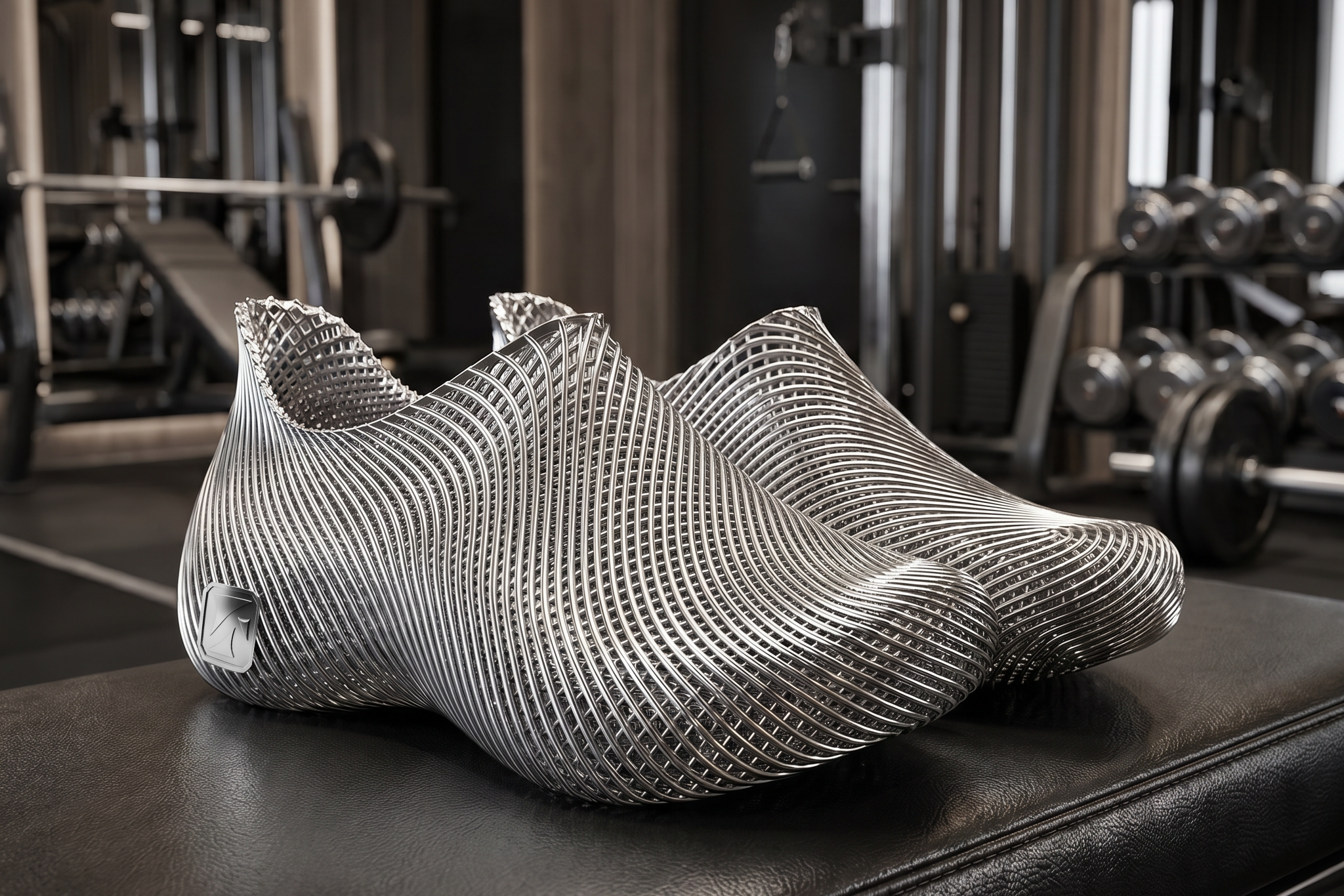
هل لاحظت يومًا أن زوج الأحذية الرياضية المفضل لديك يبدو وكأنه "غيوم" لأول 100 ميل، ولكن بعد 3 إلى 6 أشهر فقط، تختفي تلك الاستجابة المطاطية، ويحل محلها إحساس جامد وميت؟
الأمر ليس من وحي خيالك. إنه الحد المادي لـ "قلب" الحذاء الرياضي - النعل الأوسط المصنوع من إسفنج EVA. اليوم، يُصدر مختبر ARKKY للأداء بيانات قوية حول متانة الأحذية الرياضية المطبوعة ثلاثية الأبعاد، معلنًا الحرب على نقطة ألم ابتليت بها صناعة الأحذية لعقود.
"تاريخ انتهاء الصلاحية الخفي" للرغوة التقليدية: لماذا تصبح أحذيتك صلبة؟
تستخدم معظم الأحذية الرياضية إسفنج EVA (أسيتات الإيثيلين فينيل) أو PEBA. تحت المجهر، تتكون هذه المواد من ملايين الفقاعات الهوائية الصغيرة ذات الخلايا المغلقة.
نقطة الألم: في كل مرة تهبط فيها قدمك، تنضغط هذه الفقاعات. ووفقًا لبيانات من مجلات علوم وهندسة المواد، فإن إسفنج EVA يتعرض لـ "تصلب دائم" (انهيار الخلية) بعد حوالي 300,000 دورة. بالنسبة للمحترف العصري الذي يمشي 10,000 خطوة يوميًا، فإن "العصر الذهبي" لأداء الحذاء يستمر من 30 إلى 50 يومًا فقط.

رؤية الخبير: "تحلل الرغوة لا رجعة فيه. بمجرد ظهور تجاعيد دائمة في النعل الأوسط، تنخفض قدرته على امتصاص الصدمات بأكثر من 40%. هذا لا يقضي على الراحة فحسب؛ بل يزيد من خطر الإصابات المتعلقة بالصدمات في الركبتين والكاحلين." — الدكتور ماركوس تشين، مهندس ميكانيكي حيوي
بيانات مختبر ARKKY: الحقيقة بعد 1,000,000 ضغطة
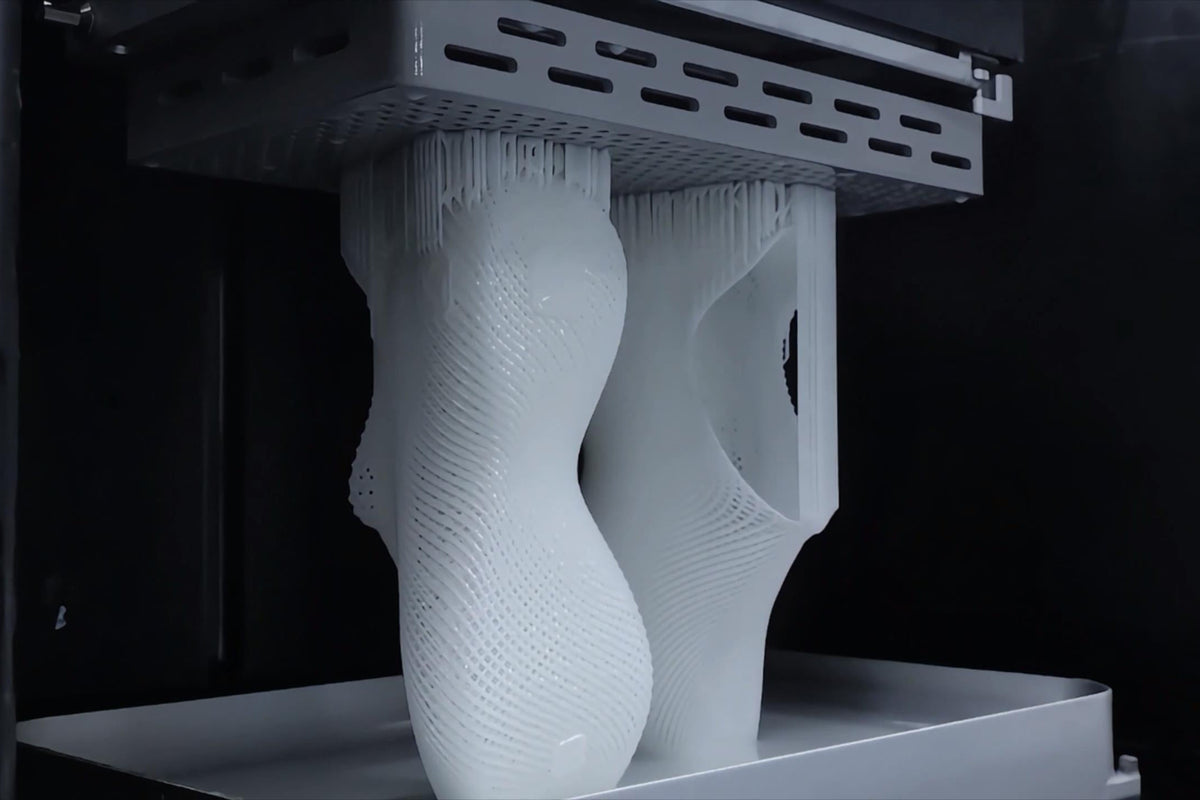
لحل مشكلة "تدهور الأداء"، ابتعدت ARKKY عن الرغوة ذات الخلايا المغلقة واتجهت نحو تقنية الشبكة المطبوعة ثلاثية الأبعاد من مادة TPU. أجرينا اختبار إجهاد شديد:
- الخاضعون للاختبار: نعل ARKKY الشبكي من مادة TPU مقابل نعل إسفنجي EVA من علامة تجارية رائدة.
- شدة الضغط: محاكاة تأثير قفز مستمر لشخص بالغ يزن 85 كجم.
- عدد الدورات: 1,000,000 مرة (أي ما يعادل أكثر من 3 سنوات من الاستخدام اليومي المكثف).
النتائج:
- معدل الارتداد: انخفض ارتداد إسفنج EVA التقليدي إلى أقل من 60% بعد 200,000 دورة. حافظت شبكة TPU من ARKKY على معدل ارتداد 95% حتى بعد 1,000,000 ضغطة.
- فقدان الارتفاع: فقد نعل EVA الأوسط متوسط 4.2 مم من الارتفاع (انهيار مرئي). كان انحراف ارتفاع ARKKY 0.3 مم فقط — لا يمكن تمييزه عمليًا عن الجديد تمامًا.

لماذا لا تتعب شبكة TPU أبدًا؟
السر يكمن في بُعدين: المادة والشكل الهندسي.
- الذاكرة الجزيئية لمادة TPU: على عكس مادة EVA، تعتبر مادة TPU (البولي يوريثان اللدن بالحرارة) لدنة مطاطية عالية الأداء. تتصرف أكثر مثل المطاط، وتمتلك ذاكرة جزيئية مذهلة. بغض النظر عن عدد مرات ضغطها، تعود السلاسل الجزيئية إلى وضعها الأصلي.
- الشكل الهندسي ذو الخلايا المفتوحة: شبكتنا ليست محكمة الإغلاق؛ إنها شبكة محسوبة من الدعامات الهندسية. تتوزع طاقة الصدمة بالتساوي عبر كل عقدة من الهيكل بدلاً من أن تُحبس وتُنفجر في النهاية مثل فقاعات الإسفنج.
لا تتعلق هذه التقنية بالملمس فحسب؛ بل هي ركيزة من الموضة المستدامة. يدوم حذاء ARKKY 3 أضعاف مدة الأحذية التقليدية، مما يعني عددًا أقل من الأحذية في مكبات النفايات ورحلة أطول لك.
مقارنة واقعية: طازج بعد 6 أشهر
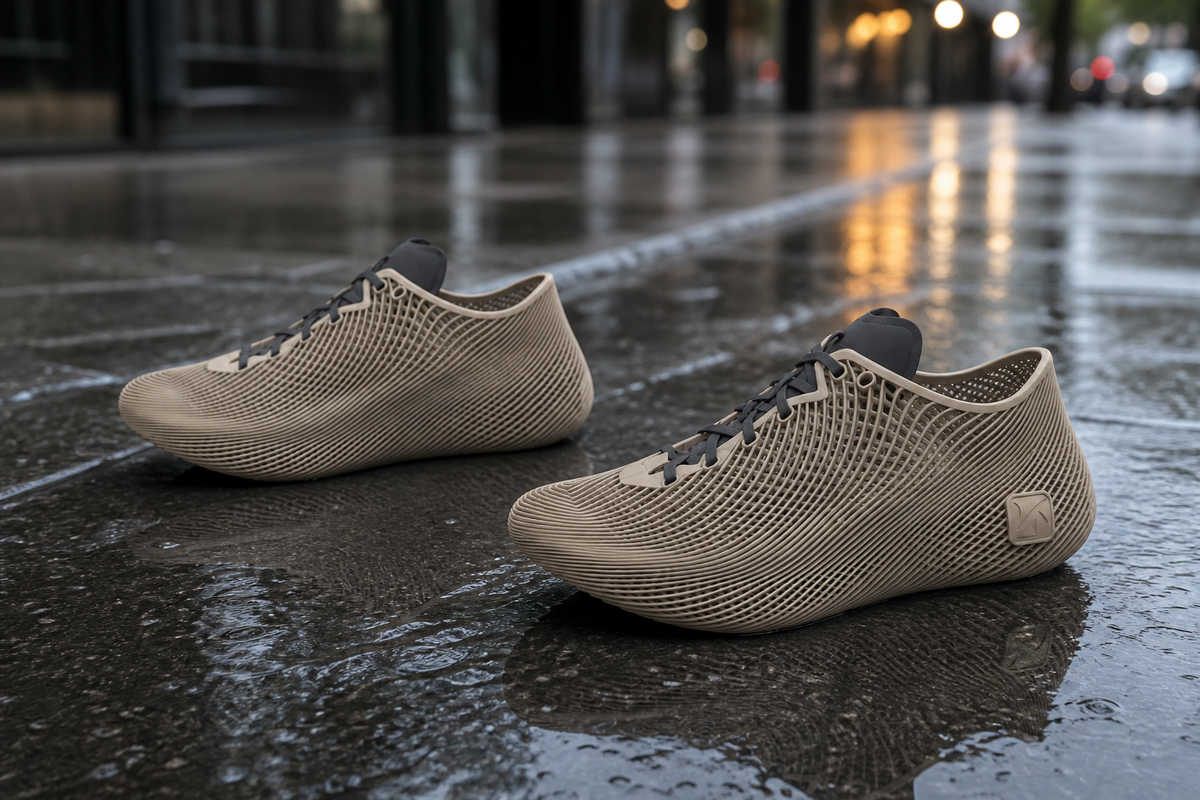
في عصر "الرفاهية الهادئة"، لا تتعلق الرفاهية الحقيقية بالحد الأدنى المرئي فحسب؛ بل بالأداء الدائم. تتبعنا 50 من المهنيين الحضريين خلال تنقلاتهم اليومية. بعد ستة أشهر، حافظت أحذيتهم من ARKKY على نفس المرونة والدعم كما في اليوم الأول.

ترفض ARKKY أن تكون منتجًا "قابلًا للتصرف". نحن نصنع أساسيات التنقل العصري المصممة لمرافقتك في كل زاوية من زوايا المدينة، عامًا بعد عام.
الأسئلة الشائعة (FAQ)
س: هل تجذب الشبكة المفتوحة الأوساخ والطين؟ ج: تستخدم ARKKY طلاءً بوليمريًا ذاتي التنظيف. يتم حساب فجوات الشبكة لمنع دخول الحطام الكبير. يمكن شطفها بالماء مباشرة، وبما أن مادة TPU غير ماصة، فإنها تجف أسرع 5 مرات من الرغوة التقليدية.
س: هل الإحساس بالارتداد العالي مناسب للجميع؟ ج: تم تصميم شبكتنا بطريقة بارامترية
يشارك:
آركي تطلق حذاءي CozLite 90 و CozLite 305 المطبوعين ثلاثي الأبعاد
أحذية ARKKY المطبوعة ثلاثية الأبعاد تظهر لأول مرة في مجلة أسلوب الحياة اليابانية "كِنسون نابي"