

Breathable Sneakers refer to shoes made with high-porosity materials and special ventilation structure designs, designed to promote air circulation and quickly remove moisture inside the shoe. In hot summer weather, or for people with Sweaty Feet, choosing a pair of breathable shoes is essential. It can effectively prevent heat buildup, reduce odor, and lower the risk of blisters. Based on three core ranking standards — Mesh Materials, Airflow Design, and Moisture Control — this article selects the most worthwhile cooling sneakers to buy in 2026.
Quick Answer: Best Breathable Sneakers at a Glance
If you are looking for a quick answer, here are our quick recommendations:
- Best Overall: Nike Zoom Vomero 5
- Best for Sweaty Feet: Allbirds Tree Runners
- Best for Running: Asics Novablast 5
- Best Budget: Bruno Marc KnitFlex Breeze
- Most Innovative: ARKKY AeroDash
How We Selected (Our Selection Criteria)
To ensure the professionalism and trustworthiness of the ranking, our team carried out the following evaluation process:
- Materials Check: Analyze Mesh Density and Knit Type, giving priority to single-layer or engineered mesh.
- Ventilation Performance: Use laboratory Smoke Test evaluation to measure airflow efficiency.
- Real-world Wear: Conduct long-distance walking tests in high-temperature environments above 35°C.
- User Feedback: Combine real reviews from thousands of sports enthusiasts on odor control and sweat-wicking performance.
Please remember: true breathability does not only mean using mesh materials, but also includes efficient Airflow Design and excellent Moisture Behavior.
Best Breathable Sneakers (2026 Core Ranking)
#1 Best Overall – Nike Zoom Vomero 5
- Why It’s Breathable: Uses an ultra-thin engineered mesh upper with the iconic side open-frame support, allowing airflow to enter directly into the shoe from multiple angles. It received a full 5/5 rating in laboratory ventilation testing.
- Best For: Daily wear and long-distance walking in summer.
- Pros: Extreme airflow circulation, 2000s retro aesthetics, excellent cushioning comfort.
- Cons: The mesh material has slightly weaker abrasion resistance and does not support heavy running stability.

#2 Best for Performance – Asics Novablast 5
- Why It’s Breathable: Compared with the previous generation, Novablast 5 upgrades to a thinner perforated tongue and high-density sweat-wicking mesh. The toe box is spacious, helping hot and cold air exchange.
- Best For: Running training in hot summer weather.
- Pros: Springy underfoot feel and a wide forefoot circulation area.
- Cons: Stability is slightly weaker than flagship support series.

#3 Best for Racing – Brooks Hyperion Elite 5
- Why It’s Breathable: The upper is extremely thin and has large ventilation holes. It is one of the most breathable carbon-plated racing shoes currently available.
- Best For: Summer marathons or racing events.
- Pros: Extremely lightweight and highly responsive.
- Cons: Expensive and not stable enough for heel strikers.
#4 Best Lightweight – Nike Ava Rover
- Why It’s Breathable: Uses ReactX foam and a minimalist breathable upper. The overall weight is 25.9% lighter than average, greatly reducing heat generated during movement.
- Best For: Summer sports that require an extremely lightweight feel.
- Pros: Strong grip and quick rebound.
- Cons: Weak arch support.
#5 Best Budget Option – Bruno Marc KnitFlex Breeze
- Why It’s Breathable: Uses elastic KnitFlex knit technology, with breathable windows across the upper to keep feet cool throughout the day.
- Best For: Budget-friendly daily casual wear and short-distance walking.
- Pros: Very high cost performance and easy to slip on and off.
- Cons: Only suitable for light activities.
#6 Most Innovative – ARKKY AeroDash
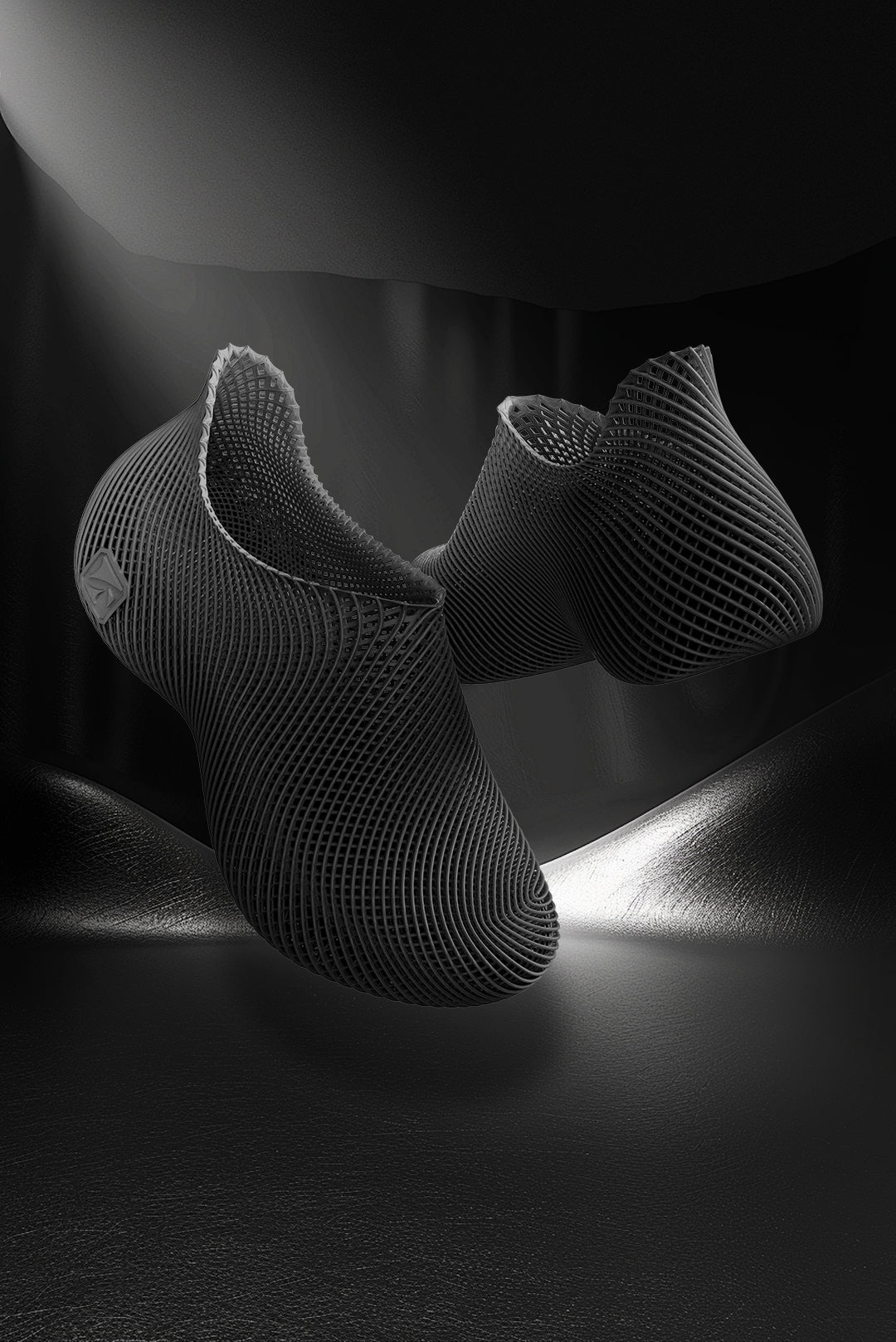
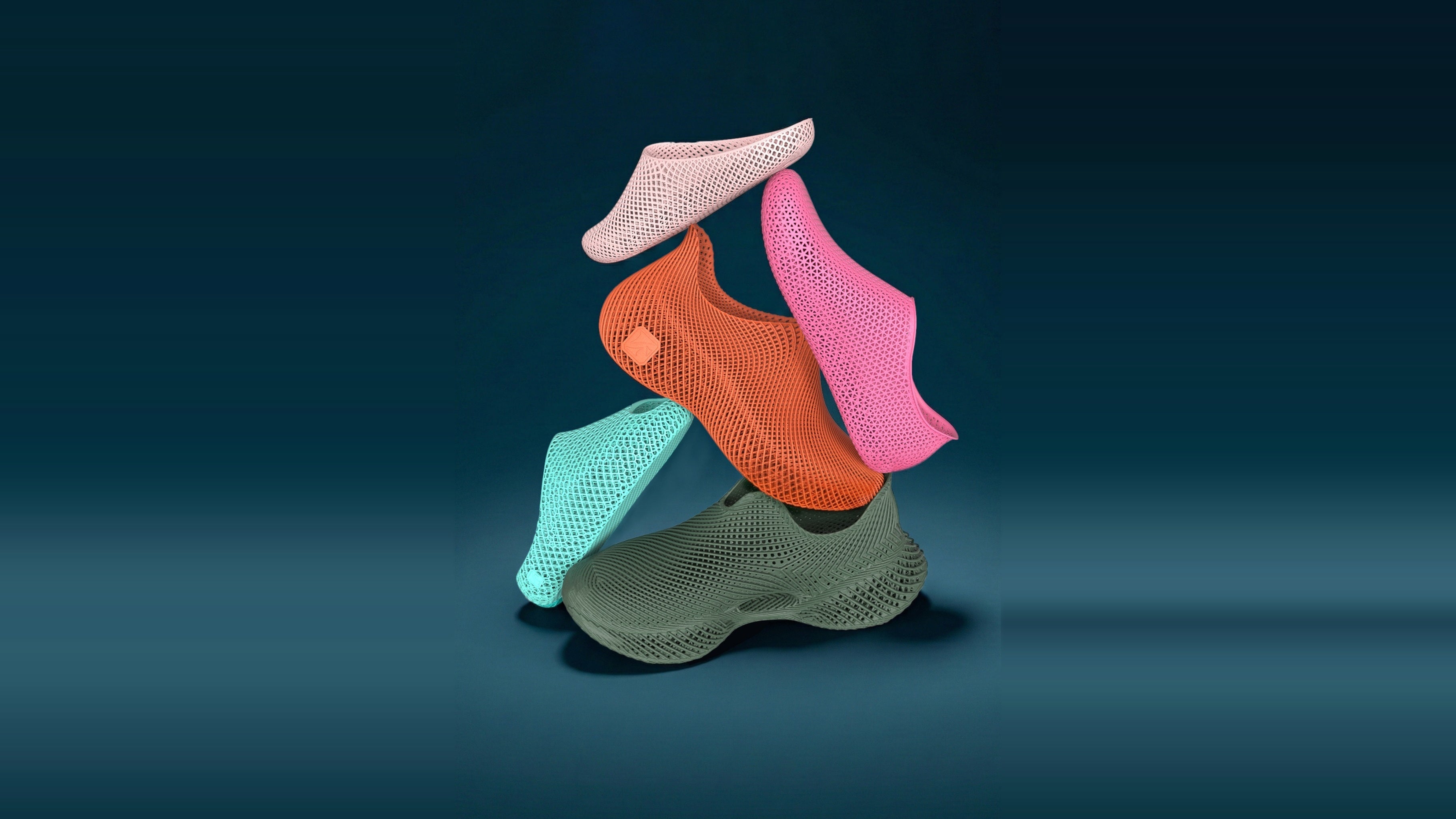
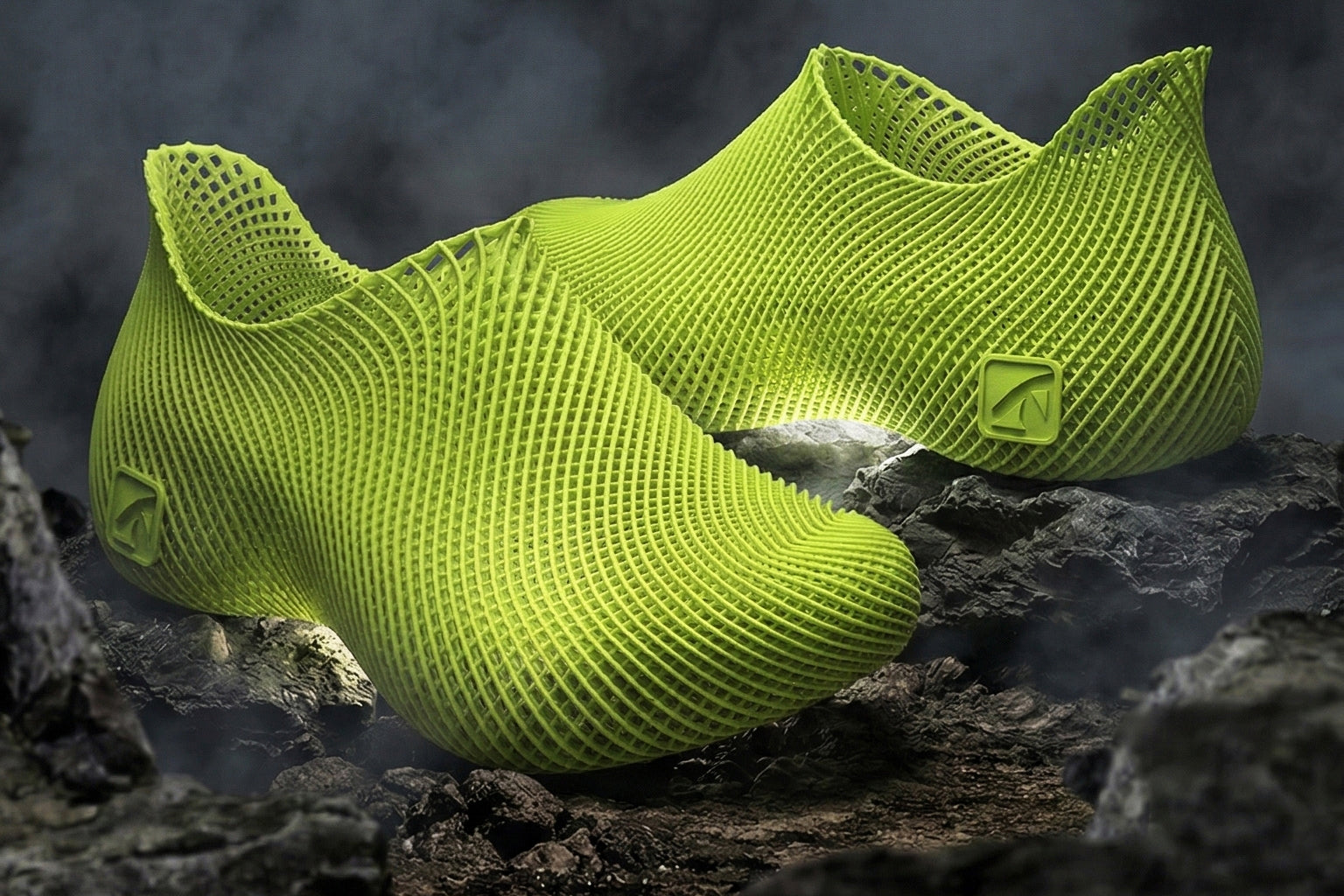
- Why It’s Breathable: Uses a one-piece 3D printed hollow lattice structure, forming large airflow channels to help keep feet dry and breathable.
- Best For: People seeking futuristic design, daily commuting, light outdoor activities, and those with sweaty feet.
- Pros: One-piece 3D printed construction, strong breathability, unique appearance, lightweight comfort.
- Cons: The design style is more avant-garde and may not suit people who prefer traditional sneaker aesthetics.

Best Shoes by Category
- Best for Sweaty Feet: Allbirds Tree Runners (Made with eucalyptus fiber, naturally moisture-wicking and odor resistant.)
- Best for All-Day Walking: Diadora Nucleo 2 (Stable and breathable, suitable for long commuting.)
- Best Premium Choice: Adidas Boston 13 (Uses an unlined upper design to prevent heat retention.)
- Most Fashion-Forward Choice: ARKKY 3D Printed Sneakers (Made with advanced printing technology, one-piece construction, full crystal lattice structure, and breathable outsole.)
What Makes a Sneaker Breathable?
The breathability of sneakers is mainly determined by the following factors:
- Mesh vs Knit: Mesh is usually woven from synthetic fibers, with clearer openings and faster ventilation; Knit offers a closer fit, but requires special density engineering.
- Perforation: Physical ventilation holes are added in key heat zones such as the toe box and sidewalls through laser-cut technology.
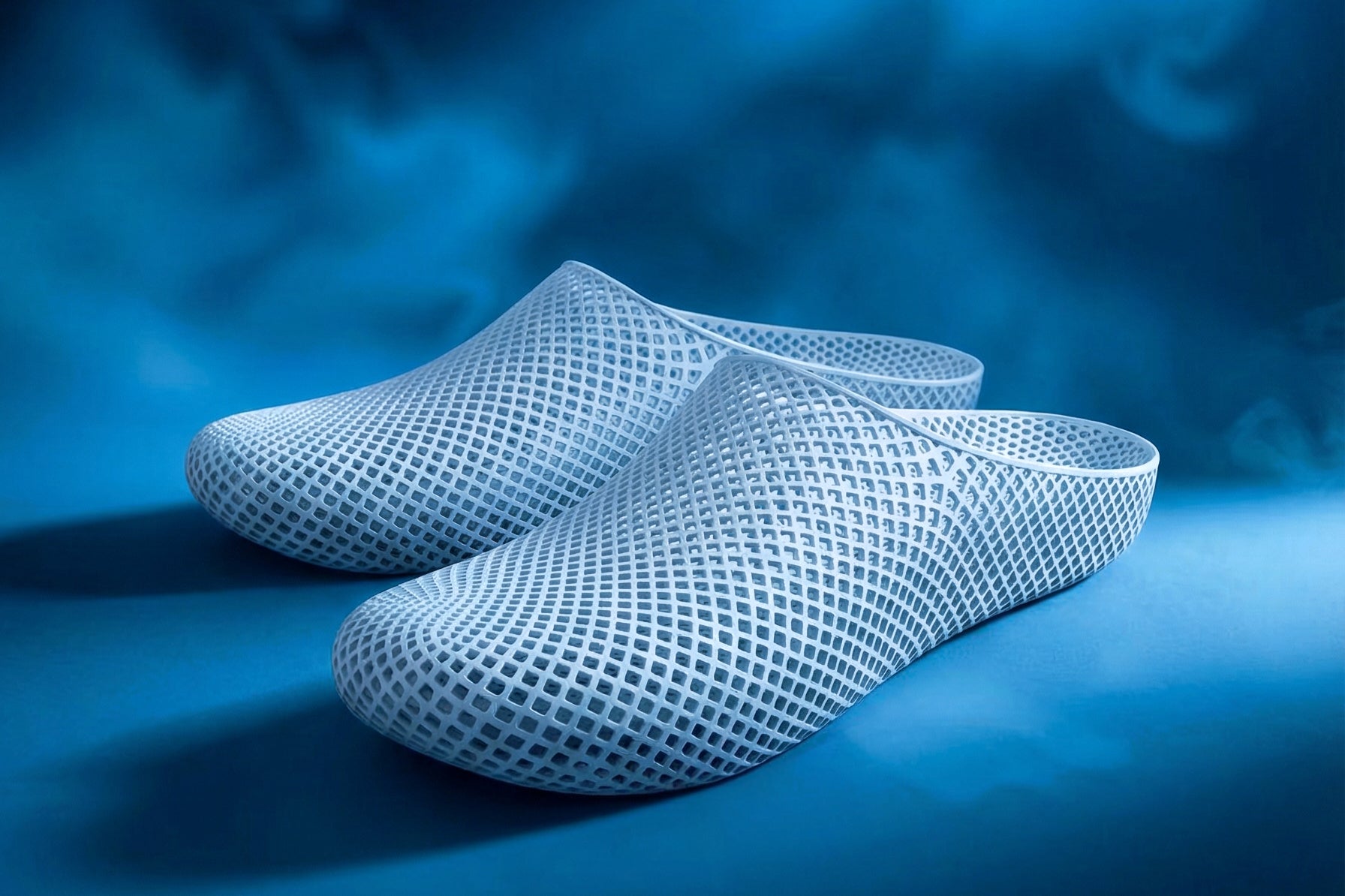
- TPU Lattice Structures: A frontier technology in 2026. For example, 3D printed TPU midsoles or support structures use open honeycomb geometry that allows air to pass through the sole directly, greatly improving underfoot Airflow.
Best Materials for Breathability
- Engineered Mesh: Currently the most mainstream material, balancing strength and ventilation.
- Flyknit / Knit Upper: One-piece construction reduces seams where heat can build up.
- TPU Lattice: The future of structural ventilation, with oversized openings creating all-direction heat dissipation channels.
- Foam Density: Lower-density foams contain more air micro-pores, reducing heat buildup.
Common Mistakes When Choosing Breathable Shoes
- Assuming mesh always means breathable: Some mesh shoes use thick inner linings, which can actually trap more heat.
- Ignoring humidity: In high-humidity climates, moisture-wicking performance can matter more than hole size alone.
- Choosing overly soft cushioning: Extremely soft foams can wrap more of the foot under compression, reducing cooling space.
- Ignoring sock material: If wearing pure cotton socks, even breathable shoes cannot solve moisture problems. Sweat-wicking socks are recommended.
Breathable Sneakers vs Regular Sneakers
| Feature | Breathable Sneakers | Regular Sneakers |
|---|---|---|
| Airflow | Very High | Low |
| Hot Weather Comfort | Very High | Moderate |
| Durability | Medium | High |
| Water Resistance | Very Low | Medium / High |
FAQ
Q: Are breathable sneakers good for sweaty feet?
A: Yes, very suitable. They help accelerate sweat evaporation and reduce odor caused by bacterial growth.
Q: Can breathable shoes be worn in the rain?
A: Not recommended. To achieve maximum ventilation, these shoes usually do not have waterproof coatings, so rainwater can penetrate quickly.
Q: What material is the most breathable?
A: In 2026, one of the most advanced solutions is hybrid construction combining TPU lattice structures with single-layer engineered mesh.
Q: Are mesh shoes durable?
A: Breathability and durability often sit at opposite ends of the scale. Highly breathable ultra-thin mesh is generally less durable than thick synthetic leather, but the hot-weather comfort is unmatched.
Final Thoughts
The best breathable sneakers are not simply shoes with mesh uppers. True breathability comes from the combination of material engineering, Airflow Design, Moisture Control, and structural innovation.
Whether you prioritize long summer walks, sweaty feet relief, performance running, or future-forward design, the models above represent some of the best breathable shoes worth considering in 2026.

Compartir:
Best Breathable Shoes for Sweaty Feet: Why 3D Printed Sneakers Actually Work