


Section 01
When Lattice Meets Footwear: Rethinking Shoe Structure
Have you ever considered that the comfort of a pair of shoes may depend not only on the materials but also on the internal structure of the sole?
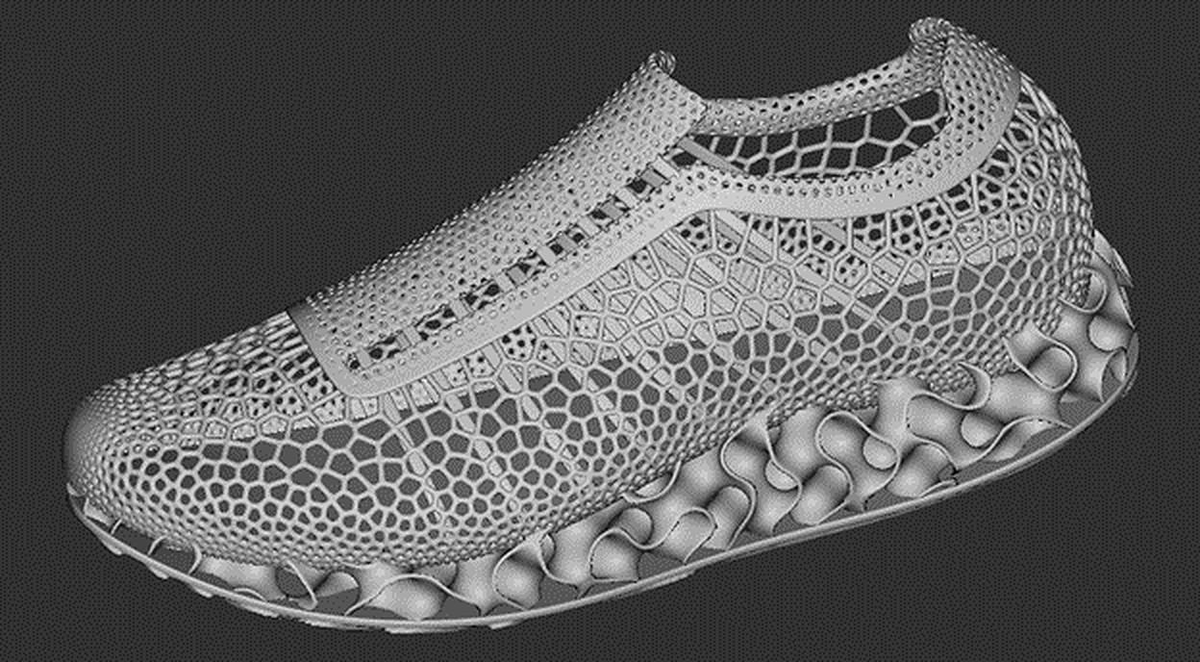
Honeycombs and bones in nature provide inspiration for lightweight structural design. Through specific geometric forms, they achieve structural support within limited spaces. This approach has also extended into modern engineering fields and is gradually being applied to footwear design.
This is the design philosophy behind lattice structures: by arranging and connecting different geometric units, three-dimensional structures with specific forms can be constructed. Designers can adjust the shape, size, and density of these units, allowing the same design concept to present different structural characteristics.

Traditional sole design often relies on the form and performance of the materials themselves, while lattice structures offer designers new options. When combined with 3D printing technology, complex internal constructions can be integrated into footwear, allowing structural design to participate in shaping the wearing experience and visual style of the product.
ARKKY is exploring this direction, rethinking the relationship between sole structure, material selection, and footwear form through the combination of lattice design and 3D printing technology.
Section 02
What Possibilities Can Lattice Design Bring to 3D Printed Footwear?
The value of lattice lies not only in its unique hollow appearance but also in its ability to combine structural design with functional requirements. From cushioning methods to spatial layout and overall form, lattice provides new approaches for footwear design.
2.1 Cushioning and Support: Letting Structure Participate in the Wearing Experience
During walking and movement, the sole needs to cope with impact from the ground. Lattice units can deform under force, and their shape, size, and arrangement affect the structural performance under load, providing new adjustment space for cushioning and support design.

By changing the layout of different geometric units, designers can explore different flexibility and support performance, allowing the internal structure of the sole to participate in product design rather than relying solely on the hardness or softness of the materials themselves.
For ARKKY, the significance of lattice lies precisely in this flexibility of structural design: the sole can be designed around product positioning, creating a closer connection between internal construction and overall shoe form.
2.2 Lightweight and Breathability: Rethinking the Internal Space of Footwear
Footwear design needs to consider the relationship between weight, support, and wearing comfort. Lattice maintains open spaces between geometric units, providing design ideas for reducing unnecessary material filling and allowing more adjustment space for material distribution.
The open structure can also create conditions for air flow. By planning the form and distribution of pores, designers can incorporate ventilation requirements into the overall construction of the footwear.
These design approaches allow the sole to no longer be limited to continuous, dense forms, and also provide space for footwear to achieve a lighter, more transparent visual effect. For 3D printed footwear, the structure itself becomes an important component of the design.
2.3 Zoned Structural Design: Allowing Different Areas to Perform Their Functions
Different positions on the sole bear different tasks. The forefoot needs to adapt to foot movement, the midfoot needs to balance stability, and the heel is closely related to the forces during landing.
Lattice design can explore more targeted structural layouts by adjusting the unit shape, size, and arrangement in different areas. Combined with 3D printing technology, these variations can be integrated into digital models, allowing different parts of the sole to have their own design priorities.

This zoned approach expands the detail dimension of footwear design. Designers can focus on both the overall outline of the sole and consider in depth how different areas work together to form a complete product structure.
2.4 Structure and Aesthetics: Making Function a Design Language
Lattice has no fixed visual form. Different geometric units, arrangement methods, and degrees of openness can form distinctive textures, outlines, and layers.
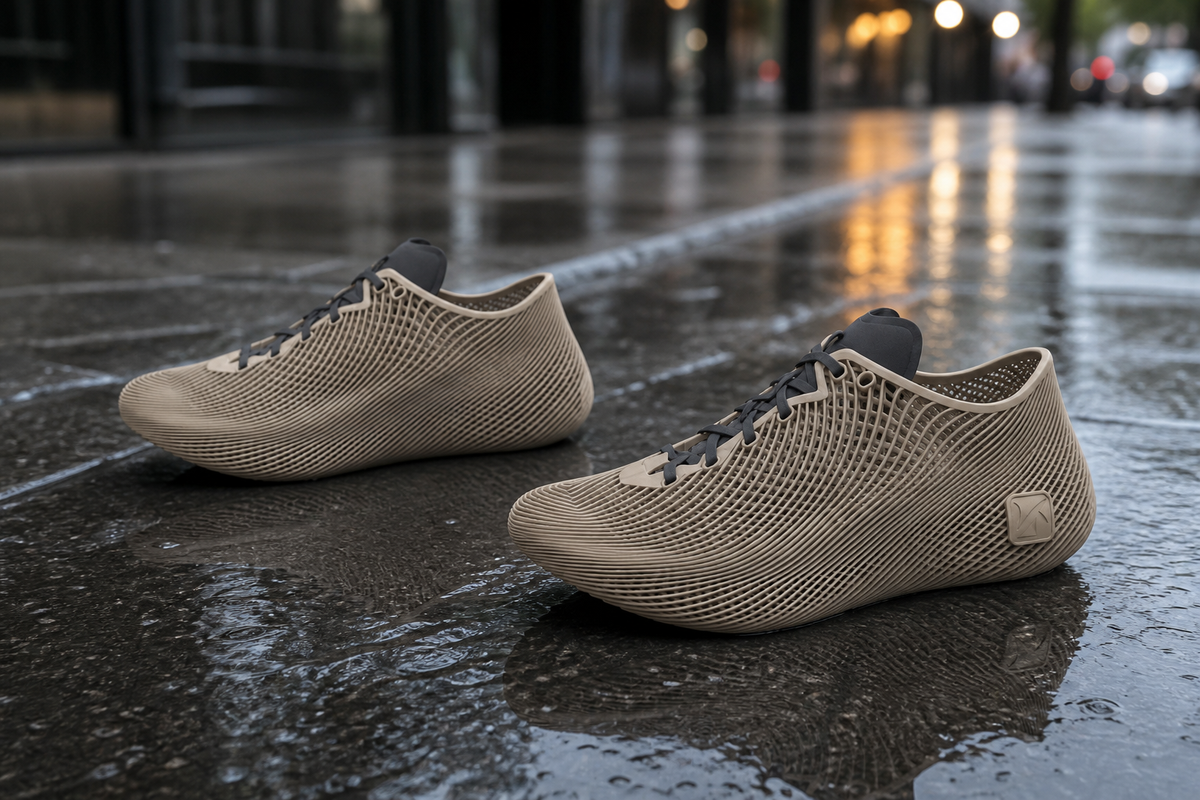
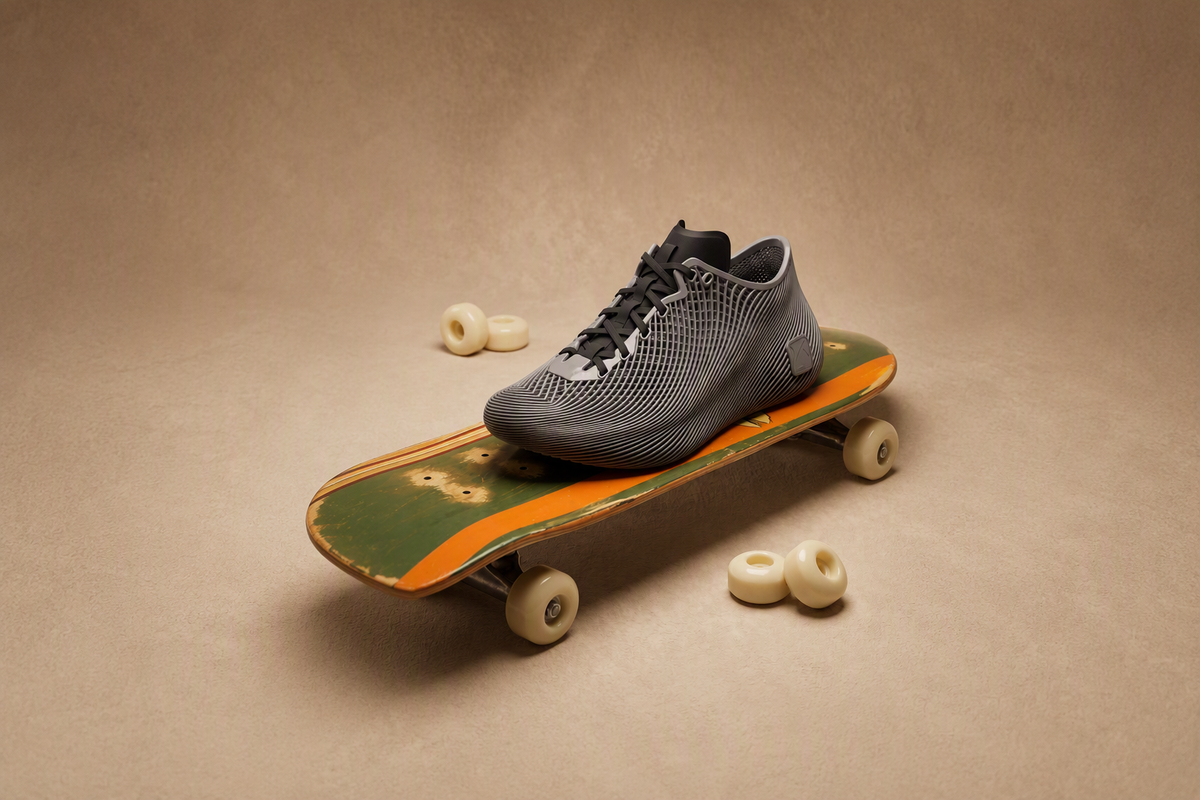
ARKKY's AeroBB is a futuristic 3D printed casual shoe. It integrates lattice structure into the overall appearance, presenting distinctive visual characteristics through sculptural forms.

In such designs, structure is no longer just a technical detail hidden within the sole but also becomes an important element in shaping the footwear's appearance. 3D printing allows complex geometric forms to directly participate in product form, creating more combinations of functional design and visual expression.
Section 03
3D Printing: Bringing Complex Designs to Life
Lattice design provides structural creativity, while 3D printing provides the path to realize these creative ideas.
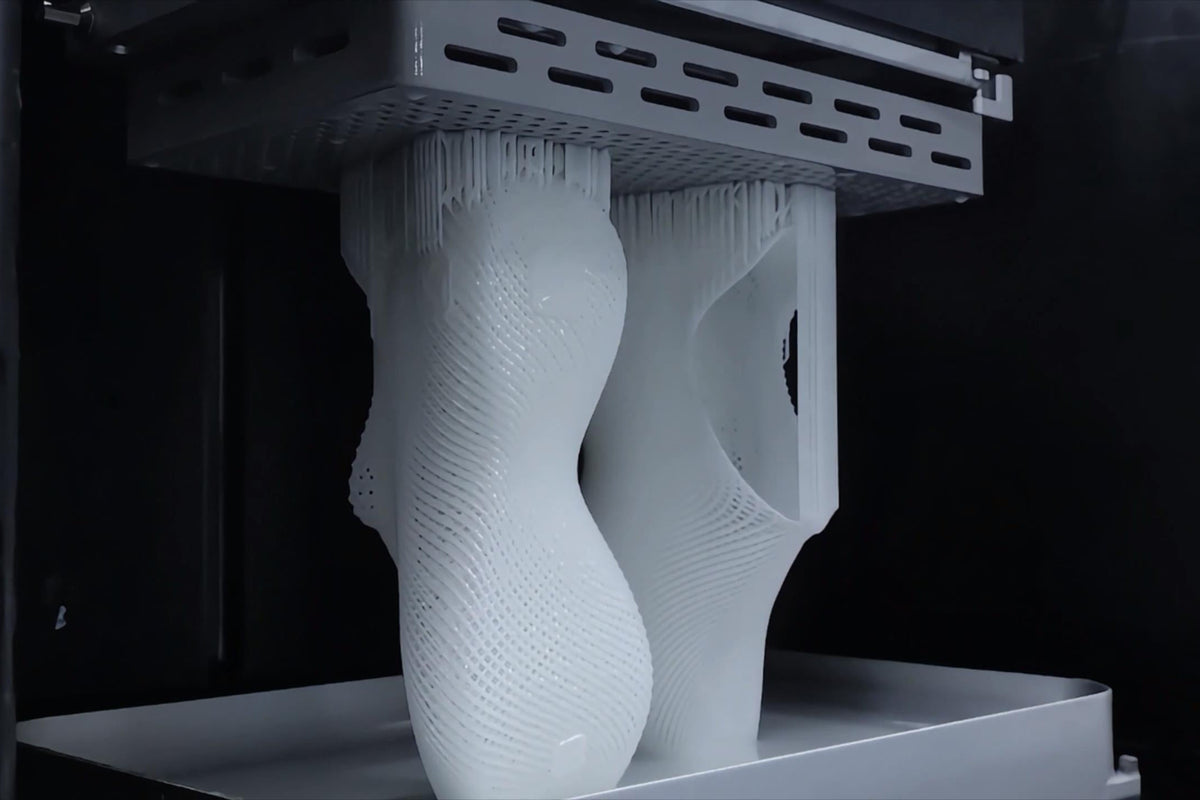
The entire process begins with digital modeling. Designers can plan the overall outline and internal geometric structure of the footwear, and adjust the shape, size, and arrangement of lattice units. After the model is completed, 3D printing equipment builds the product layer by layer according to digital data, transforming complex designs into physical forms.

This manufacturing method provides greater flexibility for the design of internal footwear structures. Whether it's open constructions, layered geometric units, or structural variations between different areas, all can be planned in digital models.
For ARKKY, 3D printing is not only a manufacturing technology for realizing unique forms but also a new tool for continuously exploring footwear structure. Designers can adjust digital models around product positioning, allowing structural solutions to coordinate with overall design.
From digital modeling to physical formation, 3D printing allows the focus of footwear design to delve deeper into internal construction and also creates conditions for lattice structures to be integrated into different types of footwear.
Section 04
ARKKY's Design Exploration: Integrating Technology and Creativity
When lattice structure meets 3D printing, designers can focus on both the internal construction and external form of footwear simultaneously. ARKKY's exploration of this technical direction is also reflected in the design expression of different products.
Sports shoes need to consider structural design around sports scenarios, casual shoes emphasizing visual characteristics can use lattice as a form language, and daily footwear such as slippers each have their own product positioning.
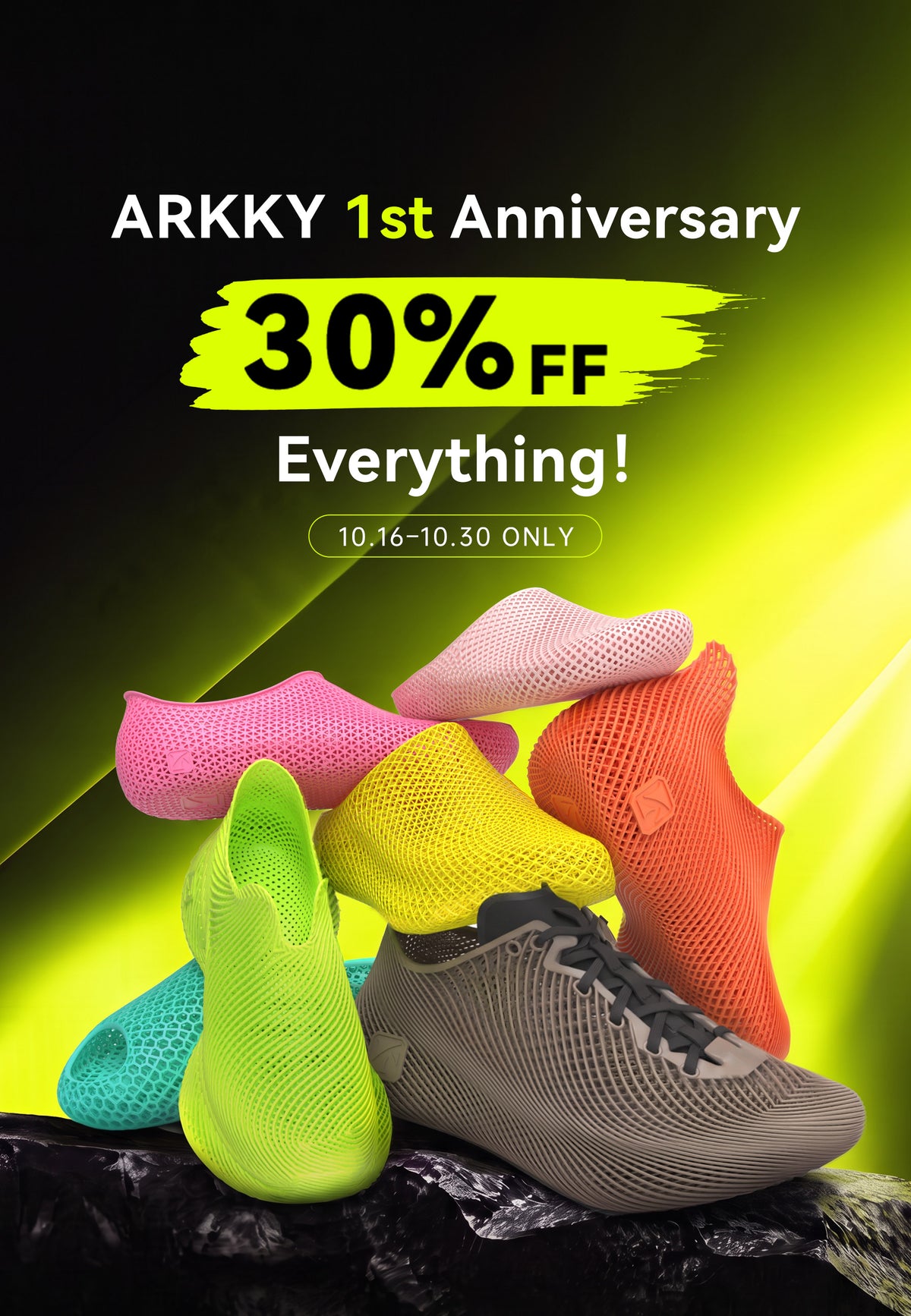
For example, AeroDash integrates lattice cushioning design and drainage structure into 3D printed sports shoes; AeroBB presents lattice aesthetics through sculptural forms; CozLite 305 is a 3D printed slipper featuring open lattice design.
The three products have different positioning but reflect the same design direction: allowing lattice to not be limited to a single shoe type but to form different structural expressions based on product purpose and appearance style.
For ARKKY, the combination of technology and creativity is not only about exploring new forms but also about considering how digital design, structural layout, and specific products can be interconnected.
Section 05
From Structure to Materials: Providing More Expression Space for Design
Lattice determines how structures are arranged and connected, while materials affect the flexibility, rebound performance, and overall characteristics of the structure. The two work together to shape the design direction of 3D printed footwear.
TPU is a noteworthy type of material in 3D printed footwear, with certain elasticity and flexibility, suitable for structural designs that require deformation capability. ARKKY's related material introduction also mentions TPU materials containing 53% bio-based components, providing new exploration directions for footwear material selection.

When TPU is combined with lattice structures, designers can adjust the shape and layout of geometric units around material characteristics, allowing materials and structures to jointly serve product design. Material selection is no longer just an independent consideration in the manufacturing process but is also closely related to sole construction, overall form, and product positioning.
From material characteristics to geometric structure, and finally to final formation, ARKKY's 3D printed footwear exploration reflects the coordination among multiple design factors. Structure provides flexibility in form, materials endow products with different characteristics, and 3D printing connects these design ideas together.
Section 06
Facing the Future: Returning Footwear Design to the Wearing Experience
From structural inspiration in nature to the application of lattice design, and then to the manufacturing methods brought by 3D printing, footwear design is gaining new exploration directions.
Lattice allows designers to think more deeply about the internal construction of the sole, while 3D printing allows complex geometric forms to become part of physical products. At the same time, material selection and product positioning also influence the final design direction.
From AeroDash's sports shoe design to AeroBB's form expression, and then to CozLite 305's daily casual positioning, ARKKY is attempting to integrate lattice structures into different types of footwear, establishing connections between technical exploration and specific products.
For ARKKY, innovation is reflected not only in appearance changes but also in the continuous exploration of structure, materials, and design approaches. Technology ultimately needs to serve products, and good design needs to make visual expression and actual wearing needs resonate with each other.

"At ARKKY, we believe that good footwear design not only lets people see the difference but also lets them feel the difference."
ARKKY
Teilen:
Warum wir 3D-gedruckte Schuhe von Maßanfertigungen zu Alltagskleidung gemacht haben